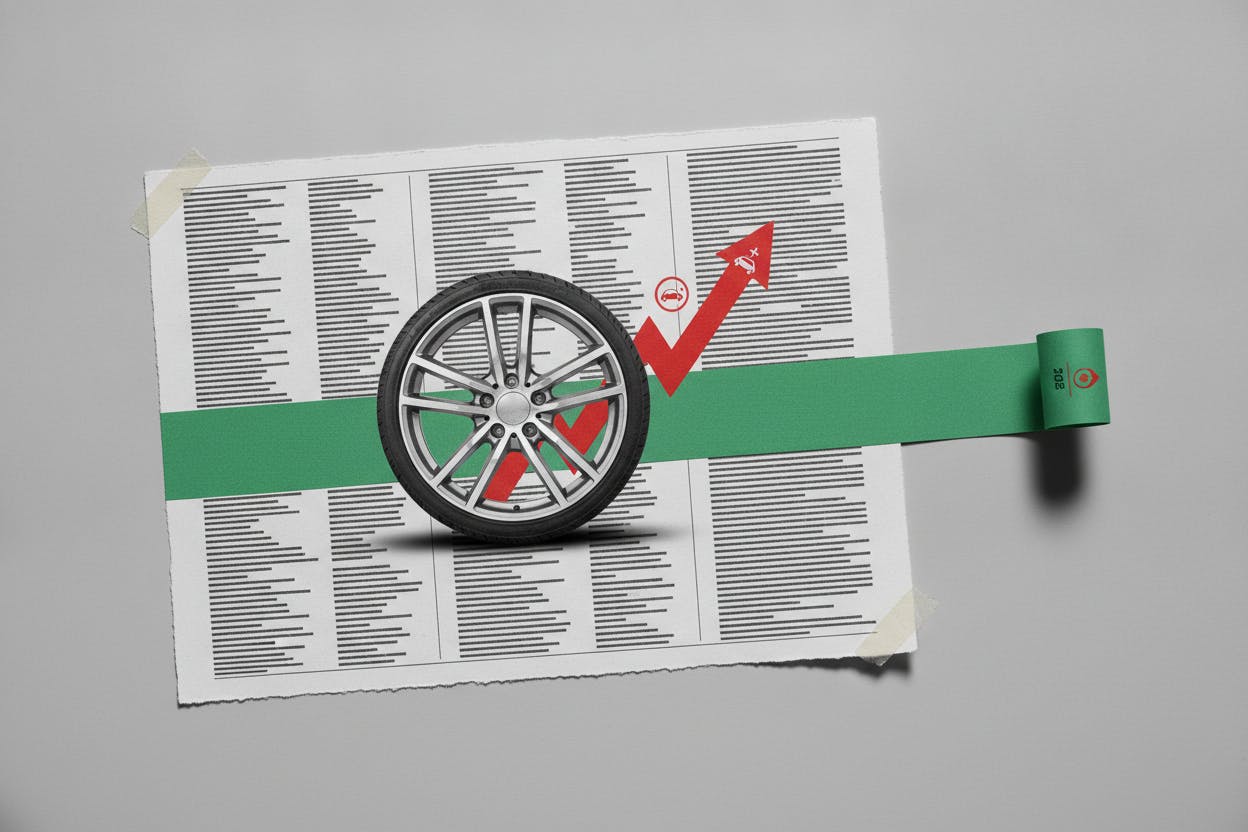
CITIC Dicastal, the wheel manufacturing arm of Chinese state-backed conglomerate CITIC Group, is rewriting its supply agreement for aluminum alloy wheels purchased from related companies. A filing with the Hong Kong Stock Exchange reveals a new deal that runs through December 31, 2028, with significantly higher annual purchase caps.
The revised caps are set at 11 billion to 13 billion yuan (roughly $1.5 billion to $1.8 billion) for the years 2026 through 2028. That is a notable increase from previous limits, driven by two key factors: rising aluminum prices and surging demand from electric vehicle (EV) manufacturers, which are major consumers of lightweight alloy wheels.
Why the caps are rising
Aluminum is the primary raw material for alloy wheels, and its price has climbed in recent years due to supply constraints and strong industrial demand. Higher input costs mean CITIC Dicastal needs to pay more to its suppliers—entities tied to its parent company—to maintain the same volume of wheels.
At the same time, the global shift toward EVs is boosting demand for lightweight components. Automakers are increasingly using aluminum alloy wheels to reduce vehicle weight and extend battery range. CITIC Dicastal, one of the world's largest wheel producers, supplies major car brands both in China and abroad. As EV production ramps up, the company's procurement needs are growing accordingly.
The deal is classified as a continuing connected transaction under Hong Kong listing rules, meaning it involves business between CITIC Dicastal and related parties within the CITIC Group. Such agreements require shareholder approval and regular disclosure to ensure fairness and transparency.
What it means for investors
For everyday investors, this filing offers a window into the operational pressures and opportunities facing a key supplier in the automotive supply chain. The higher purchase caps signal that CITIC Dicastal expects sustained or growing production volumes, which could translate into higher revenue. However, investors should also note that rising input costs—particularly aluminum—could squeeze profit margins if the company cannot pass those costs on to customers.
The deal also highlights the interconnected nature of state-owned enterprises in China. CITIC Dicastal's reliance on parent-company suppliers is common in conglomerates, but it also means that related-party transactions need close scrutiny. The Hong Kong exchange's rules are designed to protect minority shareholders by requiring detailed disclosures and independent assessments.
Looking ahead, investors will watch how CITIC Dicastal manages its cost structure and whether it can maintain or expand its market share as EV adoption accelerates. The company's ability to secure favorable pricing from its suppliers—while keeping its own customers happy—will be key to its financial performance.
For broader context, the automotive supply chain is undergoing a transformation as traditional carmakers and new EV entrants alike compete for components. Aluminum alloy wheels are a relatively small but essential part of that picture, and companies like CITIC Dicastal are positioned to benefit from the trend toward lighter, more efficient vehicles.
As always, investors should consider the risks: commodity price volatility, regulatory changes in China, and potential slowdowns in global auto sales could all affect CITIC Dicastal's outlook. The revised supply deal is a positive sign of growth expectations, but it is not a guarantee of future profits.