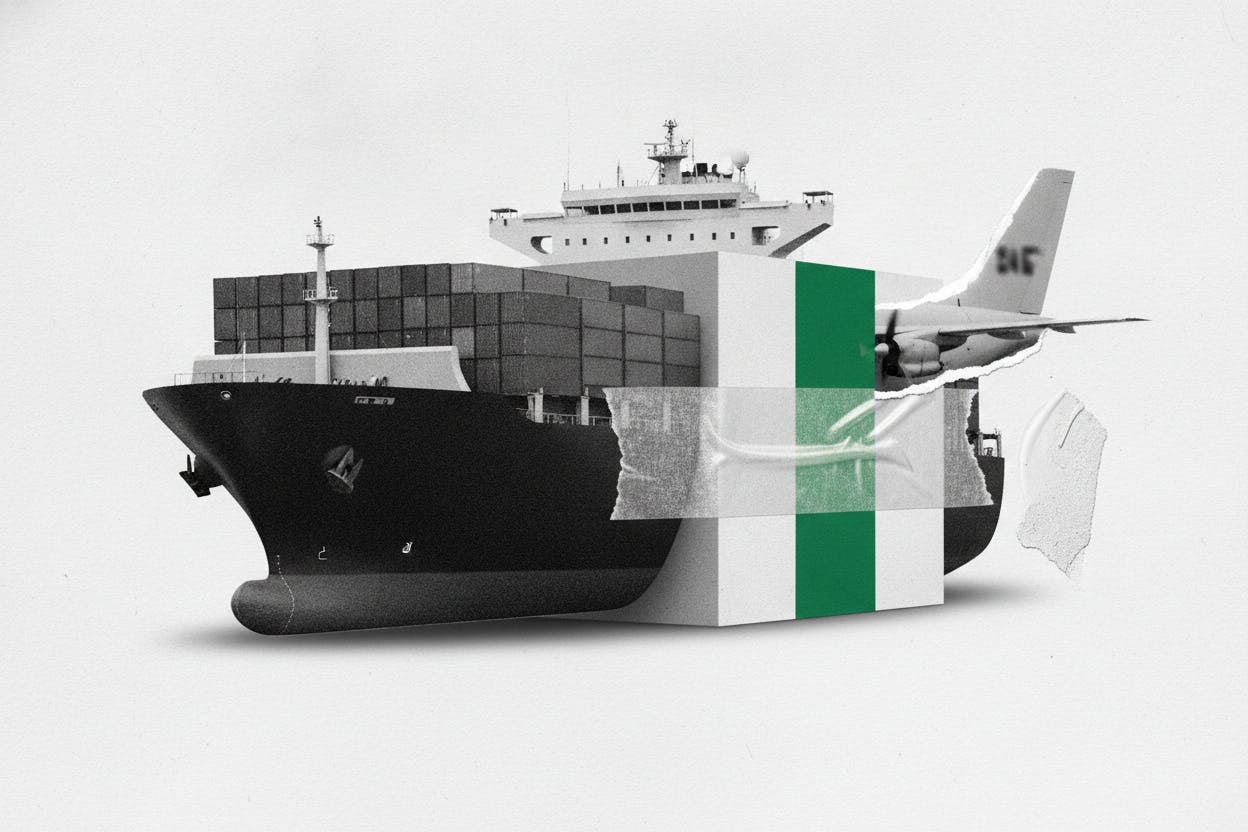
French container shipping giant CMA CGM is nearing a deal to acquire FedEx's third-party logistics business for approximately $1.4 billion in cash, according to a report from the Financial Times. The acquisition would mark another step in CMA CGM's push to diversify beyond the boom-and-bust cycles of ocean freight.
What's Being Bought?
The unit in question is FedEx's third-party logistics (3PL) arm, which manages freight and warehousing for other companies without owning the ships or planes that move the goods. Instead of earning revenue from volatile shipping rates, a 3PL typically charges fees for coordinating transportation, storage, and supply chain management. That fee-based model tends to produce more predictable income than the container shipping business, where rates can swing wildly based on global trade demand and capacity.
For FedEx, selling the unit would allow it to focus on its core express delivery and freight operations. The Memphis-based company has been streamlining its portfolio in recent years, and this deal would shed a business that overlaps less with its main parcel network.
Why CMA CGM Is Buying
Container shipping is a notoriously cyclical industry. When global trade booms, rates soar and carriers post record profits. When demand cools, rates collapse and losses pile up. CMA CGM has been trying to smooth out those swings by building a larger logistics and freight forwarding business. The company already owns CEVA Logistics, a major freight forwarder, and has been acquiring smaller logistics firms to expand its reach.
Buying FedEx's 3PL unit would give CMA CGM a bigger foothold in the business of managing supply chains for corporate clients, especially in North America. The deal would also bring in contracts that generate recurring revenue, helping to offset the volatility of ocean freight rates.
This is not CMA CGM's first big logistics bet. The company has been on an acquisition spree, and this deal would be one of its largest. It also comes as other shipping lines, such as Maersk and MSC, have been moving aggressively into logistics to offer end-to-end services to shippers.
What It Means for Investors
For investors in publicly traded shipping and logistics companies, this deal signals that the industry's largest players see logistics services as a key growth area. CMA CGM is privately held, so its shares are not directly traded, but the move could affect competitors like Maersk and DSV, which are also expanding their logistics arms.
FedEx, meanwhile, is a publicly traded company. Selling a non-core unit for $1.4 billion would provide cash that could be used to pay down debt, buy back shares, or invest in its core parcel network. Investors in FedEx may view the deal as a positive step toward simplifying the business and improving margins.
The broader takeaway for everyday investors is that the logistics industry is consolidating. Companies that can offer both ocean shipping and land-based logistics are trying to capture more of the supply chain dollar. That trend could create opportunities for investors in logistics-focused exchange-traded funds (ETFs) or in companies that are well-positioned to benefit from the shift.
However, investors should also be aware of the risks. Large acquisitions can be difficult to integrate, and CMA CGM will need to successfully fold FedEx's 3PL operations into its existing logistics network. If the deal goes through, the market will watch closely for signs of cost savings and revenue growth.
In other logistics and shipping news, PRL Global is ramping up phosphate output and eyeing cheaper bulk shipping, while South32 is shedding its aluminum portfolio to Alcoa in a $5.6 billion deal. These moves highlight how companies across the supply chain are reshaping their operations to adapt to changing market conditions.
For now, the CMA CGM-FedEx deal is not yet final, and terms could still change. But if completed, it would be one of the largest logistics acquisitions of the year and a clear signal that the lines between ocean shipping and land-based logistics are blurring.