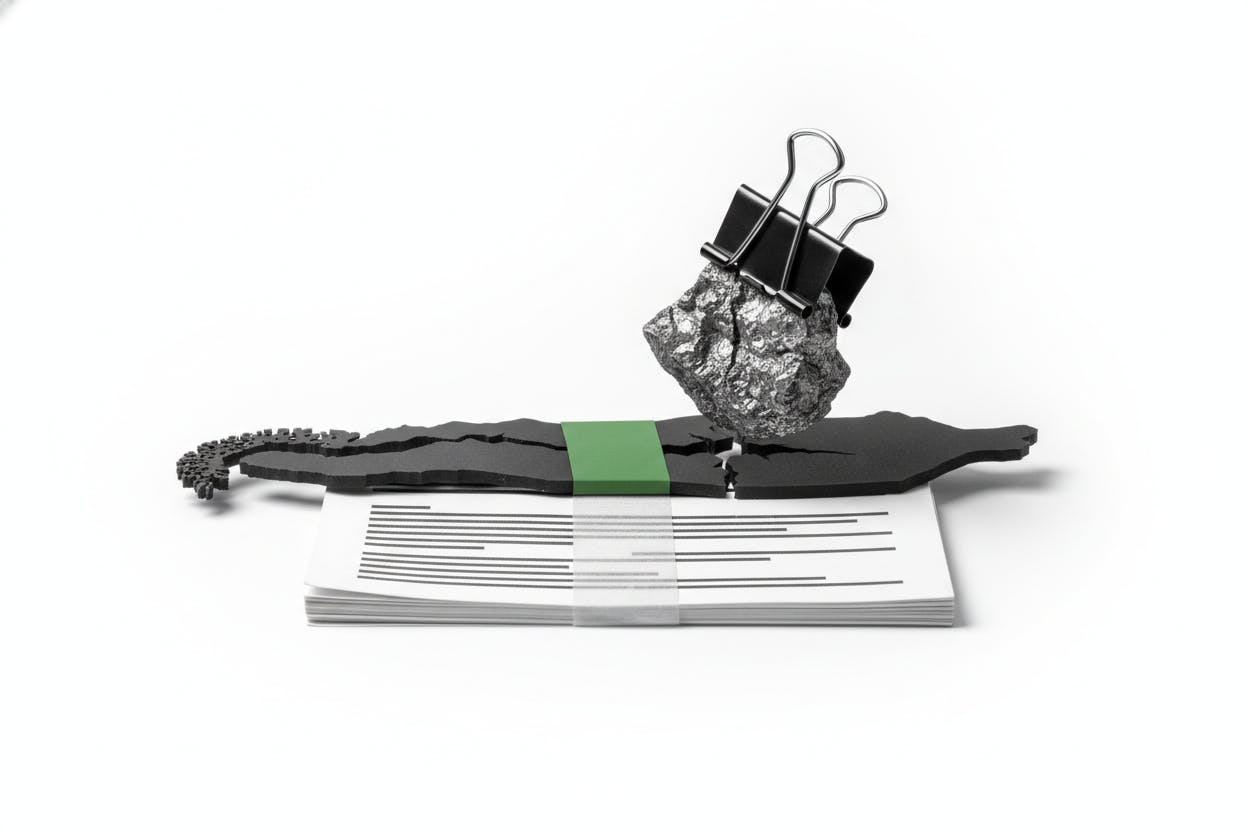
Chile's state-owned copper mining giant Codelco is considering major changes to its portfolio, including potential asset sales and new partnerships, as part of a sweeping review ordered by its new chairman, Bernardo Fontaine. The three- to four-month "diagnosis" could reshape how the world's largest copper producer funds its operations and develops its mines.
Fontaine told Chile's lower-house committee, according to Reuters, that the review may lead to delaying some projects, accelerating others, or selling assets and bringing in outside partners. The announcement comes as Codelco struggles to recover from a sharp production decline that saw copper output fall to a two-decade low in 2022-2023.
Why Codelco is under pressure
Codelco is not a typical mining company. As a state-owned enterprise, it sends all its profits to the Chilean government, which has long limited how much it can reinvest in its operations. The company has increasingly relied on debt to fund projects, a strategy that becomes riskier when copper prices fluctuate or when production falls short.
The production slump has been compounded by an internal audit that recently flagged irregularities in last year's production reporting, raising questions about the accuracy of the company's output data. For a miner that accounts for roughly 10% of global copper supply, any uncertainty about its production can ripple through the market.
Codelco operates some of the world's largest and most iconic copper mines, including Chuquicamata and El Teniente. It also holds stakes in joint ventures: 49% of the El Abra mine alongside Freeport-McMoRan, and 10% of the Quebrada Blanca mine with Teck Resources. Any changes to these assets or to Codelco's investment plans could affect output at these sites for years to come.
What the review could mean for copper supply
Copper prices are driven not just by today's demand but by expectations of future supply. Codelco sits at the center of that picture. If Fontaine's review leads to postponed investment, it could push a production recovery further into the future, tightening supply expectations and potentially supporting higher prices. If it leads to asset sales or partnerships, outside capital could fund projects faster, but it would also change who receives the cash flows from those mines.
For investors in Freeport-McMoRan and Teck Resources, the review is worth watching. Any decision by Codelco to sell its stakes in El Abra or Quebrada Blanca could alter the ownership structure and financial dynamics of those joint ventures. Alternatively, if Codelco seeks new partners for its core mines, it could bring in fresh capital and expertise to boost output.
The broader backdrop is a global copper market that is already tight. Demand from electric vehicles, renewable energy infrastructure, and grid modernization is expected to grow significantly in the coming years, while new mine supply is becoming harder to bring online. Codelco's ability to reverse its production decline is a key variable in that equation.
What it means for investors
For everyday investors, the key takeaway is that Codelco's review could shift copper supply expectations over the next few years. Copper prices are sensitive to changes in supply forecasts, and any signal that Codelco's output recovery will be delayed or accelerated can move the market.
Investors with exposure to copper through mining stocks or exchange-traded funds should pay attention to the outcome of the review. If Codelco sells assets or brings in partners, it could unlock value for the Chilean government but also reduce the company's direct control over future production. If it delays projects, the supply picture could tighten further, potentially supporting copper prices.
It's also worth noting that Codelco's financial model—sending profits to the state—means it has less flexibility than its private-sector peers. This structural constraint is unlikely to change, but the review could lead to more creative financing arrangements that help the company invest without taking on excessive debt.
For now, the review is in its early stages. Fontaine has given himself three to four months to complete the diagnosis, meaning investors will have to wait for clarity on which path Codelco will take. In the meantime, the company's production data and any further audit findings will be closely watched.