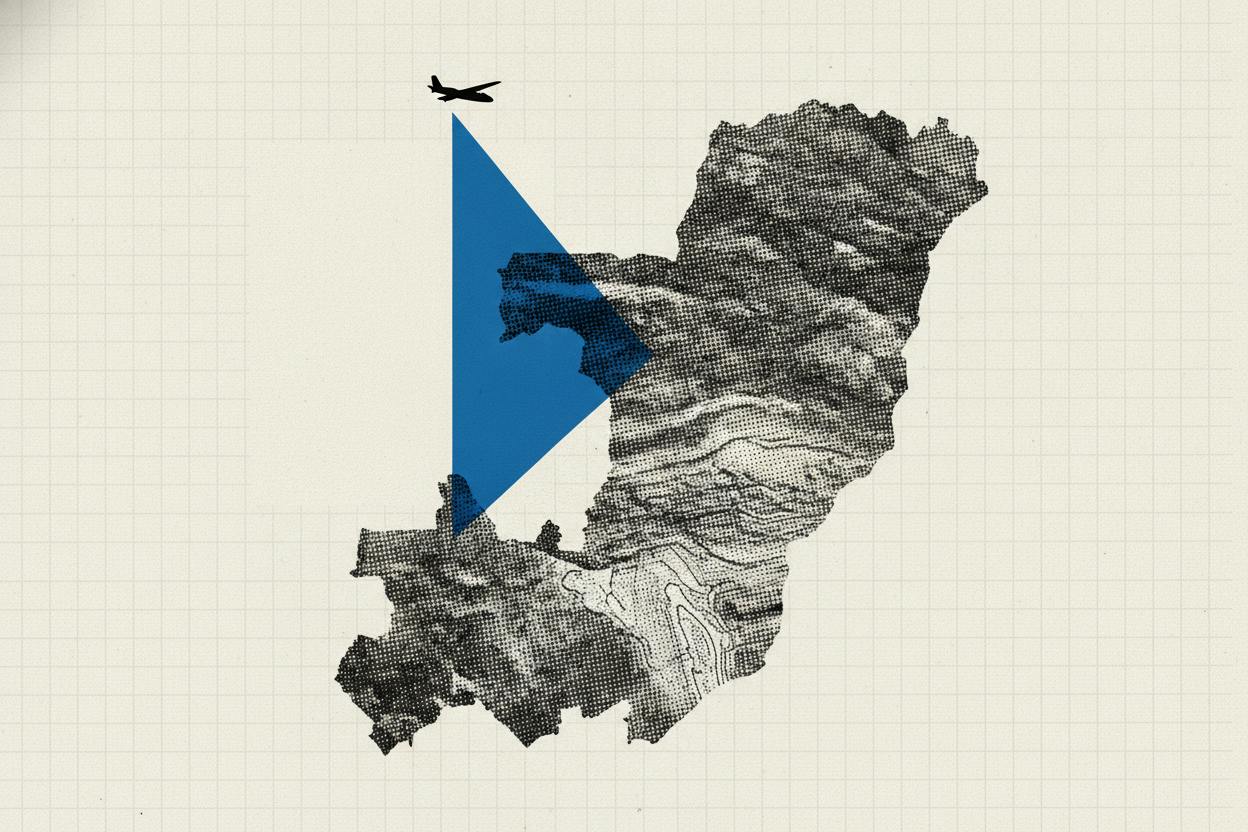
The Democratic Republic of the Congo (DRC) is launching an ambitious airborne mapping program that aims to nearly double the share of the country covered by modern geological data, from 22.27% to 46.1%. The initiative, known as PC2G-RDC, is designed to give mining companies a clearer picture of what lies beneath the ground, potentially unlocking new investment in a country already rich in copper and cobalt.
Why mapping matters for mining
Mining exploration is a costly and uncertain business. Companies often spend years and millions of dollars before they find a deposit worth developing. One of the biggest hurdles is the lack of reliable geological data, especially in frontier regions where old maps may be outdated or incomplete.
The DRC's new program uses aircraft-based geophysical surveys. These involve flying instruments over large areas to measure variations in magnetic fields, gravity, and other physical properties. The data can reveal hidden structures and mineral signatures, giving geologists a strong hint about where to focus their search. This 'scan from above' approach is far faster and cheaper than sending ground teams into remote terrain.
By updating old datasets and flagging promising zones, the DRC hopes to lower the risk for explorers. That could be a game-changer for provinces that have seen little modern exploration, even as the country already dominates global cobalt production and leads Africa in copper output.
What this means for the DRC's mining sector
The DRC is already a heavyweight in the global metals market. It is the world's largest producer of cobalt, a key ingredient in electric vehicle batteries, and Africa's top copper producer. But officials have long acknowledged that much of the country remains under-explored. The new mapping effort is part of a broader push to tighten state control over mining data and steer investment toward less-developed regions.
For international mining companies, the appeal is clear: better data means fewer blind gambles. Instead of relying on decades-old surveys or speculative reports, they can access a modern, standardized dataset that covers a much larger area. That could make the DRC more competitive with other mining destinations, especially as global demand for critical minerals like copper and cobalt continues to rise.
The move also aligns with a wider trend in the mining industry, where governments are increasingly using aerial surveys to attract investment. Countries like Australia and Canada have long used such data to support their mining sectors, and now African nations are following suit.
What it means for investors
For everyday investors, the DRC's mapping program is a reminder that mining is as much about information as it is about digging. When a country improves its geological knowledge, it can reduce the risk premium that investors demand, potentially making projects more viable and attractive.
Investors with exposure to mining stocks, particularly those focused on copper or cobalt, may want to watch how the program unfolds. If the surveys reveal promising new deposits, it could spark a wave of exploration spending in the DRC. That might benefit junior explorers and major miners alike, though it's important to remember that exploration is inherently risky and success is never guaranteed.
The DRC's push also highlights the growing importance of critical minerals in the global energy transition. As demand for electric vehicles and renewable energy infrastructure grows, so does the need for copper, cobalt, and other metals. Countries that can offer reliable data and a stable investment climate are likely to attract a larger share of that spending.
For now, the mapping program is a positive signal for the DRC's mining sector, but investors should keep an eye on execution. The country has faced challenges with governance and infrastructure in the past, and turning geological data into actual mines will require continued effort. Still, the initiative is a step toward making the DRC a more transparent and accessible place to do business.
As the program expands, expect to see more headlines about exploration results and new projects. For those interested in the broader mining landscape, the DRC's move is a reminder that the next big discovery could come from a place that was previously off the map.