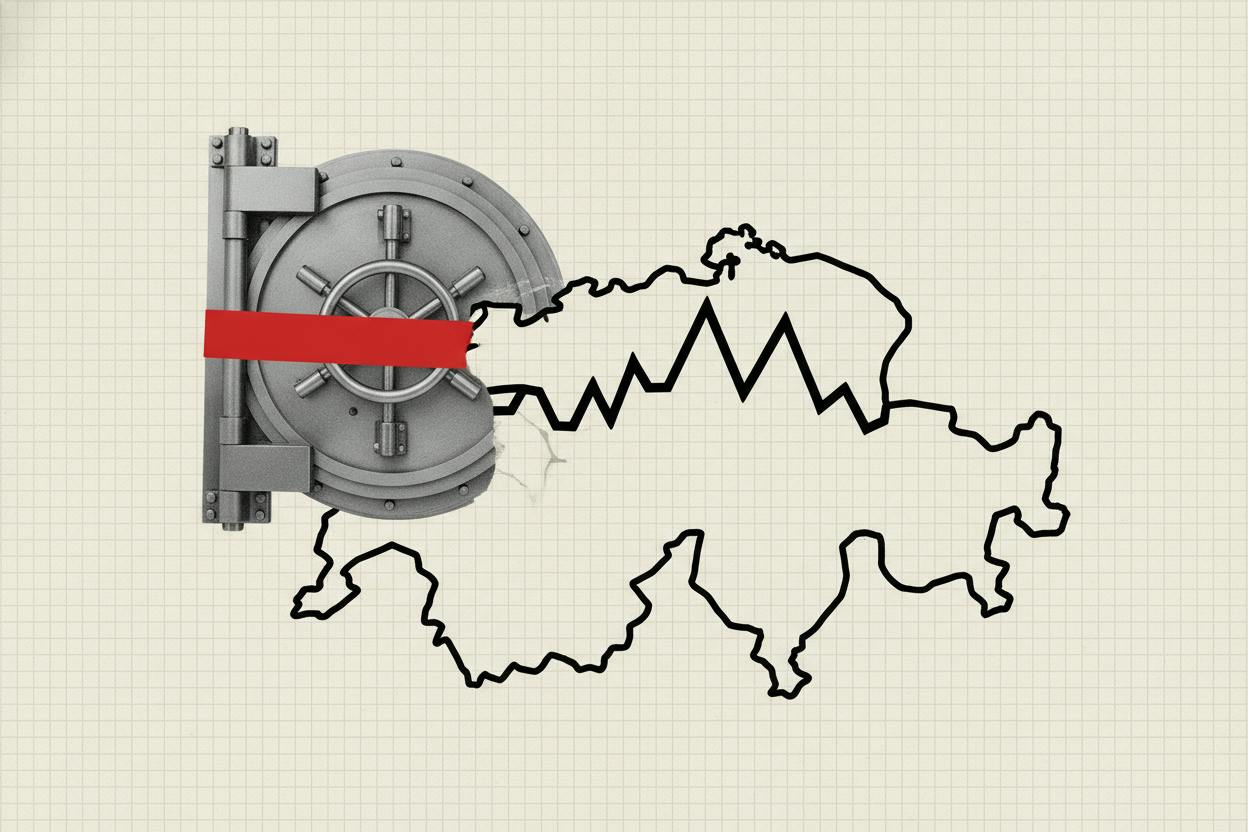
Swiss stocks closed the week in the red, with the Swiss Market Index (SMI) slipping 1.02%. The decline was driven by a familiar mix: AI-linked shares cooled off, geopolitical tensions pushed investors toward safer assets, and heavyweight UBS tumbled after pushing back on proposed banking reforms.
What's behind the slide?
The SMI's dip fits a broader pattern seen across global markets recently. AI-related stocks, which have been among the market's biggest winners, have become more sensitive to any hint of trouble. When investors get nervous, they often sell the pricier growth names first, and AI favorites are a prime target. This week, tense geopolitical headlines added to the caution, prompting a shift toward defensive assets.
But Switzerland's market has a unique quirk: a handful of large companies can move the entire index. The biggest of those is UBS, the country's largest bank. Its shares fell 3.75% after the bank publicly pushed back on parts of Switzerland's third package of proposed banking reforms, as the public consultation period came to an end.
UBS and the 'too-big-to-fail' debate
UBS's criticism centers on the reform package's potential costs. The bank argues the plan still lacks a clear, full accounting of the combined costs of the proposed measures. More pointedly, it warned that some "too-big-to-fail" rules could actually amplify downturns by forcing banks to tighten lending at the wrong time.
This is a classic tension in banking regulation. After the 2008 financial crisis, regulators worldwide introduced stricter rules to ensure that systemically important banks—those deemed "too big to fail"—hold enough capital and liquidity to survive a crisis without needing a taxpayer bailout. The goal is to make the financial system safer. But banks argue that overly strict rules can have unintended consequences, such as making it more expensive to lend, which can slow economic growth.
For UBS, the stakes are high. As Switzerland's largest bank, it would be most affected by any new requirements. The bank's pushback is a signal that it sees the current proposal as potentially harmful to its business model.
What it means for investors
For everyday investors, the key takeaway is how regulatory news can weigh on a bank's stock price. When regulators tighten rules, investors quickly shift their focus from this quarter's earnings to the bank's long-term profitability. If new requirements force a bank to fund itself with more equity, hold bigger liquidity buffers, or run with less borrowing, it typically earns a lower return on equity—a simple measure of profit relative to shareholders' money.
When that long-run return looks lower or harder to predict, investors often pay a lower price relative to earnings. That's why UBS's 3.75% slide matters: it shows how a regulatory headline can directly hit a bank's valuation.
Because UBS is such a large part of Switzerland's stock market, uncertainty over the final shape and timing of these reforms can act like a valuation overhang for the bank. And by extension, it leaves the SMI more sensitive to regulatory headlines than many other European indexes. For investors in Swiss stocks, that means keeping an eye on the reform process is important—not just for UBS, but for the whole market.
Broader market context
This week's Swiss decline is part of a wider trend. AI jitters and US rate bets have been knocking stocks globally, from Latin American markets to tech and AI futures. The pattern is consistent: when investors worry about interest rates or geopolitical risk, they tend to sell the most expensive, growth-oriented stocks first.
For Swiss investors, the combination of AI cooling and UBS's regulatory overhang creates a double drag. But it's worth remembering that the SMI is heavily weighted toward financials and healthcare, so its moves can differ from broader European or US indexes. The key is to watch how the reform debate evolves and whether AI-related selling continues.
As always, no single week defines a trend. But for those holding Swiss stocks, the message is clear: regulatory news and AI sentiment are two forces to keep on your radar.