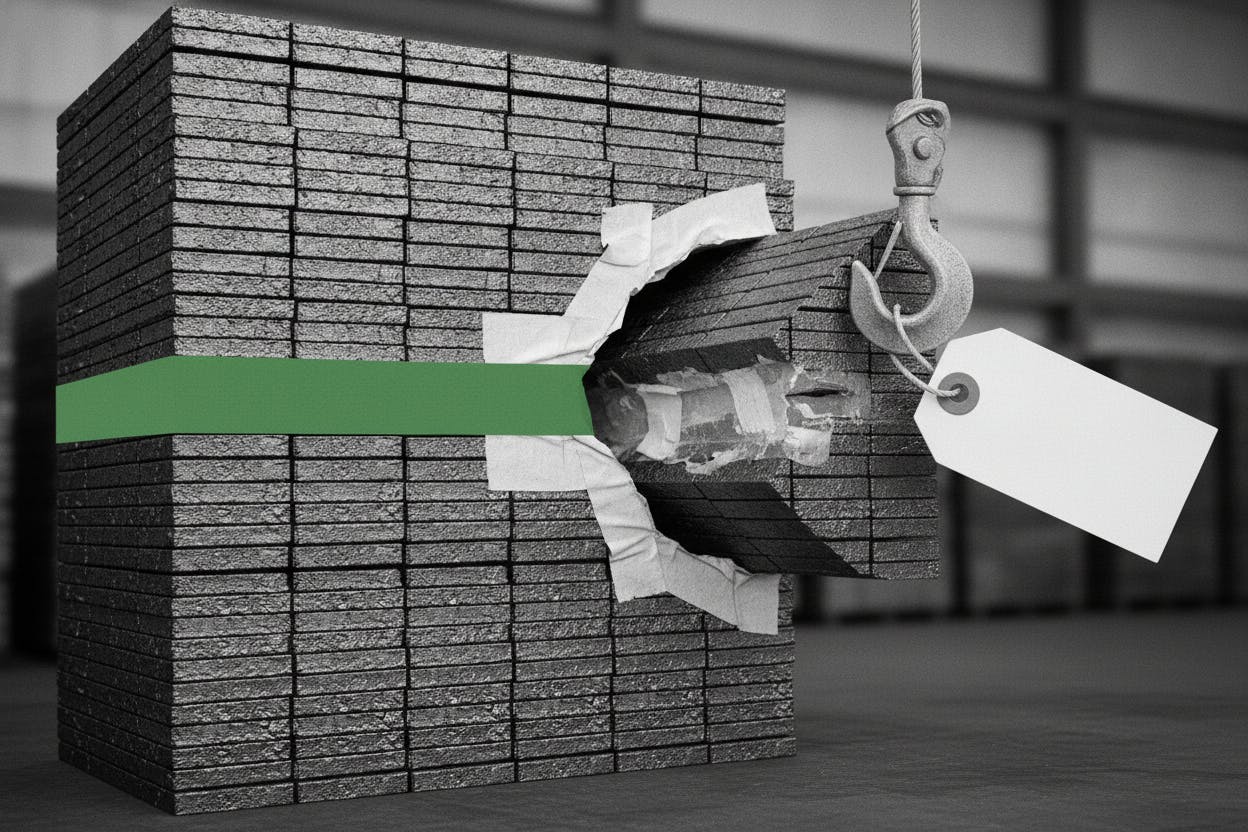
Copper prices ticked higher on Tuesday as exchange stockpiles continued to dwindle, with more than half of the copper sitting in London Metal Exchange (LME) warehouses now flagged for withdrawal. But the rally was capped by lingering concerns about global demand and the prospect of higher interest rates.
What's happening with LME copper stocks?
The LME is a key global marketplace for industrial metals, and its warehouse data is closely watched by traders. When a large share of the metal stored there is tagged for withdrawal—known as 'canceled warrants'—it signals that less copper is readily available for delivery against futures contracts. That can push prices higher, as buyers compete for the remaining supply.
Currently, more than half of LME copper inventories are marked to leave the warehouses. That's a significant tightening of available supply, and it has helped lift copper prices modestly. The metal is used extensively in construction, electronics, and renewable energy infrastructure, so its price is often seen as a barometer of global economic health.
However, the upward move has been restrained. Traders are weighing the supply squeeze against a broader backdrop of uncertainty about demand, particularly from China, the world's largest copper consumer. Recent economic data from China has been mixed, and concerns about a slowdown in its property sector and manufacturing have kept some buyers on the sidelines.
Why demand worries and higher rates are capping the rally
Copper is being pulled by two opposing forces. On one side, the shrinking LME stocks provide near-term support. On the other, fears about weakening demand and the potential for central banks to keep interest rates higher for longer are acting as a ceiling.
Higher interest rates tend to strengthen the US dollar, which makes dollar-priced commodities like copper more expensive for buyers using other currencies. That can dampen demand. The dollar has edged up recently, partly due to safe-haven buying amid Middle East tensions, adding another headwind for copper.
Investors are also watching the Federal Reserve's next moves. If the Fed signals it will keep rates elevated to fight inflation, that could slow economic activity and reduce demand for industrial metals. The recent selloff in tech stocks reflects similar concerns about the impact of higher rates on growth.
What it means for everyday investors
For ordinary investors, copper's price moves offer a window into the health of the global economy. A sustained rally in copper often signals strong industrial demand and economic expansion, while a decline can hint at a slowdown.
The current tug-of-war between tight supply and uncertain demand means copper prices could remain volatile in the near term. Investors with exposure to copper through exchange-traded funds (ETFs) or mining stocks should be prepared for swings. The metal's price is also sensitive to news from China, where any stimulus measures or property sector recovery could boost demand.
It's also worth noting that copper is a key component in the energy transition, used in electric vehicles, solar panels, and wind turbines. That long-term demand driver remains intact, even if short-term economic headwinds persist.
For now, the market is watching LME warehouse data closely. If canceled warrants continue to rise and inventories keep falling, copper could find support. But any signs of weakening demand or a stronger dollar could quickly reverse those gains.
As always, investors should avoid making knee-jerk decisions based on daily price moves. Copper's story is one of competing forces, and the next big catalyst could come from either the supply side or the demand side.



