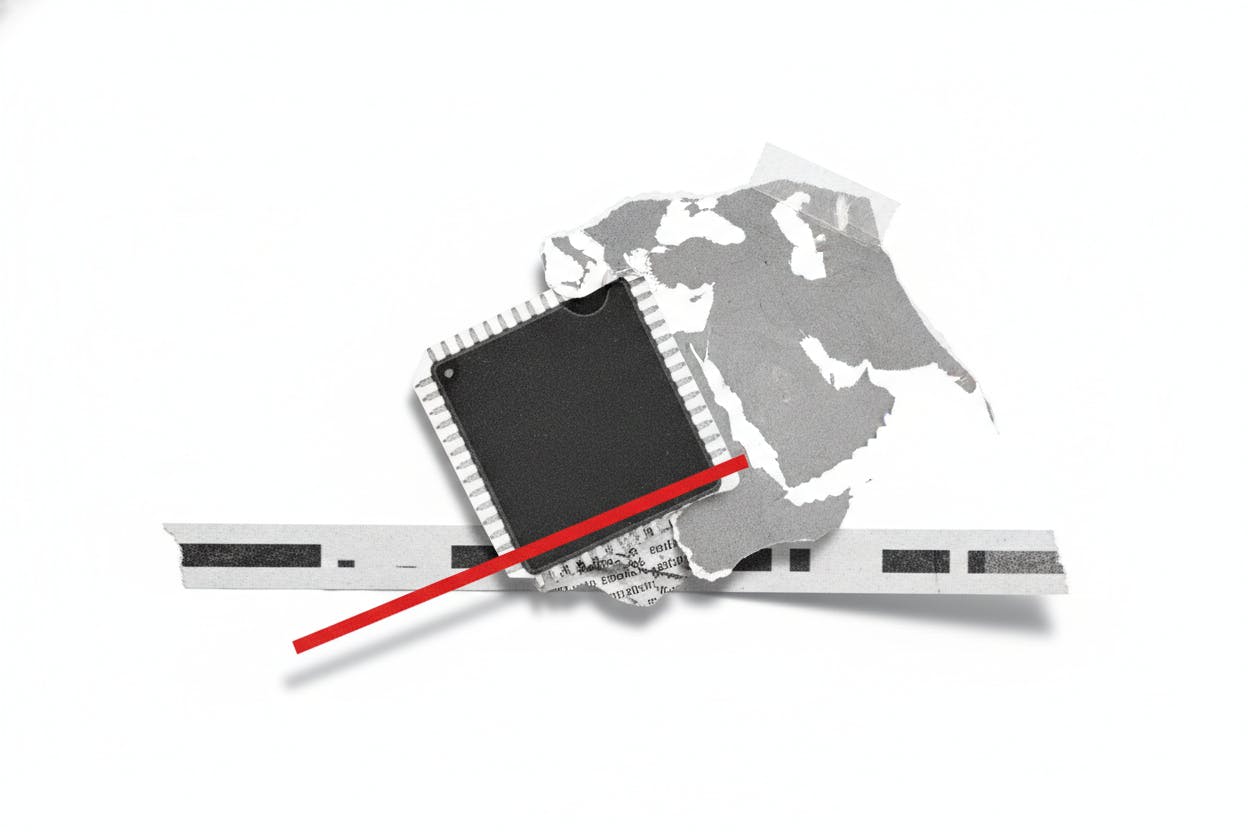
Semiconductor stocks took a sharp hit this week, with the VanEck Semiconductor ETF falling about 17% from its June 22nd high, even as June's inflation data came in softer than expected. The decline highlights how geopolitical risks—particularly rising tensions in the Middle East—can override what would normally be a positive catalyst for growth-oriented sectors.
What Happened
The VanEck Semiconductor ETF, a broad measure of chip stocks, has been sliding since late June, erasing gains that had been fueled by enthusiasm around artificial intelligence. The selloff accelerated this week as investors grew increasingly worried that a wider Middle East conflict could disrupt global trade routes, particularly in energy and shipping.
This move came despite the release of the June Consumer Price Index (CPI) and Producer Price Index (PPI), both of which showed inflation cooling. The CPI measures the average change in prices consumers pay for goods and services, while the PPI tracks what producers receive for their products. Softer readings in both are typically seen as good news for stocks, especially growth stocks like semiconductors, because they reduce pressure on the Federal Reserve to keep raising interest rates.
Why Chip Stocks Fell Despite Good Inflation News
Normally, a cooler inflation report would boost tech and chip stocks, as it raises the odds that the Fed will pause or even cut rates. Lower rates make future earnings more valuable, which is a key driver for high-growth companies. But this week, markets didn't follow that script.
Instead, money rotated out of technology and into more defensive sectors—areas like utilities, healthcare, and consumer staples that tend to hold up better during economic uncertainty. The shift suggests that investors are more worried about the immediate threat of geopolitical instability than the longer-term implications of inflation data.
This pattern is not entirely new. In recent weeks, the AI trade has cooled significantly, with chip stocks sliding as leveraged bets unwind. The Nasdaq has also dropped, reflecting a broader selloff in tech. Meanwhile, oil prices have surged as Middle East tensions escalate, adding to the uncertainty. For a deeper look at how these dynamics have played out, see our coverage of the AI trade cooling and chip stocks sliding.
What It Means for Investors
For everyday investors, this week's action is a reminder that markets don't always move in a straight line based on one data point. Even good news on inflation can be overshadowed by bigger-picture risks.
Here are a few key takeaways:
- Geopolitical risk matters. Tensions in the Middle East can affect global trade, energy prices, and supply chains—all of which can hit sectors like semiconductors that rely on complex global logistics.
- Defensive plays gain traction. When uncertainty rises, money often flows into safer assets. This can mean bonds, gold, or stocks in sectors like utilities and healthcare.
- Inflation data still matters. The fact that CPI and PPI came in cooler is still a positive sign for the economy. It suggests that the Fed's rate hikes may be working, which could eventually support a broader market rally—but not if other risks dominate.
Investors should also keep an eye on oil prices, which have been climbing amid the tensions. Higher energy costs can feed back into inflation, complicating the Fed's job. For more on how oil and inflation are interacting, check out our article on oil surging as US-Iran tensions escalate.
What to Watch Next
The key question is whether the selloff in chip stocks is a temporary pullback or the start of a deeper correction. Much will depend on how the Middle East situation evolves. If tensions de-escalate, the focus could quickly shift back to the positive inflation data and the potential for rate cuts later this year.
On the other hand, if the conflict widens, expect continued volatility in tech and a further rotation into defensive sectors. The semiconductor industry is particularly sensitive to disruptions in global trade, as many chips are manufactured in Asia and shipped worldwide.
For now, investors should brace for more ups and downs. The combination of cooling inflation and rising geopolitical risk creates an unusual environment where good news and bad news are both in play. Staying diversified and avoiding the temptation to chase the latest trend remains a sound approach.
For more context on how tech stocks have been faring, see our analysis of AI chip stocks tumbling as leveraged bets unwind and the broader plunge into bear market territory.