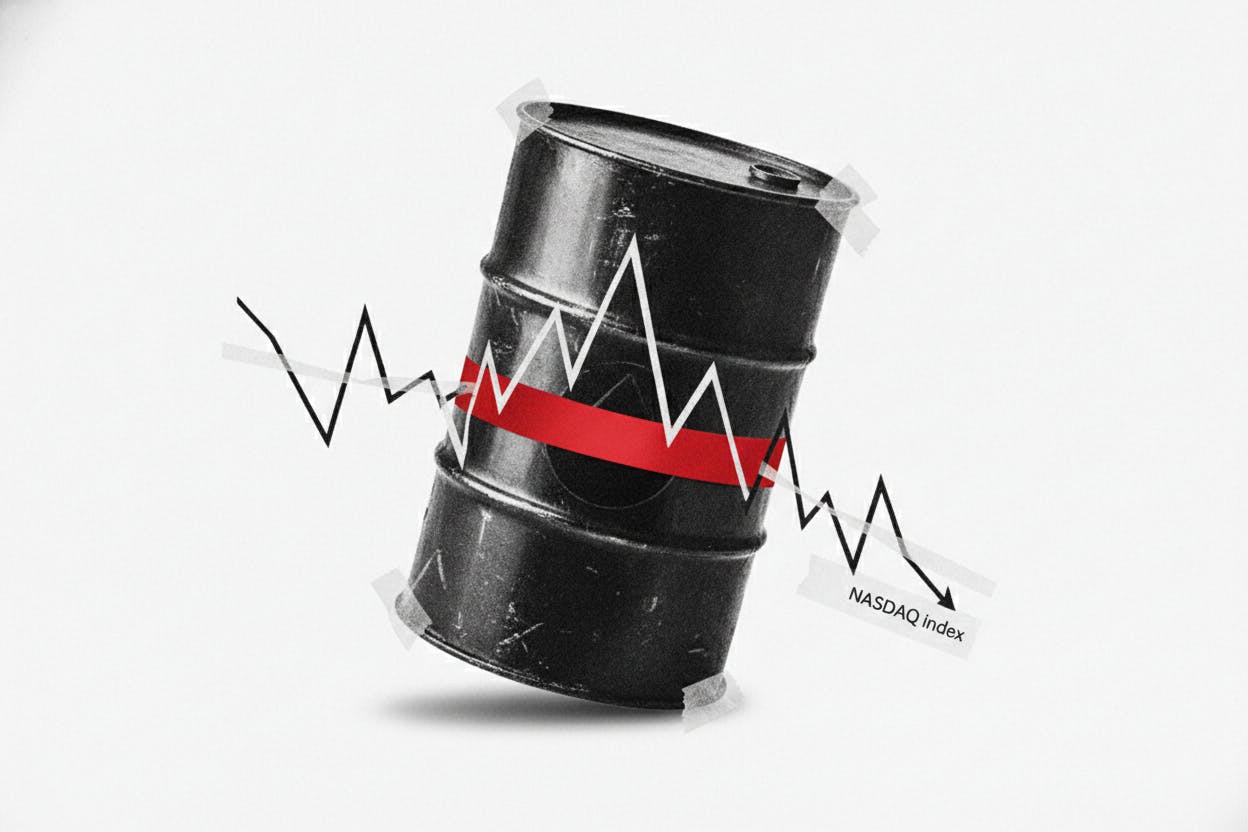
US stocks slid and oil prices jumped on Tuesday after US Central Command said it had completed a sixth wave of attacks against Iran, escalating tensions in the Middle East. The technology-heavy Nasdaq fell 1.9%, while West Texas Intermediate crude climbed 3.5% to $81.68 a barrel.
What happened
US Central Command announced the latest round of strikes as part of an ongoing military campaign against Iranian targets. The attacks mark the sixth consecutive wave, signaling a sustained escalation rather than a one-off response. Markets reacted swiftly: oil prices spiked as traders priced in a higher risk of disruptions to global supply routes, particularly the Strait of Hormuz, a narrow waterway through which about 20% of the world's oil passes.
Brent crude, the international benchmark, rose 3.2% to $86.90 a barrel. The move pushed energy stocks higher, but the broader market sold off as investors rotated out of growth-oriented sectors like technology and consumer discretionary.
Why stocks fell
The Nasdaq's 1.9% decline was led by big tech and semiconductor stocks, which are particularly sensitive to interest rate expectations. Higher oil prices can feed into inflation, making it less likely that the Federal Reserve will cut rates soon. That dynamic weighed on stocks that rely on low borrowing costs and future earnings growth.
The selloff was not limited to the US. Emerging market stocks dropped 2.7% as the combination of geopolitical risk and a tech rout hit markets from Asia to Latin America. Dubai stocks hit a five-week low, while UAE stocks were mixed as the oil risk premium remained elevated.
What it means for investors
For everyday investors, the key takeaway is that geopolitical events can quickly shift the balance between risk and reward. Oil price spikes tend to hurt consumer spending by raising fuel costs, which can squeeze corporate profits in sectors like airlines, retail, and manufacturing. At the same time, energy stocks often benefit, but the broader market usually struggles when oil rises sharply on supply fears.
The situation also complicates the inflation outlook. The Fed has been trying to bring inflation down to its 2% target, but a sustained rise in oil prices could keep price pressures elevated. That would reduce the chances of rate cuts, which markets have been hoping for. Higher-for-longer interest rates are generally negative for growth stocks, which is why the Nasdaq took the biggest hit.
What to watch next
Investors will be watching for any further military developments, as well as diplomatic efforts to de-escalate. The key risk is a disruption to shipping through the Strait of Hormuz. If that happens, oil could spike much higher, and the market reaction could intensify.
Also on the radar: the next US inflation report and Fed commentary. If oil stays elevated, the central bank may signal a more cautious approach to rate cuts, which would keep pressure on stocks.
For now, the market is in a wait-and-see mode, but the message from Tuesday is clear: geopolitical risk is back, and it is hitting both oil markets and equity valuations.