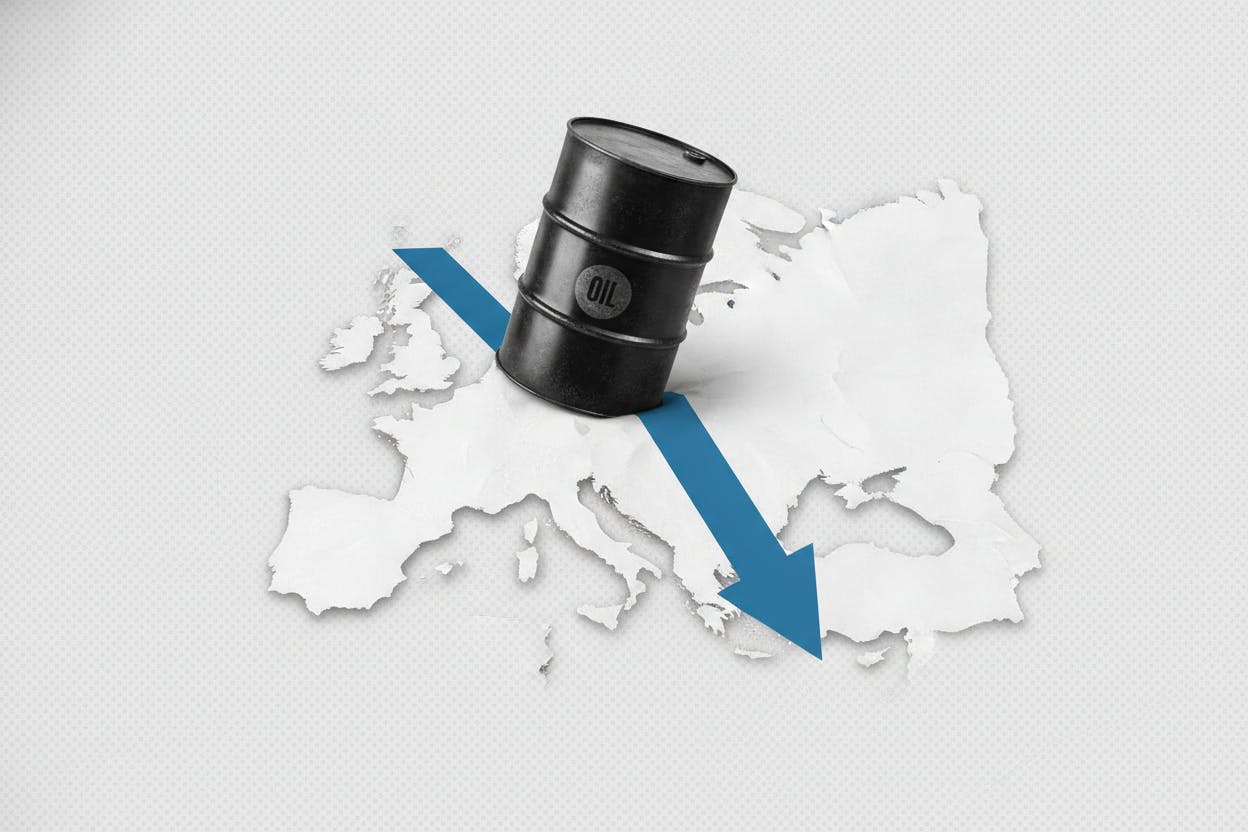
European stocks ended the week on a down note Friday, as a renewed selloff in technology shares and rising oil prices kept investors cautious ahead of the European Central Bank's July 23rd meeting. The broad-based STOXX 600 index fell 0.34% to 641.53, leaving the benchmark roughly flat for the week despite some solid corporate earnings reports.
Tech Selloff Deepens
The technology sector was the biggest drag on the market, falling 3.27% over the week. Investors are demanding a lot from companies linked to the artificial intelligence boom, even after ASML, a Dutch maker of chipmaking equipment, raised its 2026 sales outlook. The selloff mirrors a global trend, with chipmakers leading a broader decline in AI-related stocks. For context, the AI stocks slide has been a recurring theme as investors reassess valuations.
When investors think interest rates may stay high for longer, they use a higher discount rate—a tougher yardstick for valuing future profits. That weighs most on long-duration stocks, where much of the expected payoff sits further out in time. Tech companies, which often rely on future earnings growth, feel the pressure first.
Oil Prices Add to Inflation Worries
Rising oil prices are complicating the inflation picture. Energy costs filter into everything from shipping to electricity bills, making it harder for central banks to declare victory over inflation. The rising gas prices are a concern for consumers and policymakers alike.
Geopolitical tensions in the Middle East have added a risk premium to oil, as seen in recent market moves. The US-Iran tensions have rattled Gulf markets and kept oil prices elevated.
ECB Meeting in Focus
All eyes are on the European Central Bank's meeting on July 23rd. According to Reuters, policymakers are widely expected to keep interest rates unchanged. However, markets still see another increase later this year, creating a "pause, but not done" message that tends to keep borrowing costs and funding conditions tight.
The ECB's stance is crucial for European equities. Higher interest rates make bonds more attractive relative to stocks and increase the cost of borrowing for companies. This is particularly challenging for growth-oriented sectors like tech.
What It Means for Investors
The divergence in sector performance is a key signal for investors. Utilities, for example, gained 1.55% on Friday, while tech fell 3.27% for the week. This tells us that investors are rotating into more defensive sectors when they expect rates to stay high.
Defensive sectors like utilities tend to have steadier, nearer-term cash flows, making them less sensitive to higher discount rates. If oil keeps complicating the inflation picture and the ECB sticks to a hold-now, hike-later path, expect bigger gaps in performance across sectors inside Europe's benchmark index.
For everyday investors, this means paying attention to sector allocation. A portfolio heavy on tech may face more volatility in a rising rate environment, while adding some defensive exposure could provide stability. The upcoming earnings week, with reports from Ryanair, Novartis, SAP, and Volkswagen, will offer more clues on corporate health and market direction. See our preview: Europe's STOXX 600 Faces Busy Earnings Week.
In summary, the combination of tech selloff, rising oil prices, and cautious ECB expectations is creating a challenging environment for European stocks. Investors should watch for further sector rotation and prepare for potential volatility as central bank decisions unfold.



