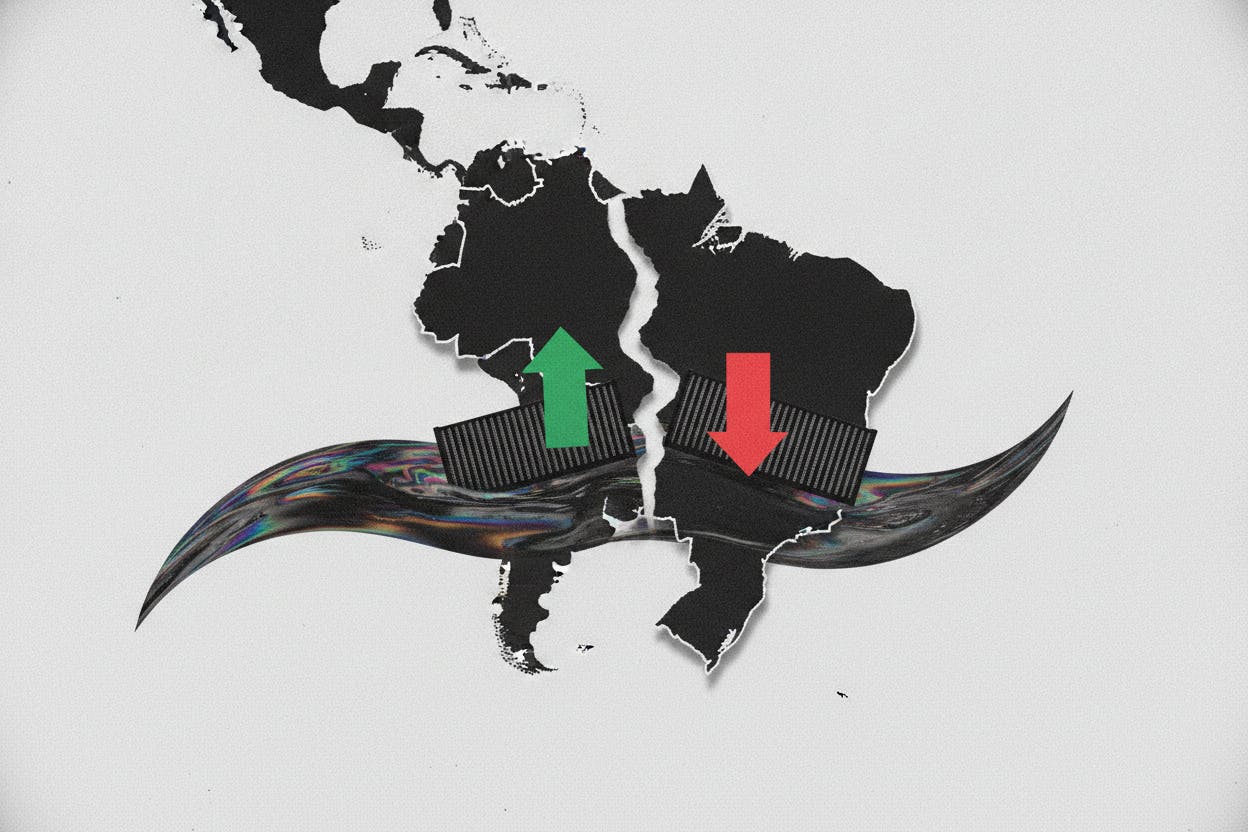
Latin American stocks and currencies mostly declined on Tuesday as escalating tensions between the US and Iran rattled global markets and pushed oil prices to a one-month high. The selloff was part of a broader retreat from riskier assets, with emerging markets bearing the brunt of the uncertainty.
What Happened
US military strikes on Iranian targets and Tehran's subsequent announcement that it had closed the Strait of Hormuz sent crude oil prices surging. The Strait of Hormuz is a narrow shipping lane between the Persian Gulf and the Gulf of Oman that carries roughly one-fifth of the world's seaborne oil. Any disruption there can quickly lift energy costs and rattle confidence in global supply chains.
Oil hit its highest level in a month, adding to inflationary pressures and raising concerns about the economic impact on energy-importing nations. For Latin America, the region's mixed exposure to oil—some countries are net exporters, others importers—meant the impact varied, but the overall mood was cautious.
Most regional currencies weakened against the US dollar, while stock indices in Brazil, Mexico, Chile, and Colombia posted losses. The selloff mirrored declines in other emerging markets, as investors moved toward safe-haven assets like gold and US Treasuries.
Why It Matters for Investors
Alejo Czerwonko, emerging markets chief investment officer at UBS Global Wealth Management, told Reuters that Latin America tends to feel these shocks mainly through global risk appetite. In plain terms, when geopolitical tensions spike, investors often sell emerging-market assets first and ask questions later.
Higher oil prices can be a double-edged sword for the region. Oil-exporting nations like Colombia and Ecuador may benefit from higher revenues, but net importers such as Chile and many Central American countries face higher fuel costs that can squeeze consumers and businesses. For everyday investors, this means volatility in Latin American stocks and currencies could persist as long as the crisis continues.
The broader context is that emerging markets have already been under pressure this year from a strong US dollar, high interest rates in developed economies, and slowing global growth. The Iran tensions add another layer of uncertainty, making it harder for investors to gauge the outlook for risk assets.
What to Watch Next
Investors will be closely monitoring any further developments in the Middle East, particularly whether the Strait of Hormuz remains closed and how other oil-producing nations respond. A prolonged disruption could push oil prices even higher, potentially fueling inflation and forcing central banks in Latin America to reconsider their monetary policy paths.
Also on the radar is the reaction of US markets. The Nasdaq dropped 1.9% as tech stocks sold off, reflecting the broader risk-off mood. If US equities continue to slide, Latin American markets are likely to follow suit.
For now, the message for everyday investors is clear: geopolitical shocks can quickly shift market sentiment, and emerging markets are often the first to feel the pain. Diversification and a long-term perspective remain key, but short-term volatility is almost certain to continue.



