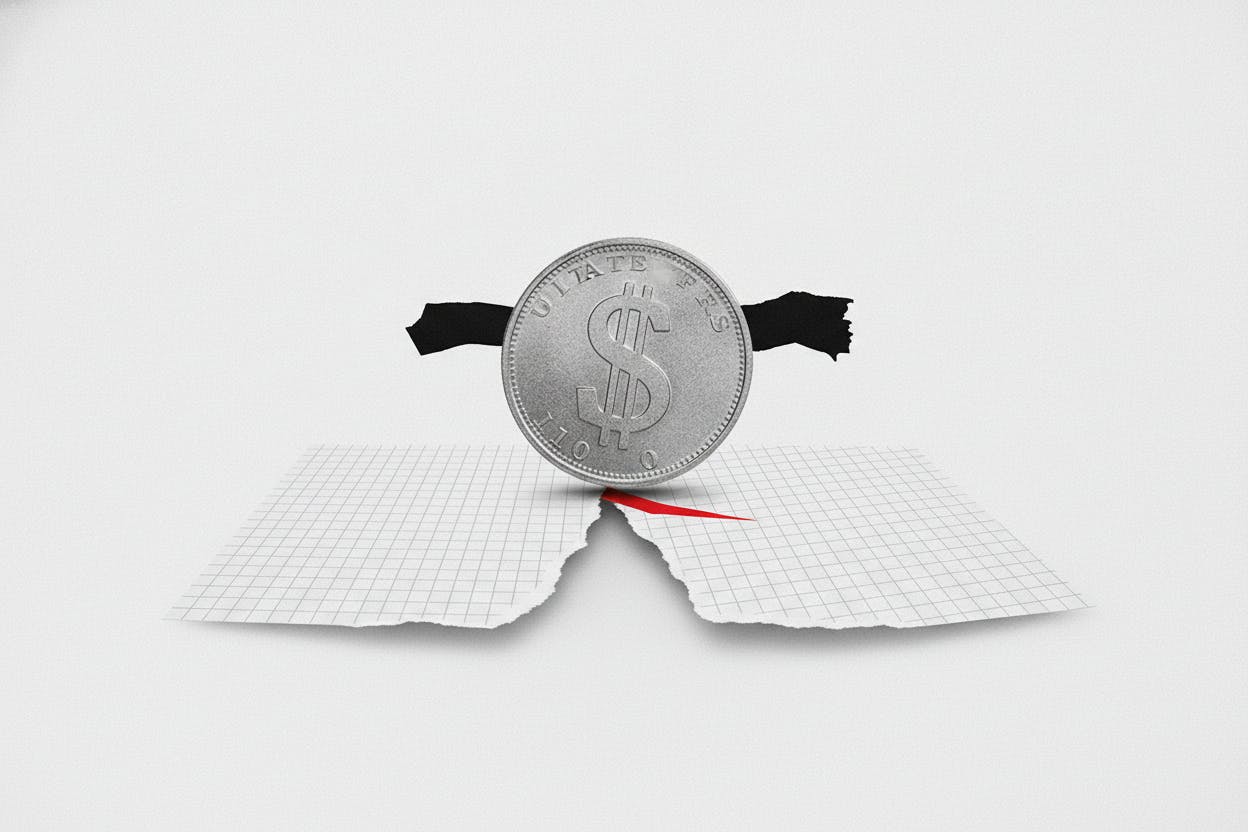
The US dollar held its ground on Friday, caught between two opposing forces: cooling inflation that slashed expectations for a July rate hike, and escalating geopolitical tensions that revived demand for safe-haven assets. The result was a currency market that looked calm on the surface but masked significant cross-currents beneath.
Inflation Data Shifts Rate Expectations
June inflation figures came in softer than expected, prompting traders to dramatically reassess the likelihood of a Federal Reserve rate increase at its July meeting. According to the CME FedWatch Tool, which tracks market pricing of future interest rate decisions, the probability of a July hike plunged to just 10%, down from 25% just a week earlier.
That shift briefly pushed the Dollar Index—a measure of the greenback against a basket of major currencies—to a one-month low. Lower interest rate expectations tend to weigh on a currency because they reduce the yield advantage of holding dollar-denominated assets.
Still, traders are not entirely ruling out tightening later this year. The FedWatch Tool continues to price in some chance of a rate increase by December. Shaun Osborne, chief currency strategist at Scotiabank, argued that those expectations may be too aggressive, given the recent softening in price pressures.
Geopolitical Jitters Rekindle Safe-Haven Demand
Just as the dollar weakened on rate expectations, a fresh wave of geopolitical anxiety gave it a lift. Reports of rising tensions in the Middle East, particularly concerns about shipping through the strategic Strait of Hormuz, pushed investors toward safer assets. The dollar, along with gold and government bonds, typically benefits during such risk-off episodes.
These developments come amid broader market unease. Oil surged 3.5% as US-Iran tensions escalated, while equity markets, particularly tech stocks, faced selling pressure. The combination of higher energy prices and geopolitical uncertainty creates a challenging backdrop for risk assets.
The Strait of Hormuz is a critical chokepoint for global oil shipments, and any disruption there could send energy prices sharply higher. That dynamic has already been playing out: oil surged past $86 as Middle East shipping risks intensified, with diesel margins hitting records.
Yen Intervention Risk Looms Large
One of the most closely watched currency pairs remains USD/JPY, which traded around 162.35 on Friday—dangerously close to the multi-decade extreme of 162.84. At these levels, the Japanese yen is under intense pressure, and officials in Tokyo have made clear they are ready to act.
Japan's finance minister reiterated that the government stands prepared to intervene in currency markets to support the yen. Japan has a history of stepping in to sell dollars and buy yen when the exchange rate moves too far, too fast. Scotiabank's Osborne used the phrase "DEFCON 1" to describe the level of alert, signaling that officials are willing to move quickly if they deem the yen's weakness excessive.
For traders, this creates what analysts call a "trapdoor" risk. Even if USD/JPY drifts higher during calm trading sessions, the threat of sudden intervention means anyone holding long dollar positions against the yen may keep tighter stop-losses or buy more protection through options. The result is a market that can appear steady day to day but is priced for abrupt downside if Japanese officials decide the current level is unacceptable.
The yen's weakness has broader implications. A cheaper yen boosts Japanese exports but raises import costs, particularly for energy and food. It also complicates the policy outlook for the Bank of Japan, which has been gradually moving away from its ultra-loose monetary stance.
What It Means for Investors
For everyday investors, the tug-of-war in currency markets highlights several important dynamics.
First, the cooling inflation data is broadly positive for risk assets like stocks, because it reduces the likelihood of further Fed tightening. Lower interest rates tend to support higher valuations, especially for growth stocks. However, the geopolitical backdrop remains uncertain, and AI stocks slid as chipmakers led a global selloff, showing that risk appetite can shift quickly.
Second, the yen's position near multi-decade lows means investors with exposure to Japanese assets—whether through stocks, bonds, or currency-hedged funds—should be aware of intervention risk. A sudden yen spike could create volatility in Japanese equities and impact returns for foreign investors.
Third, the interplay between interest rates and geopolitics is likely to remain a key theme. If Middle East tensions escalate further, safe-haven demand could keep the dollar supported even if rate hike expectations continue to fade. Conversely, a de-escalation could remove that support, leaving the dollar more exposed to the dovish rate outlook.
For now, the dollar is caught in the middle—steady, but not settled.



