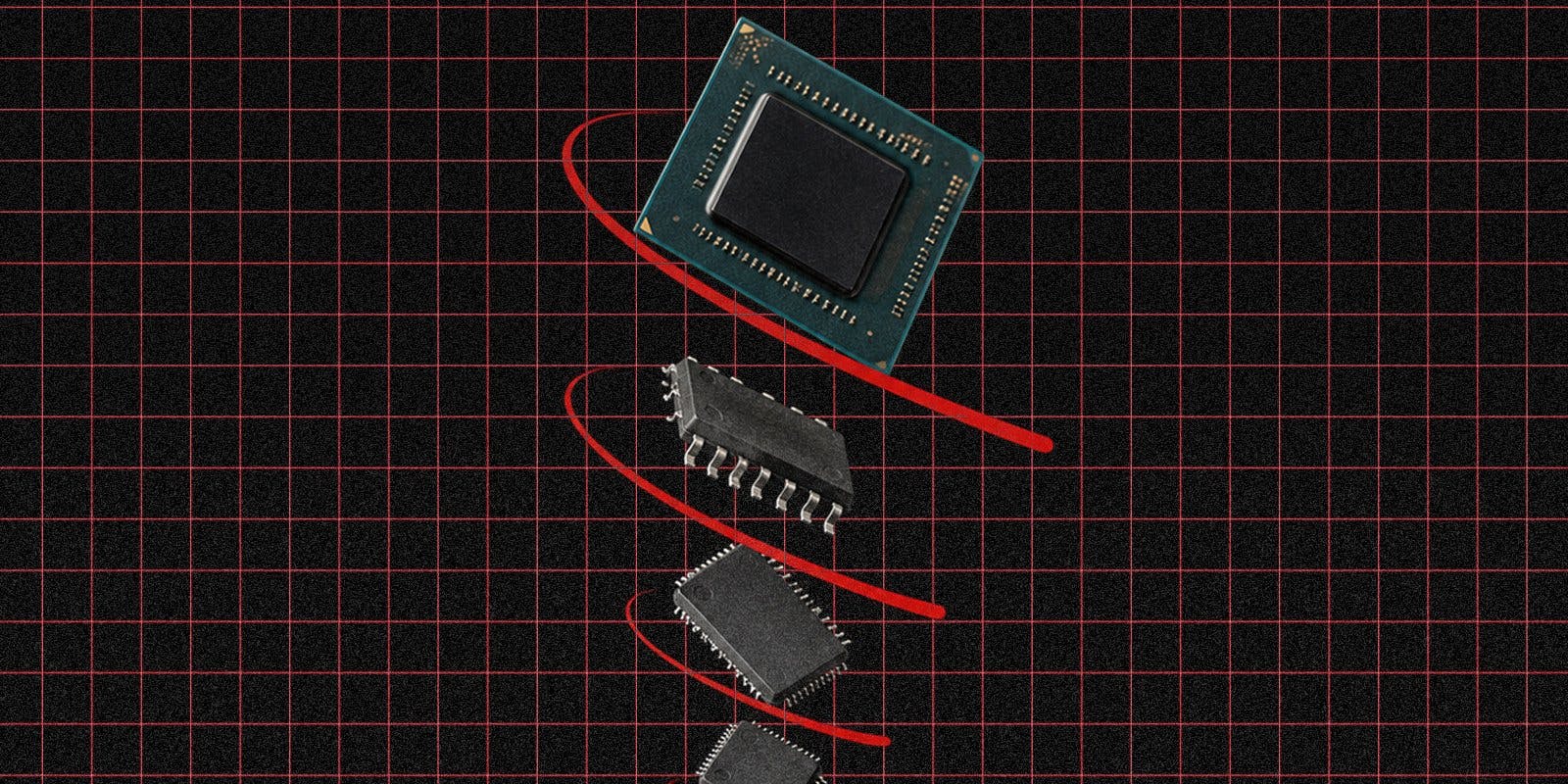
US chip stocks just suffered one of their worst weeks in more than a year, dragging global tech markets down with them. The Philadelphia Semiconductor index, a key benchmark tracking major US chip companies, fell as much as 10% this week and briefly dipped into bear market territory—defined as a drop of 20% or more from a recent peak. The index is now down 20% from its June high.
The selloff has been especially brutal for some of the biggest winners in the artificial intelligence boom. Semiconductor designer Marvell Technology and memory maker Sandisk have both tumbled more than 30% this month alone, as investors reassess the lofty valuations that had been built on AI optimism.
What Drove the Selloff?
The sharp decline in chip stocks reflects a broader shift in investor sentiment. After a year of relentless gains fueled by excitement around AI, many traders are now taking profits and reducing risk. The selloff has been amplified by leveraged bets unwinding—a dynamic where investors who borrowed money to buy stocks are forced to sell as prices fall, accelerating the downturn. For more on this, see our earlier report: AI Chip Stocks Tumble as Leveraged Bets Unwind, Index Down 9% This Week.
The pain hasn't been limited to the US. Global tech stocks have also been hit, with European and Asian markets sliding in sympathy. The selloff has been broad, affecting everything from semiconductor equipment makers to memory chip producers. For a look at how the selloff spread, check out European Stocks Slip as Tech Selloff Deepens, Oil Prices Rise Ahead of ECB Meeting.
Why Chip Stocks Matter to Everyday Investors
Chip stocks are often seen as a bellwether for the broader technology sector and the economy at large. Semiconductors are the building blocks of modern electronics—from smartphones and laptops to cars and data centers. When chip stocks fall sharply, it can signal that investors are worried about slowing demand, rising costs, or a potential economic downturn.
For ordinary investors, the recent selloff is a reminder that even the hottest sectors can cool quickly. The AI boom had driven chip stocks to extraordinary heights, with companies like Marvell and Sandisk seeing their share prices double or triple over the past year. But when sentiment shifts, the same momentum that drove prices up can also drive them down just as fast.
What It Means for Your Portfolio
If you own a diversified portfolio that includes broad market index funds or ETFs, you're likely already exposed to chip stocks through funds that track the S&P 500 or the Nasdaq. The recent selloff means your tech holdings have taken a hit, but it's important to keep perspective. Bear markets in individual sectors are common and don't necessarily signal a broader market crash.
For those who have been considering adding chip stocks to their portfolios, the current pullback might present an opportunity—but it also carries risk. The AI trade is still very much in focus, and the long-term demand for chips used in data centers, autonomous vehicles, and other AI applications remains strong. However, valuations are still elevated compared to historical averages, and further declines are possible if economic conditions worsen.
Investors should also be aware that the selloff in chip stocks has coincided with rising geopolitical tensions, particularly in the Middle East, which have pushed oil prices higher. Higher energy costs can weigh on corporate profits and consumer spending, adding another layer of uncertainty. For more on how oil prices are affecting markets, see AI Stocks Slide as Chipmakers Lead Global Selloff; Oil Jumps on Middle East Strikes.
What to Watch Next
Investors will be closely watching for any signs that the selloff is bottoming out. Key indicators include earnings reports from major chip companies, which could provide insight into demand trends, as well as economic data such as employment and inflation figures that could influence central bank policy.
The Philadelphia Semiconductor index's move into bear market territory is a significant milestone, but it doesn't necessarily mean the worst is over. Historically, bear markets in individual sectors can last anywhere from a few weeks to several months, depending on the underlying causes. For now, the best course for most investors is to stay diversified and avoid making impulsive decisions based on short-term market moves.
For a broader view of how the selloff is affecting other markets, check out TSX Slips to One-Week Low as AI Chip Stocks Retreat, Energy Shares Gain.