Copper prices are hovering just below record levels, with three-month contracts on the London Metal Exchange trading around $14,624 a ton. The metal's strength comes as supply disruptions in Chile, the world's largest copper producer, and at miner Antofagasta keep inventories tight, even as a softer dollar provides some support.
What's driving the supply crunch?
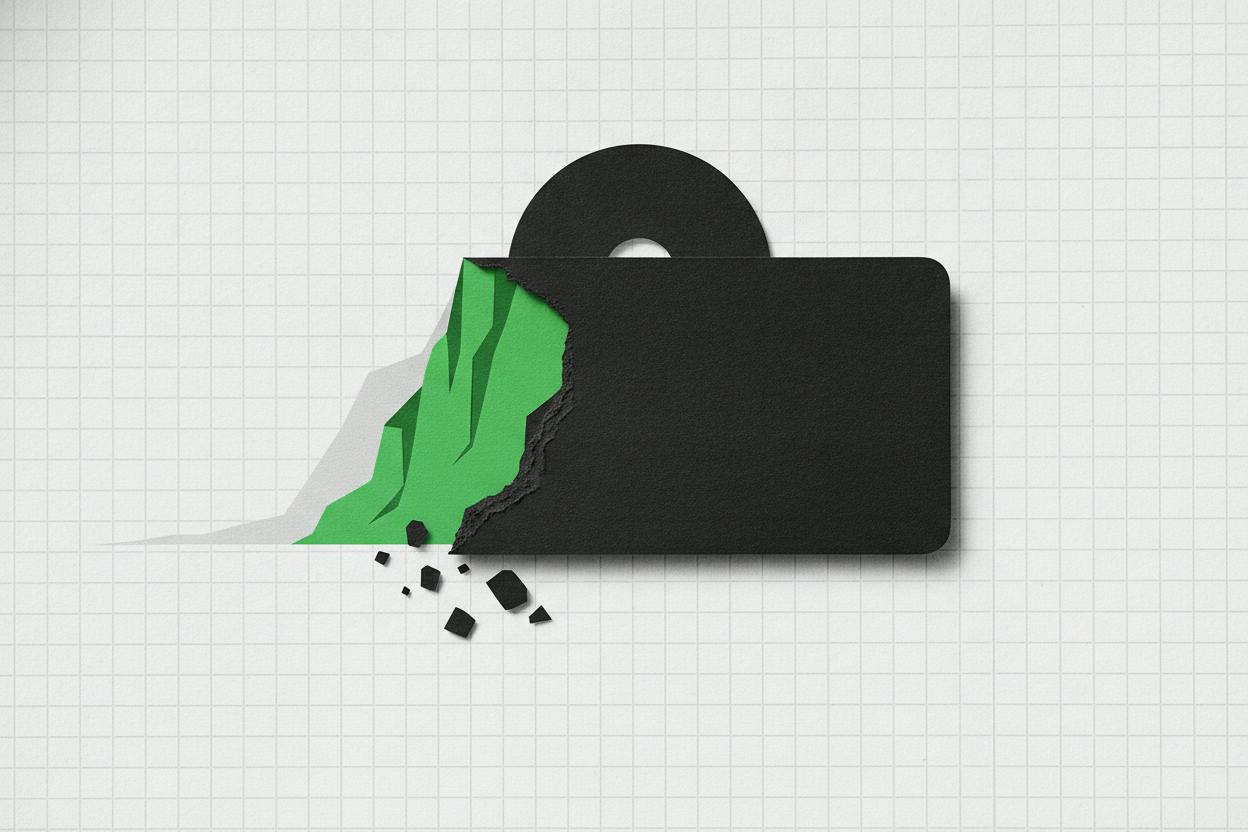
The immediate pressure is coming from the physical market. Chile's state-owned Codelco, the world's biggest copper producer, has partially suspended work at its El Teniente mine following a landslide. The mine is one of the largest underground copper operations globally, and any halt in output can quickly ripple through global supply chains.
Meanwhile, at Antofagasta's Centinela mine, a strike threat remains on the table as unions and management prepare to resume talks. Labor disputes are a recurring risk in Chile's mining sector, where workers often push for higher wages and better conditions when copper prices are elevated. If talks break down, a strike could further tighten an already stretched market.
These disruptions are happening against a backdrop of low global copper inventories. Stockpiles in LME-registered warehouses have been running at historically thin levels, leaving little buffer to absorb unexpected outages. When supply is this tight, even modest disruptions can have an outsized effect on prices.
Why the dollar matters
Copper is priced in dollars, so a weaker greenback makes the metal cheaper for buyers using other currencies, which can support demand and prices. The brief notes the dollar eased, which likely helped copper hold its ground even as broader risk-off sentiment weighed on markets.
However, the bigger driver right now is supply. While demand concerns—particularly from China, the world's top copper consumer—still linger, the immediate focus is on how quickly Chilean mines can return to full production and whether labor talks at Centinela end peacefully.
What it means for investors
For everyday investors, copper's resilience is a signal about the health of the global economy and the transition to cleaner energy. Copper is essential for electric vehicles, solar panels, wind turbines, and power grids, so demand is expected to grow over the long term. But short-term price swings are often driven by supply shocks like the ones we're seeing now.
Investors with exposure to copper through mining stocks or exchange-traded funds (ETFs) should watch a few key things:
- Labor talks at Centinela: A strike would likely push prices higher, while a quick deal could ease some upward pressure.
- Chilean mine restarts: How quickly El Teniente resumes full operations will be a key test of supply resilience.
- Global demand signals: Weak manufacturing data, especially from China, could offset supply concerns and cap price gains.
- The dollar's direction: A stronger dollar could weigh on copper, while a weaker one tends to support it.
Copper is often called "Dr. Copper" because its price is seen as a barometer for global economic health. The current tightness suggests that, at least for now, supply constraints are doing more to move the market than demand worries.
For context, copper has been in focus recently as a strong dollar offset earlier supply worries, but this time the dollar's easing is adding to the bullish case. Meanwhile, other commodity markets are also feeling the pinch of tight supply, as seen in rubber futures rising on similar dynamics.
Looking ahead, investors will be watching for updates from Chile and Antofagasta, as well as any signs of demand recovery from China. The next few weeks could be pivotal for copper's direction, with supply risks likely to keep prices elevated in the near term.
The bigger picture
Copper's strength is part of a broader trend in commodities, where supply constraints are colliding with steady demand. While the immediate focus is on Chile, other regions are also ramping up exploration, as seen in new drilling projects in Peru. But new mines take years to develop, so near-term supply is likely to remain tight.
For investors, this means copper prices could stay elevated for a while, but volatility is likely. The metal's dual role as an economic indicator and a clean-energy essential makes it a complex asset to navigate. As always, diversification and a long-term perspective are key.



