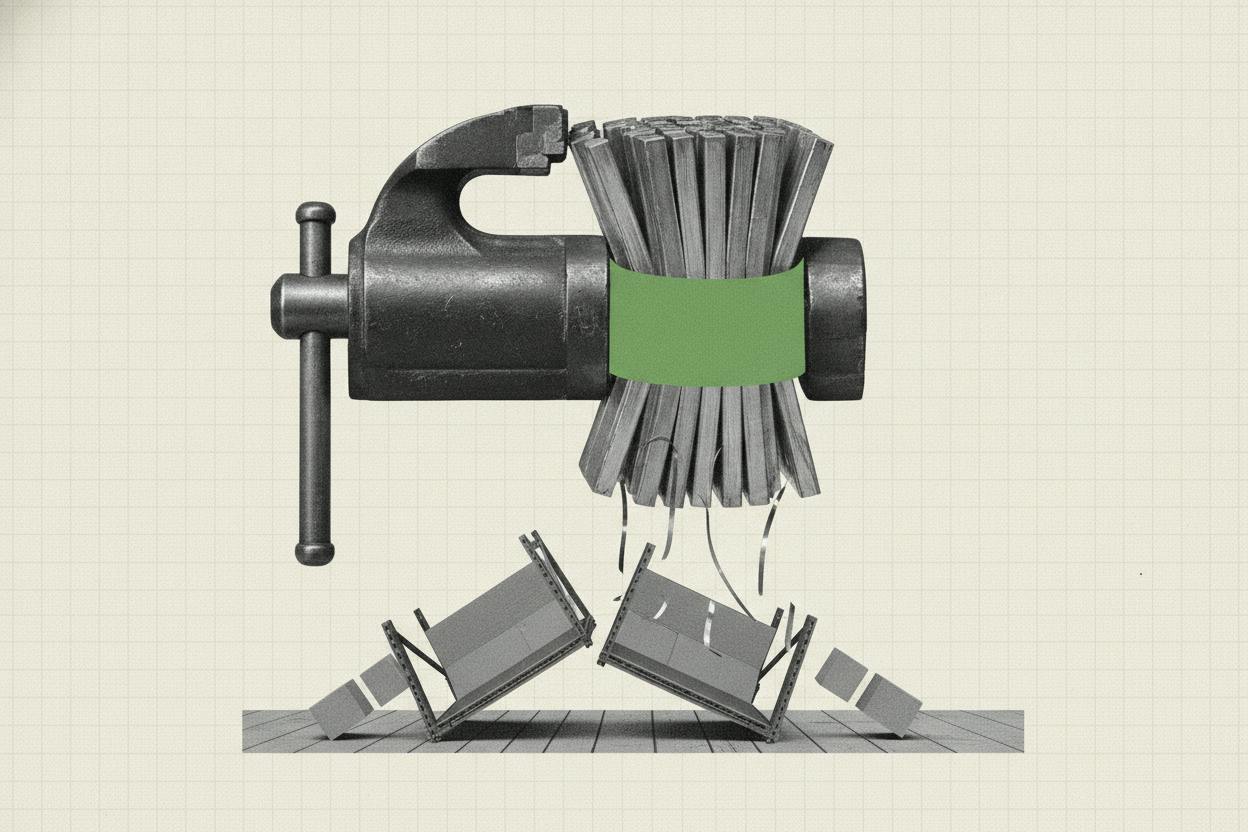
Copper prices were on track for a weekly gain this week, driven by a combination of stronger demand signals from China, tightening exchange inventories, and fresh supply disruption fears after a strike at Antofagasta, one of Chile's largest miners. The moves highlight a market that is being squeezed from both sides, with buyers eager for metal and visible stockpiles shrinking.
What's driving the copper market?
The most telling sign of demand came from China, the world's largest copper consumer. The Yangshan copper premium—a fee that importers pay to bring copper into China—jumped to $135 per ton, its highest level in four years. That premium is a closely watched gauge of how eager Chinese buyers are for foreign metal. A rising premium suggests that domestic demand is outpacing local supply, prompting traders to pay up for imports.
The spike comes as China returns from a week-long national holiday, with industrial activity resuming and manufacturers restocking. Copper is used extensively in construction, electronics, and electric vehicles, so its demand is often seen as a barometer for the health of the broader economy.
At the same time, visible inventories on the London Metal Exchange (LME) have slid to a six-week low. When stockpiles fall, it signals that metal is being drawn down rather than built up, which typically supports prices. The combination of rising import demand and falling exchange stocks points to a market that is tighter than it appears at first glance.
Supply worries add to the squeeze
On the supply side, a strike at Antofagasta's operations in Chile has raised fresh concerns about disruptions. Chile is the world's top copper producer, and any extended stoppage at a major mine can quickly ripple through global supply chains. While the strike's immediate impact on output is still unclear, the mere threat of reduced supply is enough to keep buyers on edge.
This is not the first time in recent months that supply concerns have flared. Copper miners have faced a range of challenges, from declining ore grades to labor disputes and regulatory hurdles. These structural issues have made it harder for producers to keep pace with demand, especially as the energy transition drives up the need for copper in renewable power and electric vehicles.
Investors have been watching these dynamics closely. A related development is the growing interest in copper-focused listings, such as Glencore's ASX listing, which drew strong interest as copper demand climbs. That enthusiasm reflects a broader belief that copper's long-term outlook remains solid, even if short-term price swings are common.
What it means for investors
For everyday investors, the copper market's movements matter in a few ways. First, copper prices can influence the share prices of mining companies, which are often held through exchange-traded funds (ETFs) or mutual funds. When copper prices rise, miners' profits tend to improve, which can boost their stock prices.
Second, copper is sometimes called "Dr. Copper" because its price has historically been a leading indicator of economic health. A strong copper market can signal that industrial activity is picking up, which is generally positive for global growth. However, it can also feed into inflation concerns, as higher commodity prices can push up costs for manufacturers and consumers.
For those with diversified portfolios, the copper story is a reminder of how interconnected global markets are. A strike in Chile, a holiday in China, and inventory levels in London can all move prices in a matter of days. While it's impossible to predict where copper will go next, understanding these drivers can help investors make more informed decisions.
That said, copper prices are notoriously volatile, and short-term moves can be exaggerated by speculation. Investors should be cautious about making big bets based on a single week's data. Instead, it's often wiser to consider the longer-term trends, such as the ongoing shift toward electrification and renewable energy, which are expected to keep copper demand robust for years to come.
In the near term, all eyes will be on whether the Antofagasta strike is resolved quickly and whether Chinese demand continues to strengthen. If inventories keep falling and the premium stays elevated, copper prices could remain firm. But any sudden shift in these factors could quickly change the picture.
For now, the market is telling a clear story: copper is in short supply, and buyers are willing to pay up. That's a dynamic that investors will be watching closely in the weeks ahead.