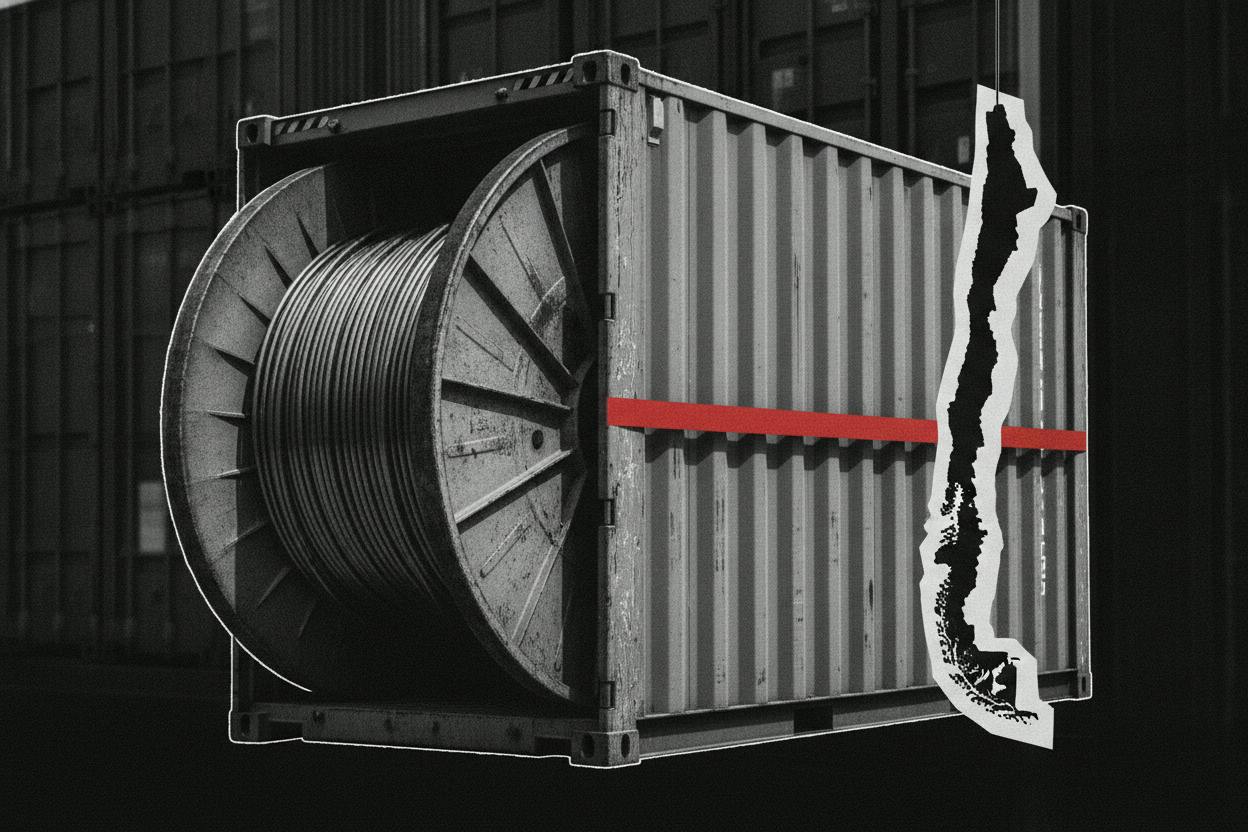
Copper prices edged higher on Tuesday, with three-month copper on the London Metal Exchange (LME) climbing 1.4%. The move came as Chile, the world's largest copper producer, downgraded its production forecast and the US dollar softened, making dollar-priced metals cheaper for overseas buyers.
The gain is notable because it happened even as copper stockpiles in exchange warehouses are growing. LME inventories rose to 293,775 metric tons after 20,500 tons were delivered into warehouses in New Orleans. Normally, rising inventories signal ample supply and tend to push prices down. But this time, the market is looking past the headline numbers.
Why rising stockpiles aren't cooling prices
Investment bank Morgan Stanley noted that the market is treating US-held inventory as “largely unavailable for now.” That's because tariff uncertainty has pulled a significant amount of copper into COMEX-approved warehouses in the United States, where it is effectively locked away from the global market.
In plain terms: even though total stockpiles are rising, the copper sitting in US warehouses may not be easily accessible to buyers elsewhere. That means the physical market outside the US could still be tight, which supports prices.
This dynamic is a direct result of trade policy. When tariffs on metals are threatened or imposed, traders often rush to move metal into US warehouses to avoid potential duties. That creates a two-tier market: one for US-bound copper and another for the rest of the world.
Chile's output downgrade adds to supply concerns
Chile's decision to lower its production outlook adds another layer of support. The country is a dominant force in global copper mining, so any reduction in its expected output can have a meaningful impact on global supply expectations. While the brief doesn't specify the size of the downgrade, even a modest revision can shift market sentiment.
Copper is often seen as a barometer for the global economy because it is used in everything from construction and electronics to electric vehicles and power grids. When supply expectations tighten, prices tend to rise, which can feed into higher costs for manufacturers and, eventually, consumers.
What it means for investors
For everyday investors, copper's move is a reminder that commodity prices are driven by a mix of supply, demand, and currency dynamics. A weaker dollar makes commodities like copper more attractive to buyers using other currencies, which can boost demand and lift prices.
But the bigger story here is the interplay between tariffs and physical supply. Even with inventories building, the market is signaling that not all copper is equally available. That could keep prices elevated in the near term, which is good news for mining companies but a potential cost pressure for manufacturers.
Investors with exposure to copper miners or copper-linked ETFs may see some benefit from these price moves. However, it's important to remember that commodity prices are volatile and can reverse quickly if trade policies change or if global demand weakens.
For context, copper's rise comes alongside other commodity moves. In a related development, Canadian stocks rose as copper lifted metals, while oil prices tumbled on news of Iran talks. That divergence highlights how different commodities are reacting to their own supply and demand dynamics.
Looking ahead, investors will be watching for any further updates on US tariff policy, as well as Chile's production numbers. If tariffs remain in place, the disconnect between US and global copper markets could persist, keeping prices supported. On the other hand, a resolution to trade tensions could release some of that locked-up inventory and put downward pressure on prices.
For now, the market is betting that supply constraints will outweigh the swelling stockpiles. That's a bet that could pay off in the short term, but it's one that hinges on policy decisions that are hard to predict.