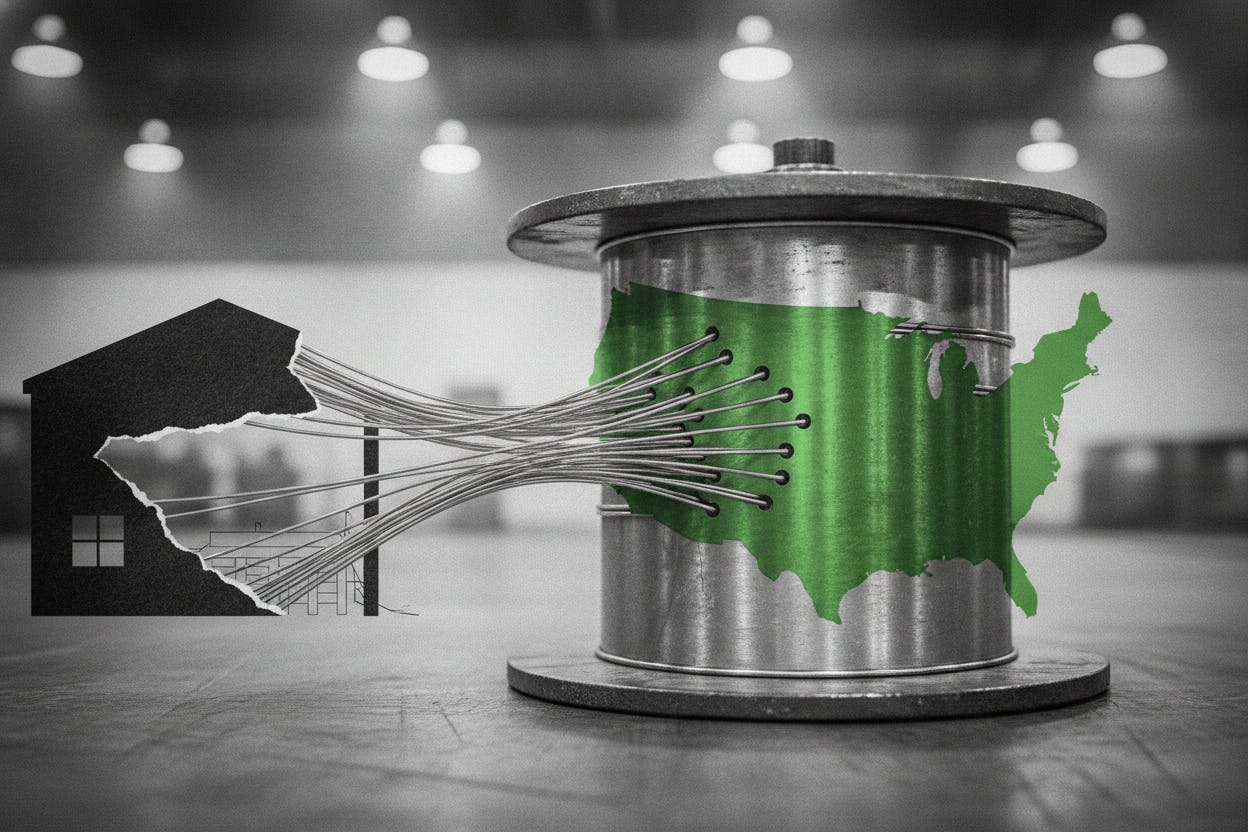
Copper prices slipped on Monday as stronger-than-expected US jobs data revived expectations that the Federal Reserve could raise interest rates again in September. The move highlights the metal's sensitivity to monetary policy, even as physical supply outside the US remains tight.
What's driving copper lower?
The latest US payrolls report showed the labor market remains resilient, prompting traders to increase bets on another rate hike at the Fed's September meeting. Higher interest rates tend to strengthen the US dollar and raise borrowing costs, which can cool demand for industrial commodities like copper. A stronger dollar makes dollar-priced metals more expensive for buyers using other currencies, while tighter financial conditions can slow construction and manufacturing activity that drives copper consumption.
This macro pressure is pulling copper prices down, but the metal is also being supported by a very different force: the physical market. According to Reuters, copper continues to flow into the United States, drawn by higher prices there, while inventories in other regions are thinning. That suggests that outside the US, supply is genuinely tight, with warehouses running low on available metal.
The tug-of-war: macro vs. physical
Copper is caught between two opposing forces. On one side, the macro outlook—shaped by Fed policy and the dollar—is weighing on prices. On the other, the physical market is showing signs of scarcity, which typically supports prices. This kind of divergence can lead to volatile trading, as investors try to gauge which force will dominate.
For everyday investors, copper is often seen as a barometer for global economic health. When demand for copper rises, it usually signals that factories are humming and infrastructure projects are underway. When prices fall, it can indicate concerns about growth. But copper is also a financial asset, traded on futures exchanges, so its price is influenced by interest rates, currency moves, and investor sentiment—not just supply and demand for the metal itself.
The recent jobs data has also affected other markets. Strong August jobs data raised rate-hike odds and prompted some central banks to adjust their bond holdings. Similarly, gold slid 2% as the same rate-hike expectations weighed on precious metals. The dollar's movement is a key factor across commodities, as seen in how the dollar slipped when oil inflation fears and a firmer yen offset some of the rate-hike odds.
What it means for investors
For investors, the current copper market illustrates the importance of distinguishing between macro-driven price moves and underlying physical fundamentals. If you own copper-related stocks or exchange-traded funds (ETFs), you should be aware that prices can be swayed by Fed policy expectations, which may not reflect the actual supply-demand balance.
The tightness outside the US could eventually support prices, especially if global demand remains steady. However, if the Fed does raise rates in September, the dollar could strengthen further, putting additional downward pressure on copper. Conversely, if the Fed holds off, copper might rebound as the macro headwind fades.
Investors should also watch inventory data and import flows, as these provide clues about the physical market. A continued drawdown in global inventories could signal that supply is genuinely constrained, which might offset some of the macro-driven weakness.
It's also worth noting that copper is often seen as a leading indicator for the broader economy. A sustained decline in copper prices could hint at slowing global growth, while a rebound might suggest resilience. But given the current tug-of-war, it's wise to treat copper's moves with caution.
As always, this is not a recommendation to buy or sell any asset. Instead, use this information to understand the forces at play and how they might affect your portfolio. If you're invested in copper or industrial metals, keep an eye on Fed speeches, upcoming economic data, and inventory reports for clues about the next direction.



