Copper prices edged lower on Tuesday as a firmer US dollar and fresh concerns about global economic growth dampened demand, pulling the metal back from a recent rally driven by supply constraints.
Three-month copper on the London Metal Exchange (LME) slipped 0.4% to $14,080 a metric ton, pausing after hitting a six-month high last week. The pullback comes as investors weigh the impact of a stronger greenback and ongoing geopolitical tensions in the Middle East.
Why the dollar matters for copper
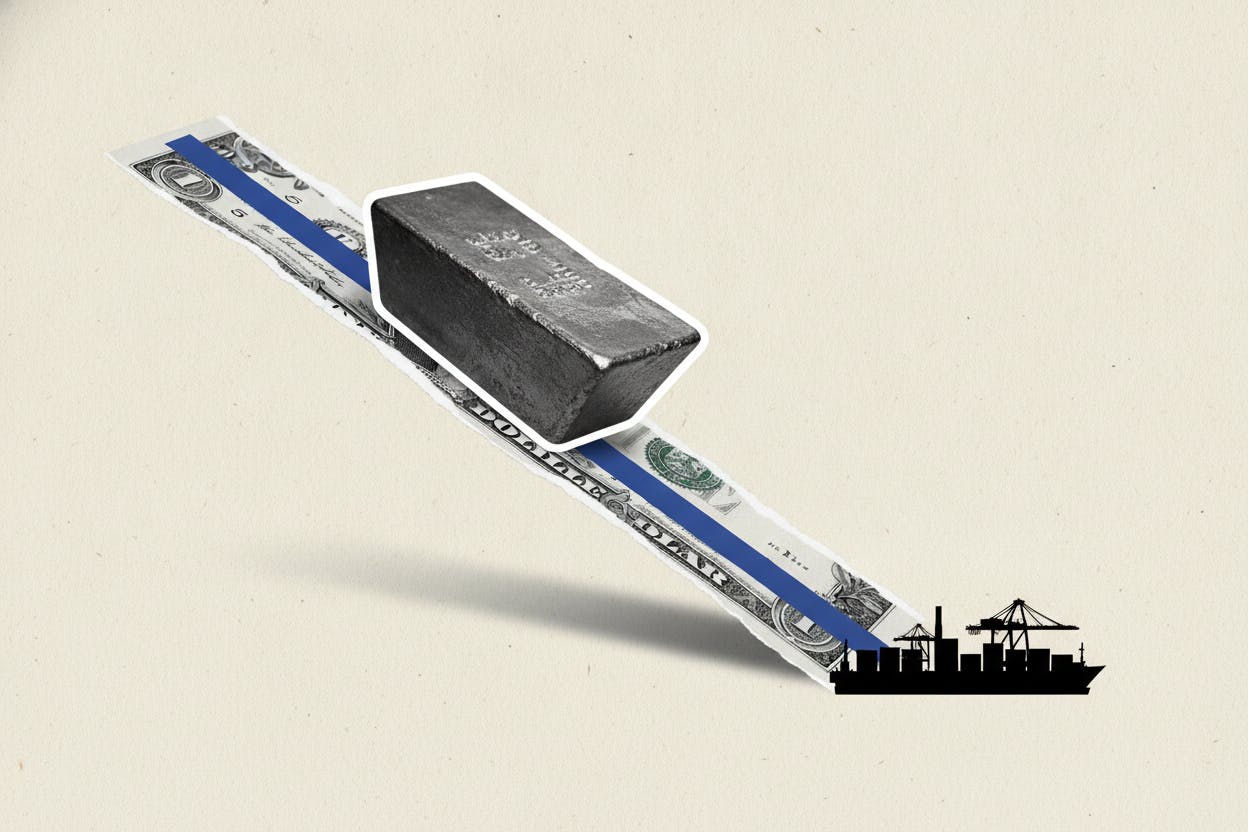
Copper is priced in US dollars on global exchanges, so when the dollar strengthens, it becomes more expensive for buyers using other currencies. That tends to weigh on demand, particularly from major importers like China, which accounts for a large share of global copper consumption.
The demand wobble was most visible in China. The most-traded copper contract on the Shanghai Futures Exchange (SHFE) fell 0.7% to 107,410 yuan a ton. The Yangshan premium—an extra charge that buyers in China pay for imported copper—also softened, a sign that import appetite is cooling.
Last week's rally had been fueled by tightening inventories and supply disruptions, but the latest move suggests that demand concerns are now taking center stage. Investors are also keeping an eye on the Middle East conflict, which has added a layer of uncertainty to global markets.
What this means for investors
For everyday investors, copper is often seen as a bellwether for the global economy because it is used in everything from construction to electronics. A sustained drop in copper prices could signal weaker industrial activity ahead, while a rebound might suggest demand is holding up better than feared.
The metal's recent volatility also highlights how currency moves and geopolitical events can ripple through commodity markets. A stronger dollar can pressure not just copper but other dollar-priced commodities like oil and gold.
Investors with exposure to copper miners or exchange-traded funds that track the metal should watch for further signals on global growth and Chinese demand. The upcoming US inflation data could also influence the dollar's direction, which in turn may affect copper prices.
Related coverage: Antofagasta's copper profits rise, but 2026 output forecast cut shows how major producers are navigating the current market. Meanwhile, oil slipped to $88.87 as a big US stock build offset Hormuz supply fears, another sign of how geopolitical risks are being priced.
For a broader view, ASX 200 slips as US inflation keeps Fed on hold and TSX futures edge up as oil slips and US PPI data looms offer insight into how markets are reacting to the same macro forces.
As always, it's important to remember that commodity prices can be volatile, and short-term moves don't always reflect long-term trends. Investors should focus on their own financial goals and risk tolerance rather than reacting to daily price swings.