Oil prices eased on [day] as traders weighed a hefty build in US crude inventories and softer global demand forecasts against persistent supply risks from the still-blockaded Strait of Hormuz. Brent crude, the international benchmark, slipped to $88.87 a barrel, reflecting a market caught between two powerful forces.
On one hand, the US Energy Information Administration reported a 17.4 million-barrel increase in crude stockpiles—a much larger build than analysts had expected. That suggests near-term supply is ample, at least in the world's largest economy. On the other, both OPEC and the International Energy Agency (IEA) trimmed their demand growth forecasts for the coming months, citing a sluggish global economy and weaker industrial activity.
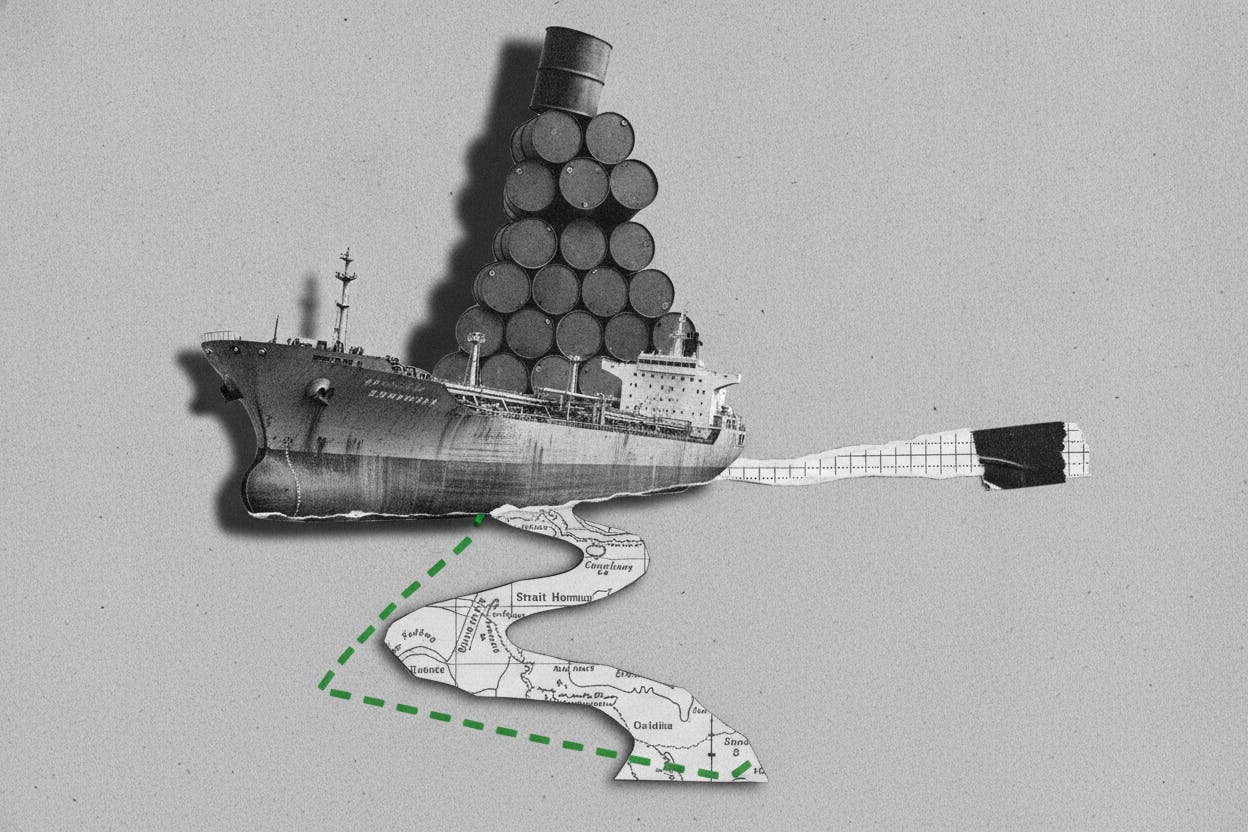
Yet the supply side remains tense. The Strait of Hormuz, a narrow waterway between Iran and Oman, is a critical chokepoint for global oil shipments. Roughly one-fifth of the world's petroleum passes through it. With the strait still effectively blocked, traders are wary that any disruption could quickly tighten supplies and send prices spiking.
Why the Hormuz disruption matters
The Strait of Hormuz is not just another shipping lane. It is the single most important oil transit point on the planet. Most crude exported from Saudi Arabia, Iraq, the UAE, and other Gulf producers flows through it. A prolonged closure would force tankers to take longer, costlier routes—or stop shipments altogether.
That is why even a hint of trouble in the strait can move prices. But the market's reaction this time has been muted, at least so far. The reason: the inventory build and weaker demand outlook are giving traders enough confidence that the world can absorb some supply loss without a major shortage.
Still, the risk is real. A UK Treasury warning has highlighted how a sustained Hormuz disruption could slash economic growth to just 0.3% in some scenarios. That kind of shock would ripple far beyond oil markets, hitting everything from shipping costs to inflation.
What the inventory build and demand forecasts tell us
The 17.4 million-barrel build in US crude stocks is a signal that supply is currently outpacing demand. When inventories rise, it usually points to softer consumption or stronger production—or both. For everyday drivers, that can mean lower gasoline prices at the pump, at least in the near term.
But the demand picture is more complicated. OPEC and the IEA both lowered their forecasts for global oil demand growth. That reflects a cooling global economy, with high interest rates in many countries weighing on business activity and consumer spending. In the US, cooling inflation has eased expectations of further rate hikes, but the lag effect of past increases is still being felt.
For investors, the key takeaway is that oil prices are being pulled in opposite directions. Supply fears from Hormuz push prices up; demand worries and ample inventories push them down. The result is a market that could swing sharply on any new headline.
What it means for investors
For everyday investors, oil prices matter in several ways. They directly affect the cost of gasoline, heating oil, and many goods that rely on transportation. They also influence the earnings of energy companies, from giants like ExxonMobil to smaller producers. And they feed into inflation, which central banks watch closely when setting interest rates.
If oil prices stay around $88 a barrel, that is neither a crisis nor a bargain. It is a level that keeps energy costs elevated but not extreme. However, if the Hormuz situation escalates, prices could jump quickly. Conversely, if demand keeps weakening, prices could fall further.
Investors should also keep an eye on how this plays out in the broader economy. A sustained rise in oil prices would add to inflationary pressures, potentially prompting central banks to keep rates higher for longer. That would affect bond yields, stock valuations, and borrowing costs for consumers and businesses.
For now, the market is in a holding pattern, waiting for clearer signals on both supply and demand. The next few weeks could bring more clarity—or more volatility.