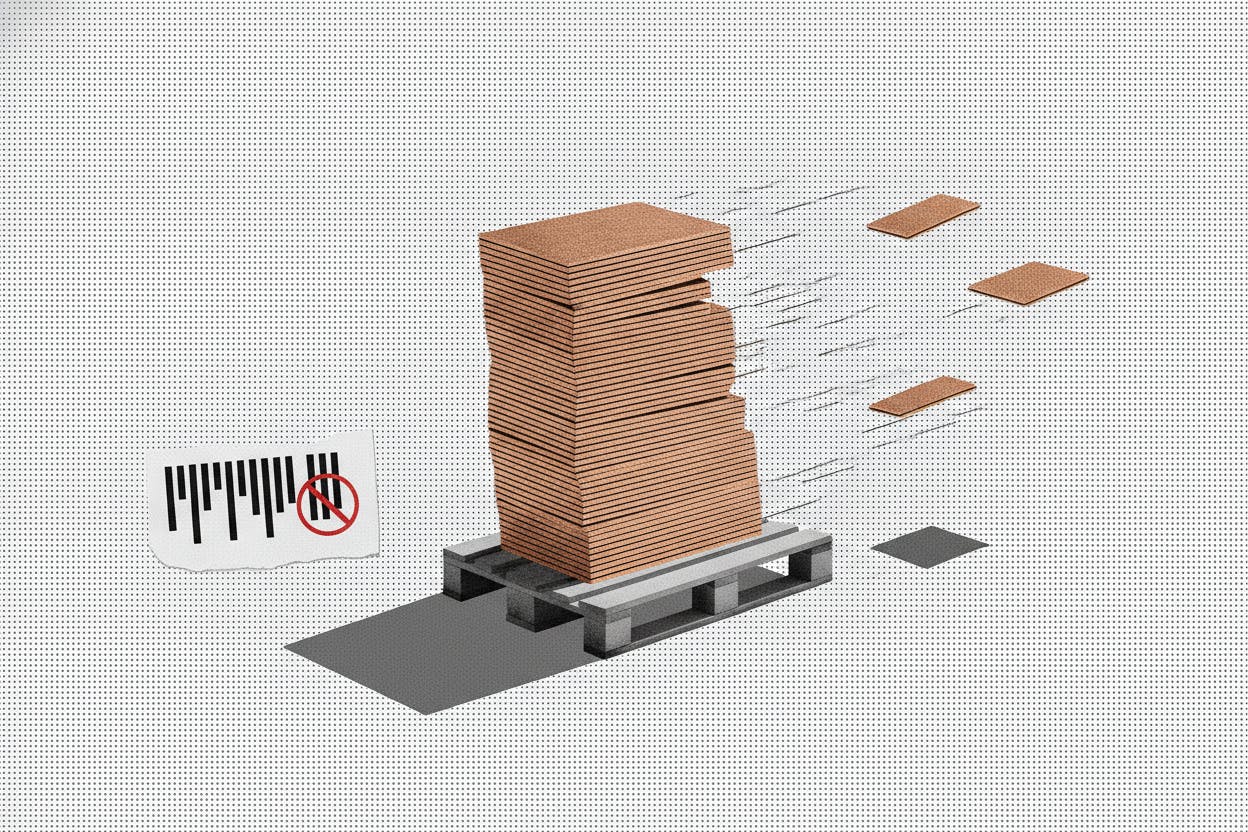
Copper prices have pushed back above $14,000 a ton, and fresh data from the London Metal Exchange (LME) helps explain why. Deliverable stock in exchange warehouses is still shrinking fast, a sign that physical demand is absorbing available metal and leaving less to back futures contracts.
According to LME data cited by Reuters, another 7,225 tons of copper was queued for withdrawal this week, bringing "available" inventory down to 94,200 tons. That is a sharp drawdown from recent levels and points to a market where buyers are actively pulling metal out of the exchange system.
What the inventory drain means
When the LME records a "withdrawal" order, it means metal is being taken out of exchange warehouses, reducing the amount that can be delivered against futures contracts. Falling available inventory is often read as a sign of tight physical supply, because it suggests that producers, traders, or manufacturers are absorbing metal faster than it is being replenished.
That tightness shows up first in the price spread between cash copper (for immediate delivery) and the three-month futures contract. This week, that spread widened to a premium of $105 per ton, meaning buyers are willing to pay more for metal today than for delivery later. Such a backwardation—when near-term prices exceed longer-dated ones—is a classic signal of nearby scarcity.
For everyday investors, the copper market can be a useful barometer for global economic health. Copper is used extensively in construction, electronics, and increasingly in renewable energy infrastructure, so its price often rises when industrial activity is strong and falls when demand weakens.
Aluminum also nudged higher
The same LME report showed aluminum prices edging up as well, partly due to uncertainty in the Middle East. Geopolitical tensions in the region can affect shipping routes and energy costs, both of which influence aluminum production and transport. While the move was modest, it underscores how supply-side risks can ripple through industrial metals.
Aluminum is another key input for manufacturing and packaging, and its price movements often track broader industrial sentiment. For investors, a sustained rise in both copper and aluminum could signal that global manufacturing is picking up, though it also raises input costs for companies that rely heavily on these metals.
What it means for investors
For those with exposure to mining stocks, the copper rally is generally positive. Miners that produce copper benefit directly from higher prices, and the recent strength has already lifted some Latin American miners, as noted in our earlier coverage of copper's rally lifting miners. However, investors should remember that commodity prices are volatile and can reverse quickly if demand falters or supply returns.
For broader equity markets, rising copper prices can be a double-edged sword. On one hand, they reflect healthy industrial demand; on the other, they can squeeze margins for manufacturers and construction firms. The current tightness in LME stocks suggests that the market is pricing in near-term supply constraints, but whether that persists depends on factors like Chinese demand, mine output, and global trade policy.
Investors should also keep an eye on the broader geopolitical backdrop. Middle East uncertainty has been a recurring theme in commodity markets, and any escalation could push prices higher, while a de-escalation—such as the reopening hopes for the Strait of Hormuz—could ease pressure. Our recent piece on Hormuz reopening hopes highlights how such developments can shift sentiment quickly.
Looking ahead
The key question for copper traders is whether the inventory drain will continue. If withdrawals keep pace, the cash-to-three-month premium could widen further, potentially attracting more metal to the LME system as holders seek to profit from higher nearby prices. That, in turn, could eventually ease the tightness.
For now, the market is clearly focused on supply. With available LME stocks at 94,200 tons—a level that is low by historical standards—any additional disruption could push prices higher. Conversely, a sudden wave of deliveries into warehouses would likely cool the rally.
For everyday investors, the takeaway is that copper's move above $14,000 is not just a headline number. It reflects real physical tightness in the market, which has implications for miners, manufacturers, and the broader economy. As always, it's wise to watch how these dynamics evolve rather than react to a single day's price move.