Two of the biggest names in the artificial intelligence infrastructure business just gave investors a clearer picture of the AI buildout: computing power is still in short supply, and customers are willing to pay up to secure it.
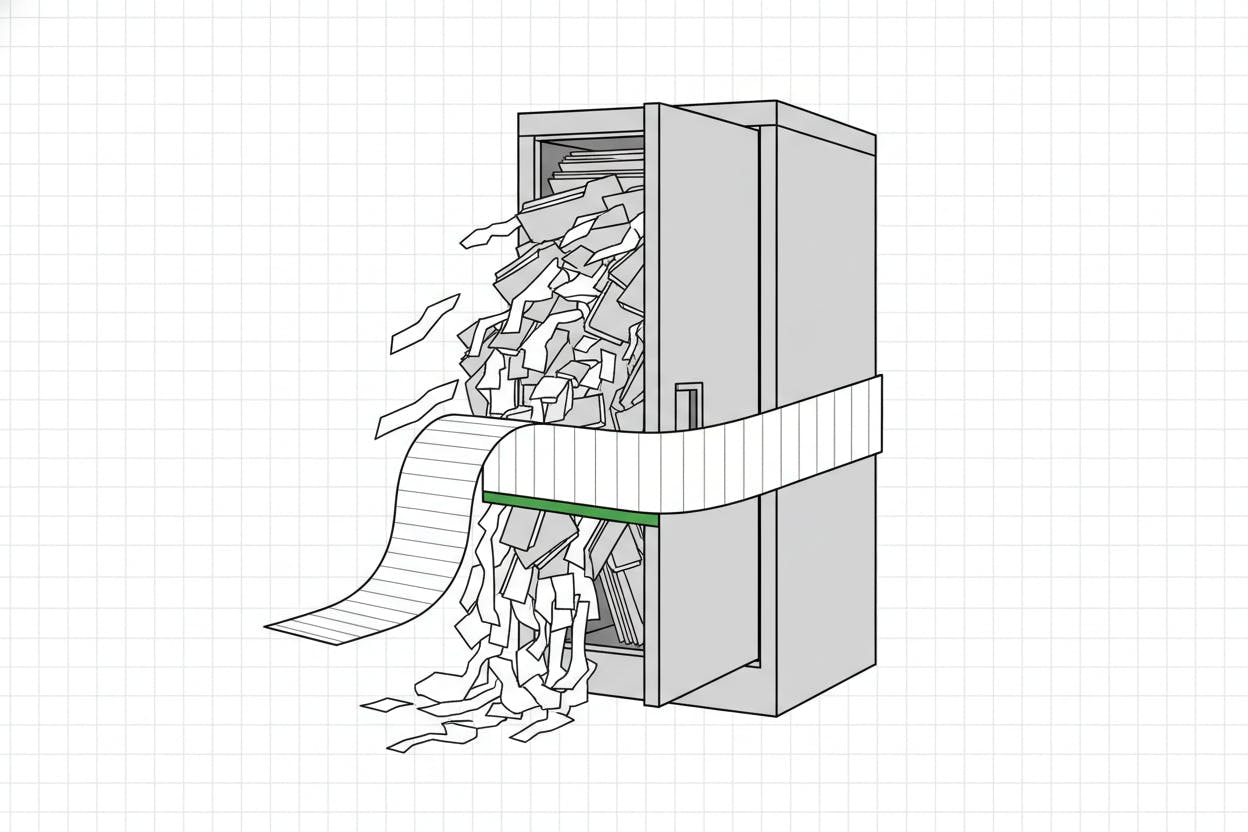
CoreWeave, a cloud provider that rents out data-center capacity to AI companies, raised its revenue and capital spending forecasts and said its near-term capacity is effectively sold out. Meanwhile, Super Micro Computer, a maker of high-performance servers, pointed to stronger margins and higher revenue expectations for 2027.
Together, the updates suggest that the boom in AI computing demand is not fading. If anything, the companies are signaling that the scramble for processing power is intensifying.
What's driving the demand?
AI models, especially large language models like the ones behind chatbots and image generators, require enormous amounts of computing power to train and run. That has created a surge in demand for specialized chips, servers, and the data centers that house them.
CoreWeave is one of the companies that has ridden that wave. It builds and operates data centers specifically designed for AI workloads, and it leases that capacity to customers on a subscription basis. The company's comment that near-term capacity is sold out means that, for the next several quarters, it has already committed its available computing power to paying customers.
Super Micro, often called Supermicro, sells the servers and storage systems that go into those data centers. Its products are popular with AI companies because they can be customized and deployed quickly. The company's expectation of stronger margins suggests it is able to charge more for its gear, or that its costs are under control, or both.
These signals echo what other companies in the AI supply chain have been saying. For example, Foxconn recently reported a big profit jump on the back of AI server demand, and South Korean chip stocks rallied on similar signals. The pattern is consistent: the companies that build the physical infrastructure for AI are seeing strong order books.
What it means for investors
For everyday investors, the key takeaway is that the AI trade is not just about the big tech companies that develop the models. It also extends to the companies that supply the hardware and cloud capacity underneath.
When a company like CoreWeave says its capacity is sold out, it means that revenue is already locked in for the near term. That reduces some of the uncertainty about future earnings, which is one reason investors tend to react positively to such news.
Super Micro's improved margin outlook is also a positive sign. Margins are a measure of how much profit a company keeps from each dollar of sales. If Super Micro can maintain or improve its margins while growing revenue, that could translate into higher profits down the road.
However, there are risks. The AI buildout is capital-intensive. CoreWeave's higher spending forecast means it will need to invest heavily in new data centers, which could weigh on cash flow in the short term. If demand were to suddenly cool, those investments could become a burden.
There is also the question of competition. The market for AI cloud services and servers is crowded, with players like Amazon, Microsoft, and Google also investing heavily in their own infrastructure. New entrants are also emerging, some of them securing energy resources to power their data centers.
What to watch next
Investors will be watching to see if other companies in the AI supply chain confirm the same picture. Chipmakers like Nvidia, which makes the GPUs that are the workhorses of AI computing, are likely to benefit if demand remains tight. So are companies that provide cooling, power, and networking equipment for data centers.
Earnings season will provide more clues. When companies like Okta and others report, investors will look for any signs of softening in tech spending. But for now, the signals from CoreWeave and Super Micro point in one direction: the AI compute crunch is not over.
For the average investor, the lesson is to understand that the AI boom is not a single stock or a single sector. It is a broad trend that touches cloud providers, server makers, chip designers, and even energy companies. Diversification across these areas can help capture the upside while managing the risks.
As always, it's important to remember that past performance is not a guarantee of future results. The AI buildout could continue for years, or it could hit a speed bump. But for now, the companies that are building the infrastructure are telling investors that demand is strong and that they are being paid for it.