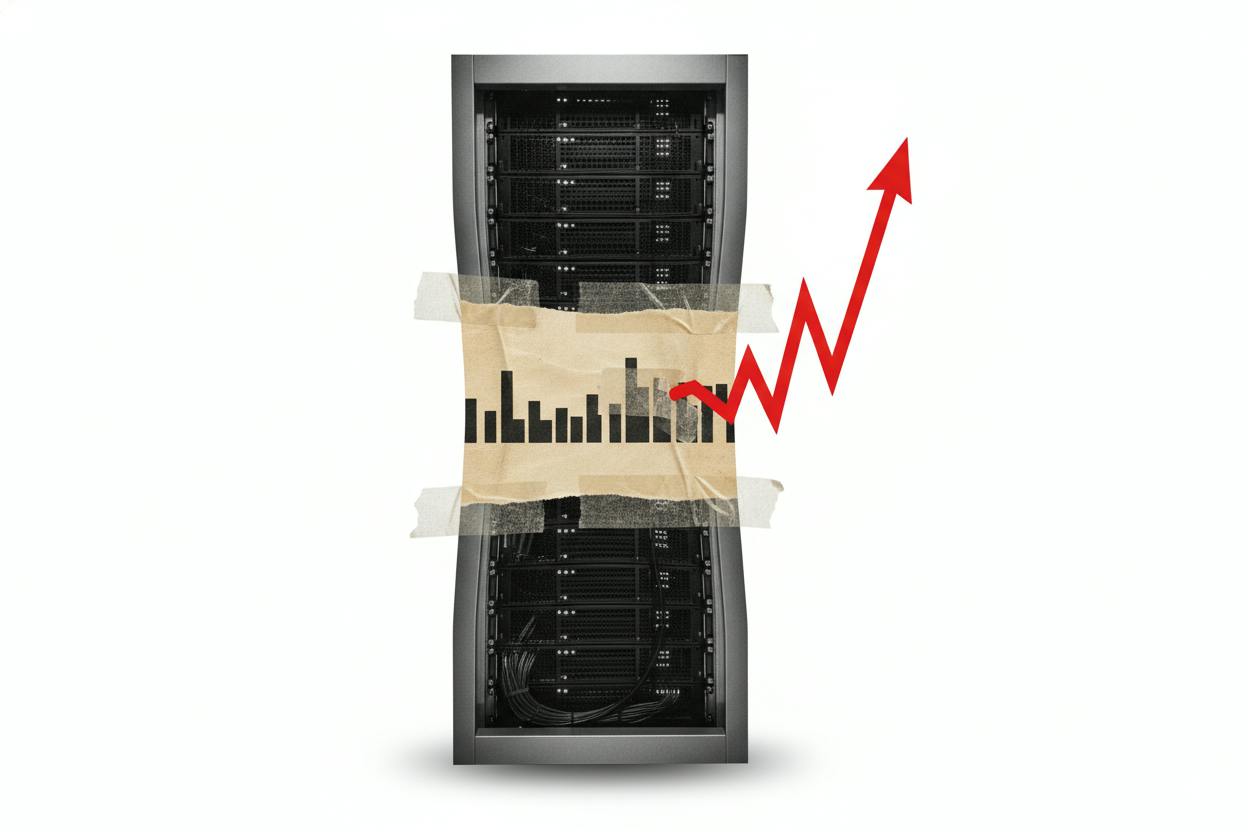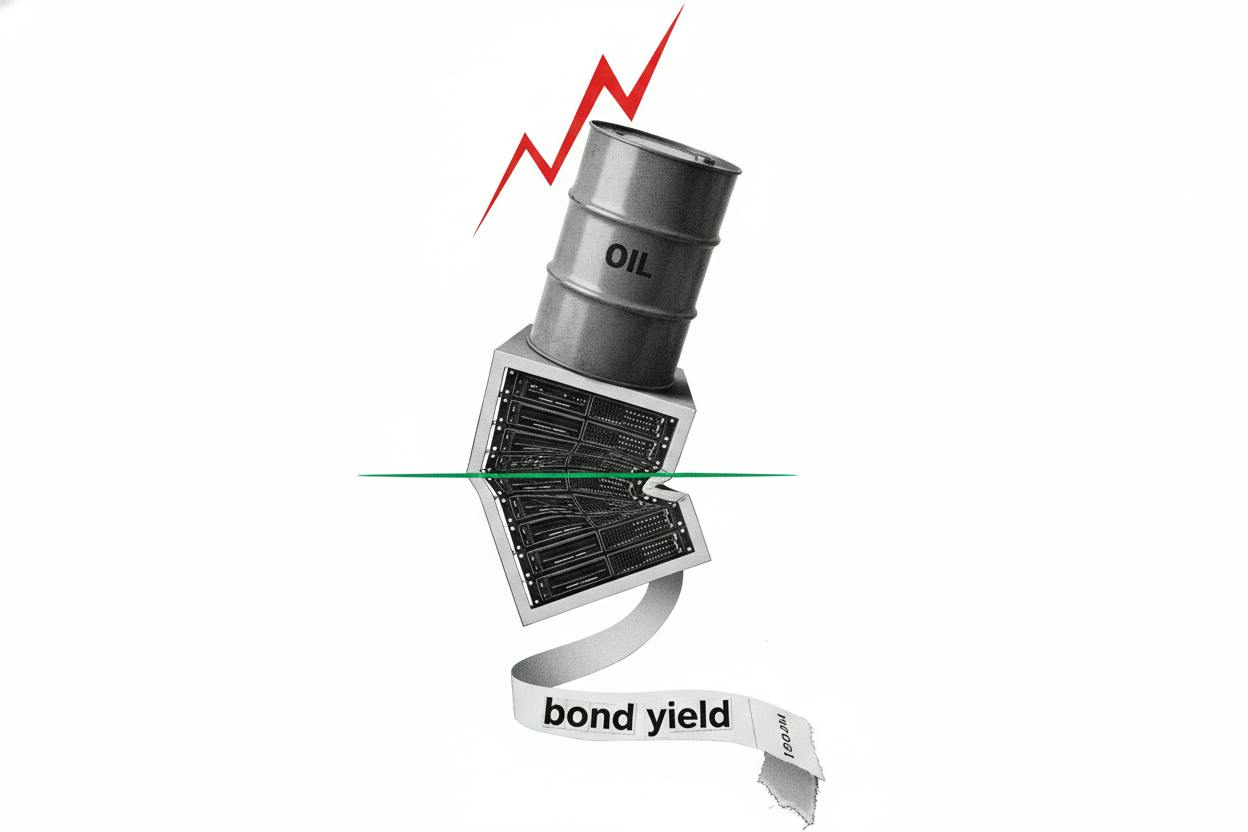
Wall Street's AI trade took another hit on Tuesday as shares of CoreWeave, a cloud-computing company that has become a symbol of the AI boom, fell 12%. The sell-off came as the company's bond yields topped 15%, a level that signals deep investor concern about its ability to manage its heavy debt load.
The drop was part of a broader risk-off mood on Wall Street, where oil prices spiked above $100 and borrowing costs climbed. Traders are increasingly worried that a combination of higher energy prices and higher interest rates could squeeze the companies that have borrowed heavily to fund their AI ambitions.
Why CoreWeave's bonds matter
CoreWeave is a cloud provider that rents out powerful computer chips, mostly to AI startups and larger tech firms. To build out its data centers and buy the expensive chips needed to power AI models, the company has taken on a significant amount of debt. That debt is now being priced by bond investors, and the recent jump in yields—above 15%—is a red flag.
Bond yields rise when investors demand a higher return to hold a company's debt, usually because they see more risk. A yield above 15% is extremely high for a corporate bond, indicating that the market views CoreWeave as a much riskier bet than it did just a few months ago. For comparison, most investment-grade corporate bonds yield well under 5%, and even many junk bonds yield in the 6% to 8% range.
The higher yield also means that if CoreWeave needs to refinance its debt, it will have to pay much more in interest, which could eat into its profits and strain its cash flow. That's a particular concern for a company that is still growing and may not yet be generating consistent profits.
The AI trade faces a new test
The sell-off in CoreWeave is part of a broader wobble in AI-related stocks. Mega-cap tech stocks have been sliding as yields climb, and investors are starting to question whether the massive spending on AI infrastructure will pay off.
Adding to the pressure, CoreWeave's co-founders have sold billions of dollars in stock in recent weeks, a move that often spooks investors because it can signal that insiders think the shares are fully valued. The company's CEO also cashed out nearly $1 billion, according to earlier reports.
At the same time, oil prices have climbed back above $100, driven by supply concerns and geopolitical tensions. Higher energy costs are a double-edged sword for AI companies: they raise the cost of running power-hungry data centers, and they add to inflation, which pushes central banks to keep interest rates higher for longer.
What it means for everyday investors
For ordinary investors, the CoreWeave sell-off is a reminder that the AI trade is not a one-way bet. While AI has the potential to transform industries, many of the companies building the infrastructure are taking on significant debt to do so. That debt becomes more expensive when interest rates rise, and higher energy costs can squeeze their margins.
If you own AI stocks directly or through a fund, it's worth paying attention to how much debt those companies carry. Companies with strong balance sheets and steady cash flow are generally better positioned to weather a period of higher rates and energy costs. Those with heavy debt loads, like CoreWeave, are more vulnerable.
It's also important to remember that bond yields are a leading indicator. When bond investors start demanding higher returns, it often signals trouble ahead for the stock. The fact that CoreWeave's bonds are yielding over 15% suggests that the market is pricing in a real risk of financial distress.
What to watch next
Investors will be watching whether the sell-off spreads to other AI names, especially those with similar debt profiles. They'll also be keeping an eye on oil prices and the Federal Reserve's next moves. If energy costs stay high and the Fed keeps rates elevated, the pressure on debt-heavy AI companies is likely to continue.
For now, the message from the market is clear: the era of cheap money that fueled the AI boom is over, and companies that borrowed heavily to chase growth are now facing a tougher environment. As always, diversification and a focus on fundamentals remain key for long-term investors.