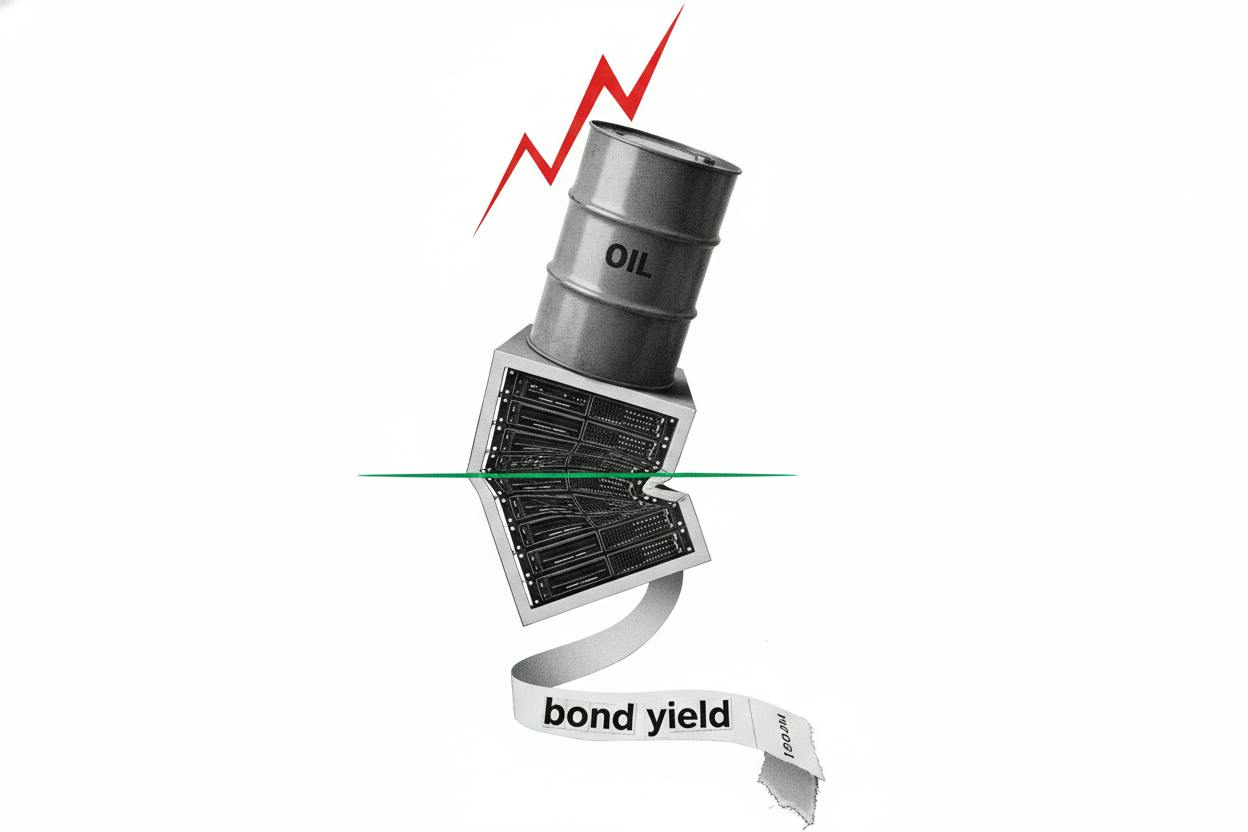
Wall Street's artificial-intelligence trade hit another rough patch on Friday, as a sharp selloff in bonds from AI data-center operator CoreWeave and a spike in oil prices combined to drag the Nasdaq composite down 2.15%.
CoreWeave, a company that builds and operates data centers for AI workloads and counts Nvidia as a major backer, saw its bond yields climb above 15%. That's a striking level for a company that relies heavily on debt to fund its rapid expansion. When bond yields rise, it means investors are demanding a higher return to lend to the company, often because they perceive greater risk or worry that refinancing will become more difficult.
Why CoreWeave's bond move matters
CoreWeave is a key player in the so-called AI infrastructure boom. The company builds massive data centers that house the powerful chips needed to train and run AI models. To finance these projects, CoreWeave has taken on significant debt, betting that future revenue from AI contracts will cover the costs.
When its bond yields spike, it signals that lenders are getting nervous about that bet. A yield above 15% is typically reserved for companies with serious financial stress or those in distressed industries. For CoreWeave, it suggests that investors are worried about its ability to manage its debt load, especially if interest rates stay higher for longer or if the AI boom shows signs of cooling.
This isn't just a CoreWeave problem. The company's struggles are a fresh stress signal for the broader AI infrastructure trade. Many companies in this space—from chipmakers to hardware suppliers—depend on a steady flow of cheap capital to keep building. If funding costs rise, it could slow down data-center construction, which would ripple through the entire supply chain.
Earlier this week, CoreWeave's debt worries already dragged AI stocks lower, and Friday's bond move added to the gloom. The company has also seen co-founders sell $3.3 billion in stock, which has weighed on sentiment.
Oil's jump adds to the pressure
Adding to the market's woes, oil prices jumped more than 3% on Friday. While the exact reasons for the spike weren't detailed in the brief, oil price surges typically raise concerns about inflation and can push bond yields higher, as investors anticipate that central banks may need to keep interest rates elevated to combat price pressures.
Higher oil prices also squeeze consumers and businesses, potentially slowing economic growth. For tech stocks, which are often valued on expectations of future earnings growth, a combination of higher borrowing costs and slower growth is a double whammy.
The Nasdaq's 2.15% drop on Friday was part of a broader pullback in mega-cap tech stocks. A similar slide occurred earlier this week, as climbing Treasury yields rattled investors. When bond yields rise, they make future earnings look less attractive, and they also offer a safer alternative to stocks.
What it means for everyday investors
For ordinary investors, this episode is a reminder that the AI trade—while exciting—comes with real risks. The companies building the infrastructure for AI are spending enormous sums of money, often financed with debt. If that debt becomes more expensive or harder to get, it could slow the whole industry's growth.
It's also a lesson in how interconnected markets are. A bond selloff in one company can spill over into stocks, and a jump in oil prices can affect everything from inflation expectations to consumer spending. Fund managers remain bullish overall, but bond yields are starting to rattle confidence.
For investors, the key takeaway is to be aware of the risks. Diversification remains important—putting all your money into AI stocks or any single sector can be dangerous when the trade hits a speed bump. Also, keep an eye on bond yields and oil prices, as they can be leading indicators for market turbulence.
As always, it's wise to focus on your long-term goals rather than reacting to daily market swings. While Friday's drop was notable, it's just one day in a market that has seen plenty of ups and downs.