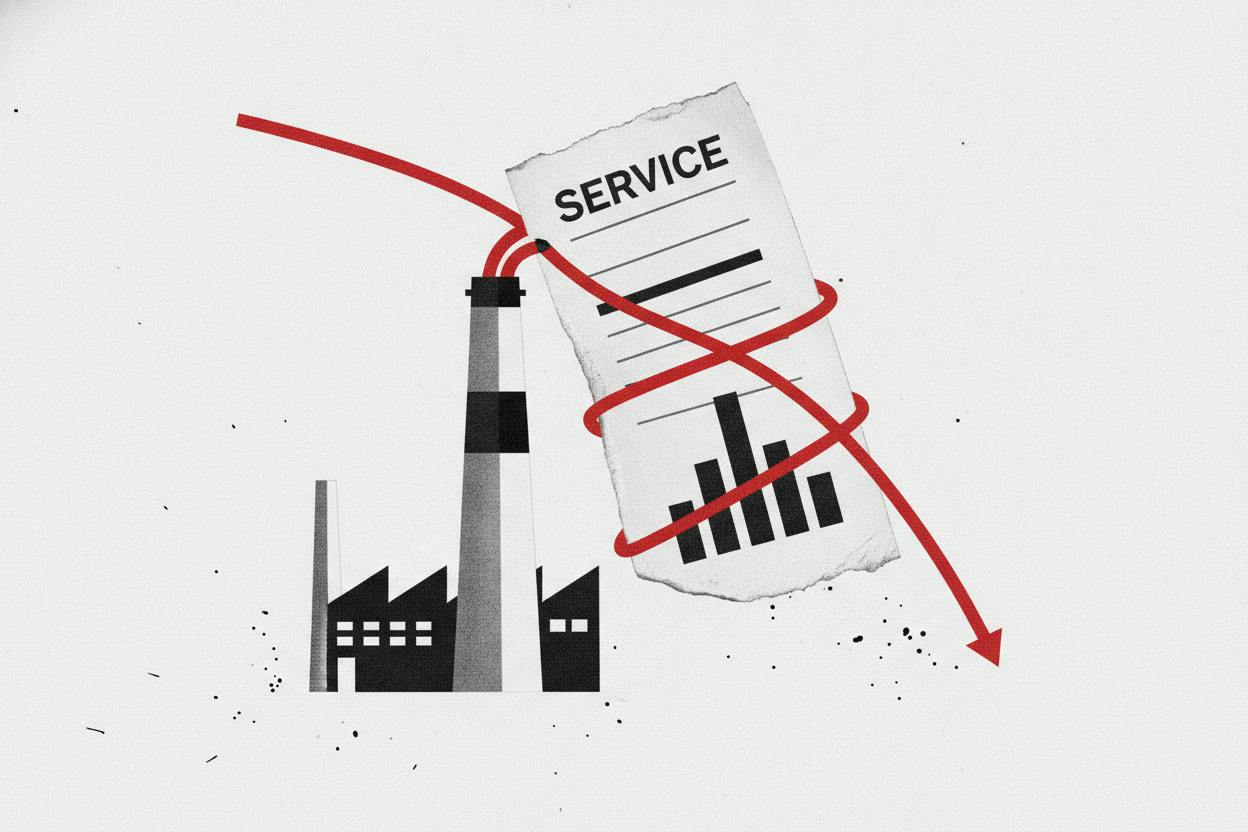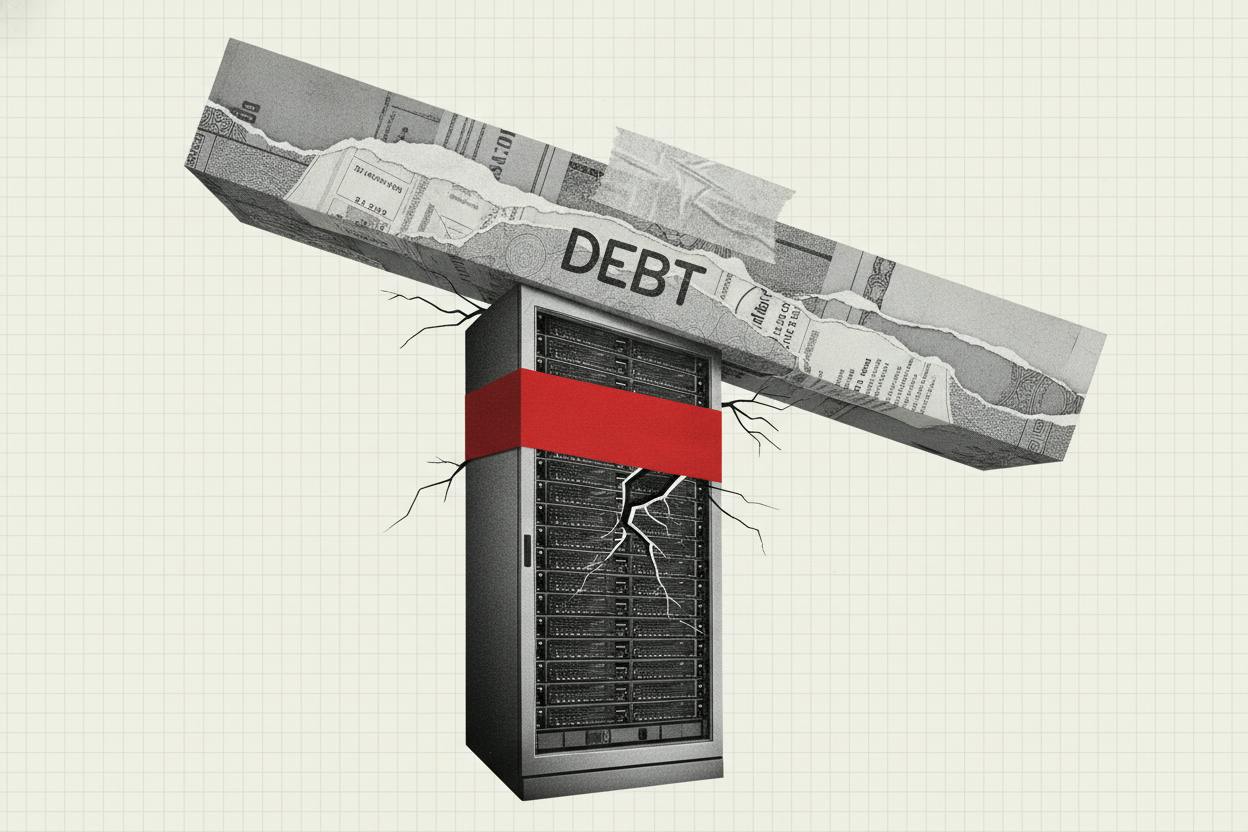
CoreWeave, the Nvidia-backed cloud-computing company, saw its shares tumble more than 22% this week, while its 2031 bond yield briefly spiked above 16%. The move came as hotter-than-expected inflation data reignited fears that interest rates will stay higher for longer, putting debt-heavy AI infrastructure firms under the microscope.
CoreWeave is a key player in the AI boom, renting out powerful computing capacity to companies that need to train and run large AI models. Its business has grown rapidly, but that growth has been funded with a heavy dose of borrowing—roughly $50 billion in debt, according to Reuters. That makes the company especially sensitive to changes in interest rates.
Why the selloff spread
The trigger for this week's decline was fresh inflation data that suggested price pressures remain sticky. When inflation runs hot, investors expect central banks to keep interest rates elevated, or even raise them further. Higher rates increase the cost of borrowing, which is a direct hit to companies like CoreWeave that rely on debt to finance their expansion.
CoreWeave's 2031 bond yield jumping above 16% is a striking signal. Bond yields rise when prices fall, and a yield that high indicates investors are demanding a hefty premium to hold the company's debt—a sign of perceived risk. For context, even many high-yield corporate bonds trade at far lower yields. The move underscores how quickly sentiment can shift for companies with large debt loads.
The worry isn't just about CoreWeave. Many AI-related companies have borrowed heavily to build data centers and buy expensive chips, betting that future revenue will justify the spending. If rates stay high, those bets become more expensive to service, and the market starts to question whether the returns will materialize fast enough.
What it means for investors
For everyday investors, this episode is a reminder that the AI trade isn't just about exciting technology—it's also about balance sheets. Companies that are growing fast but carrying lots of debt can be vulnerable when the cost of that debt rises. Even if the long-term story for AI remains intact, the path could be bumpy for leveraged players.
Investors should watch how CoreWeave and similar firms manage their debt and whether they can generate enough cash flow to cover interest payments. A sustained rise in bond yields could force companies to refinance at higher costs, eating into profits and potentially slowing their expansion plans.
The broader market context matters too. This week's reality check for AI stocks comes as big tech earnings loom, and investors are increasingly focused on whether the massive spending on AI infrastructure will translate into real revenue growth. If the giants that buy AI computing power signal caution, that could ripple through the entire sector.
At the same time, not all AI companies are in the same boat. Some have strong cash positions and can weather higher rates, while others are more exposed. The key is to look beyond the hype and assess each company's financial health.
The bigger picture
CoreWeave's troubles are part of a larger story about how the AI buildout is being financed. The industry has attracted enormous investment, but much of it has come from debt. As long as rates were low and growth was accelerating, that model worked. Now, with inflation proving stubborn, the market is repricing risk.
This week's selloff also echoes broader market moves, where investors are trying to gauge the Fed's next move. While some officials have signaled no rush to hike rates, the inflation data has kept the door open for further tightening. That uncertainty is likely to keep volatility high in rate-sensitive sectors.
For those with money in AI stocks or funds, the takeaway is to be prepared for swings. The technology may be transformative, but the companies behind it are not immune to the basic math of borrowing costs. Keeping an eye on interest rates and debt levels can help investors understand why some AI stocks are more volatile than others.
As the week ends, CoreWeave's slide is a cautionary tale. It shows that even the most promising sectors can stumble when financial conditions tighten. The question now is whether other leveraged AI plays will follow suit, or whether the market will stabilize as earnings season unfolds.