CoreWeave, the AI cloud infrastructure company, is expected to report second-quarter revenue near the top of its guidance range, according to Oppenheimer analysts, who argue that recent investor anxiety about data-center capacity delays and overbuilding is overblown.
The company, which provides cloud computing services tailored for artificial intelligence workloads, is set to release its Q2 results on August 11. CoreWeave has guided for revenue between $2.45 billion and $2.60 billion for the quarter.
What the analyst sees
Oppenheimer's view suggests that the market's biggest debate around CoreWeave is not whether demand exists, but how quickly the company can bring new capacity online. CoreWeave sells AI computing power through long-term contracts, meaning its revenue is heavily tied to when new data-center facilities and power infrastructure become operational.
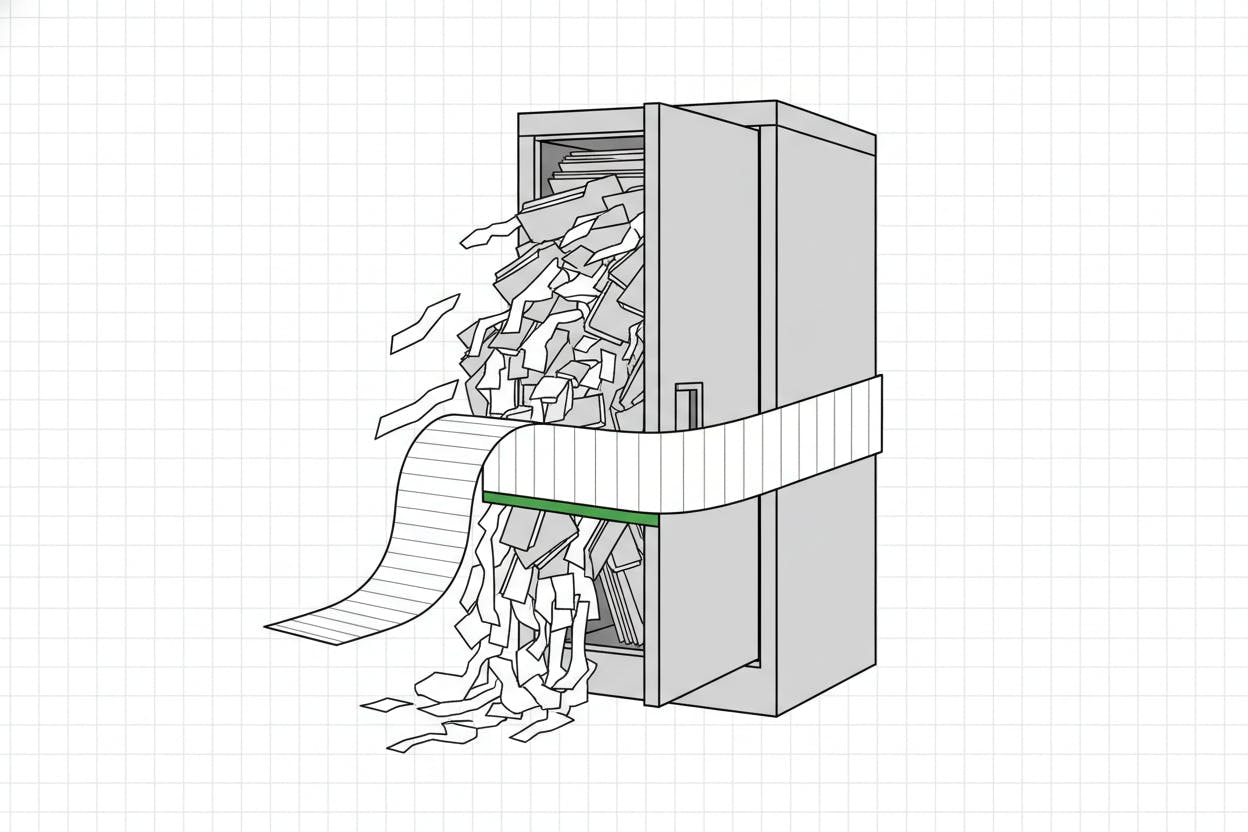
Investors have grown nervous in recent months about a potential oversupply of AI data-center capacity, as major tech companies and cloud providers race to build out infrastructure. Some have worried that the industry might be building faster than demand can absorb, a pattern that has led to boom-and-bust cycles in other tech sectors.
Oppenheimer, however, sees those fears as overdone. The firm expects CoreWeave's revenue to come in at the high end of its forecast, signaling that the company is successfully energizing new capacity and converting its contracted backlog into recognized revenue.
Why capacity timing matters
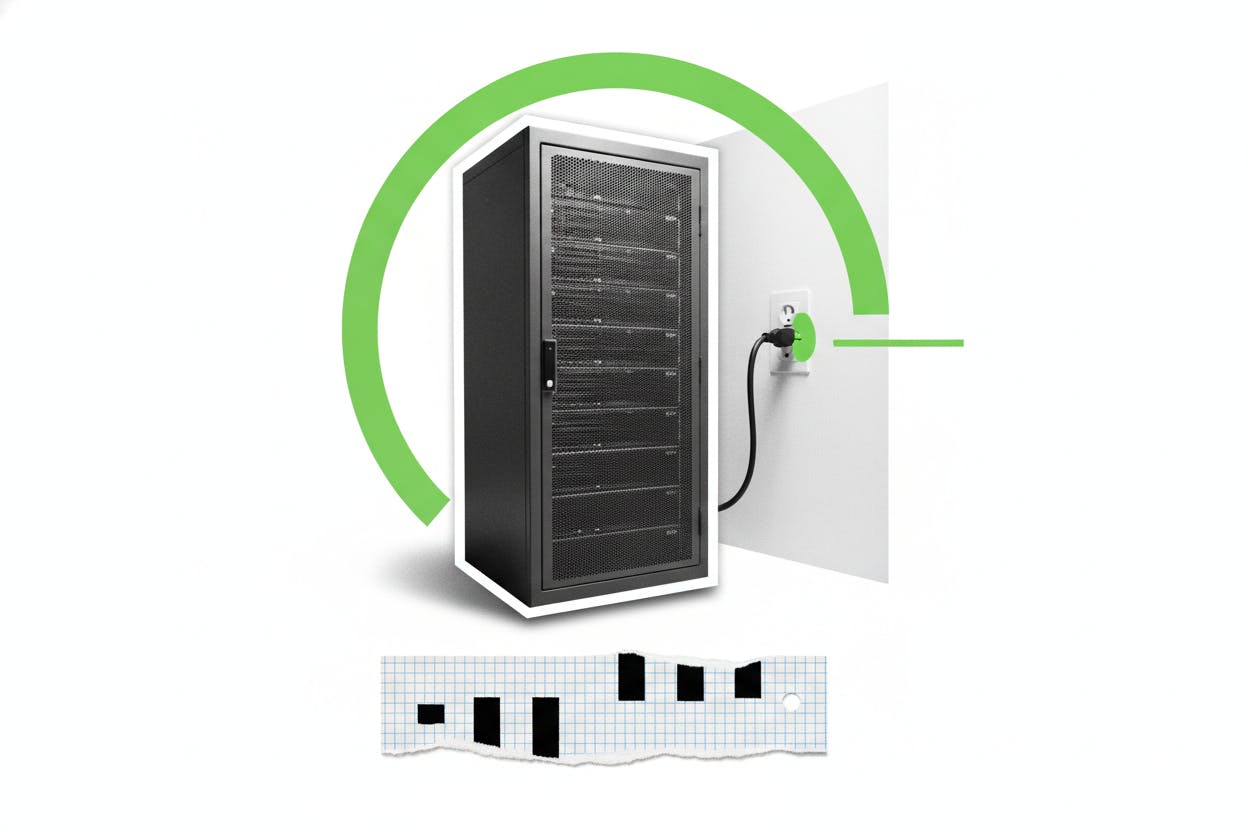
For a company like CoreWeave, the difference between the low and high end of revenue guidance can come down to weeks or even days of when a data center gets powered up. AI computing contracts are typically structured as long-term commitments, but revenue recognition depends on the infrastructure being live and delivering compute power to customers.
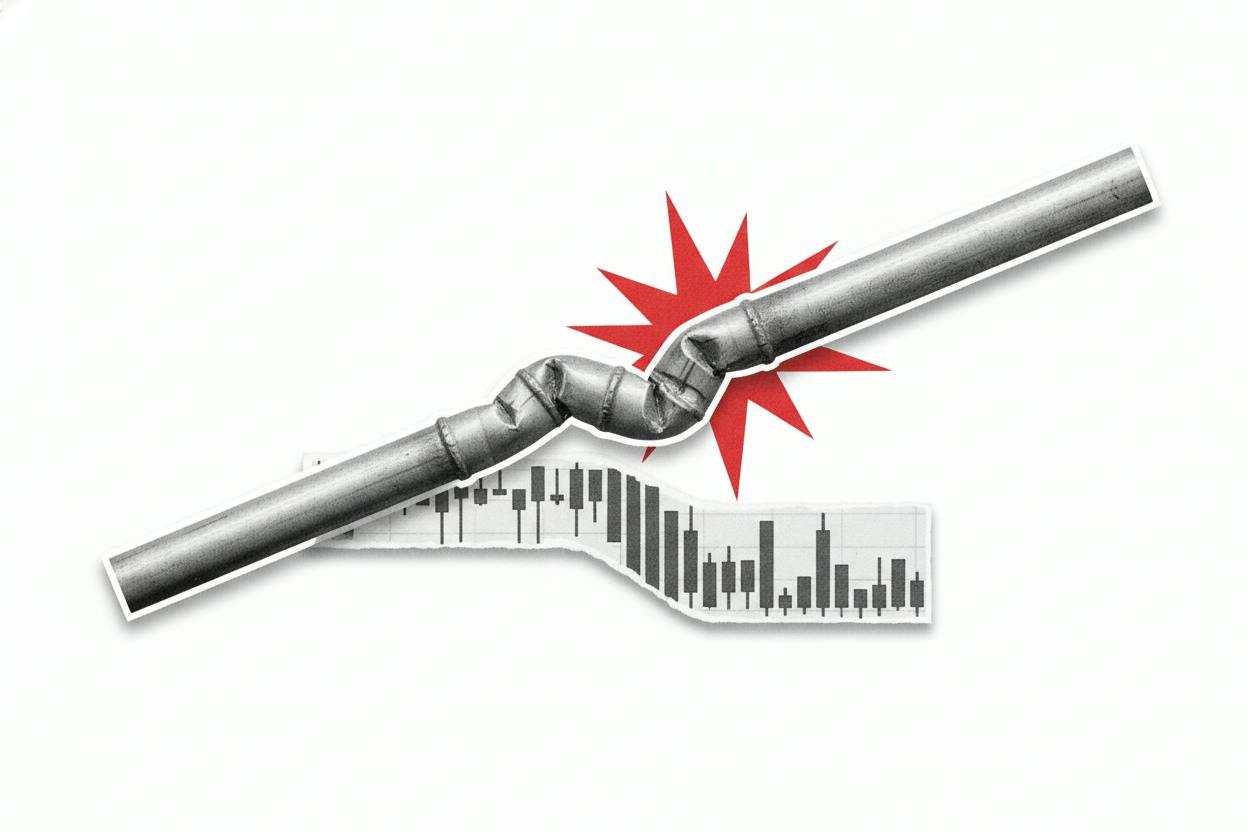
Delays in getting power from utilities, obtaining permits, or completing construction can push revenue from one quarter into the next. That makes CoreWeave's results a closely watched indicator of how smoothly the broader AI infrastructure buildout is progressing.
The company's performance also offers clues about demand trends for AI computing more broadly. If CoreWeave is hitting the top of its guidance, it suggests that customers are eager to access its cloud services and that the company is executing on its expansion plans.
What it means for investors
For everyday investors, CoreWeave's Q2 report will be a key test of whether the AI infrastructure boom is living up to expectations. The company's stock has been volatile as investors weigh the enormous potential of AI computing against the risks of overbuilding and project delays.
Oppenheimer's optimistic take suggests that the market may be too focused on worst-case scenarios. If CoreWeave delivers results near the top of its guidance, it could reassure investors that the AI cloud market is growing as fast as anticipated and that the company is well-positioned to capture that growth.
Investors should also watch for any updates on CoreWeave's forward guidance and capacity expansion plans. The company's ability to bring new data centers online efficiently will be a major factor in its revenue trajectory for the rest of 2025 and into 2026.
Other companies in the AI infrastructure space have also been reporting strong demand. For example, Solstice recently lifted its 2026 outlook on the back of AI data-center demand after a strong Q2, and Martin Marietta raised its revenue forecast as data-center demand boosted earnings. These reports suggest that the broader trend of AI infrastructure spending remains robust.
However, investors should be aware that the AI cloud market is still relatively young and subject to rapid changes. Competition is intensifying, and any signs of softening demand or capacity constraints could weigh on the sector.
CoreWeave's Q2 results will provide a clearer picture of where the company stands and whether the market's worries are justified. For now, Oppenheimer's analysis offers a more optimistic view, suggesting that the biggest risk may not be overbuilding, but rather the challenge of keeping up with demand.