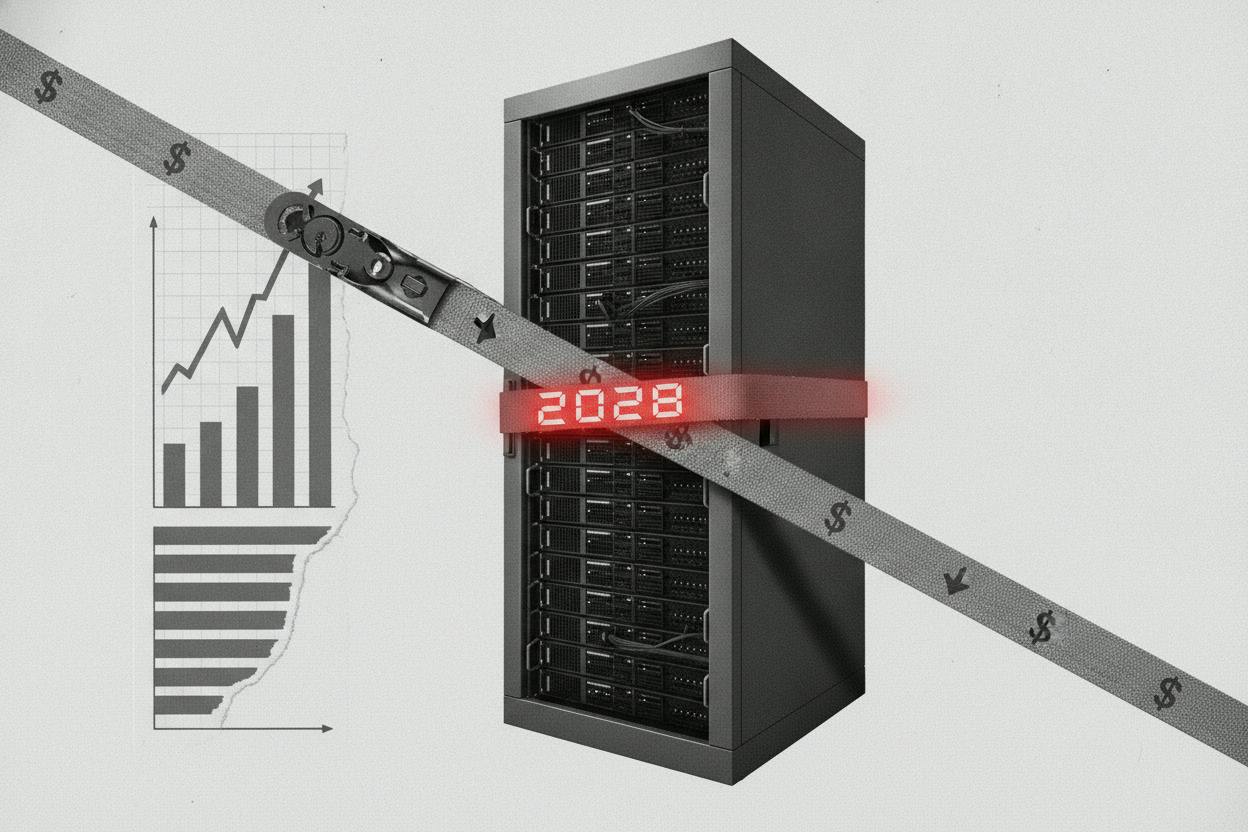
Stocks managed to climb on Tuesday, even as fresh inflation data kept traders bracing for more interest rate hikes from the Federal Reserve. The catalyst for the upbeat mood: AI cloud provider CoreWeave said it expects to reach profitability by 2028, a timeline that reassured investors worried about the heavy spending and uncertain payoffs in the artificial intelligence boom.
The gains came despite a hotter-than-expected inflation reading. October core inflation—which strips out volatile food and energy prices—rose 0.3% month-on-month, a pace that suggests price pressures are not cooling as quickly as hoped. That nudged Fed funds futures to reflect a higher probability of additional rate increases, a move that typically lifts borrowing costs and weighs on stock valuations.
What's driving the market's mixed signals?
Investors are juggling two competing forces. On one hand, sticky inflation keeps the Federal Reserve in a hawkish stance. Higher interest rates make borrowing more expensive for companies and consumers, and they also make bonds more attractive relative to stocks, which can drag equity prices down. The 0.3% monthly rise in core inflation is a reminder that the central bank's fight against price increases is far from over.
On the other hand, the AI trade continues to offer a powerful counterweight. CoreWeave, which provides cloud computing power for AI workloads, said it expects to turn profitable in 2028. That long-term target suggests the company—and by extension the broader AI infrastructure sector—sees a clear path to sustainable earnings, even if the journey is years away. For investors, that kind of visibility can be enough to look past near-term headwinds.
The dynamic echoes a broader pattern seen across markets recently. European stocks have hovered near records as AI optimism lifts tech shares, but inflation concerns continue to cap those gains. Similarly, CoreWeave's reassurance on AI has helped calm fears, yet the inflation data puts the Fed firmly back in the spotlight.
Why CoreWeave's timeline matters
CoreWeave is a key player in the AI infrastructure space, renting out powerful graphics processing units (GPUs) to companies that need massive computing power for training and running AI models. The company's growth has been explosive, but so have its costs—building and operating data centers is capital-intensive. That's why its 2028 profitability target is significant: it signals that the company expects to eventually convert its revenue surge into actual earnings.
For the broader market, CoreWeave's outlook is a bellwether for the AI sector. If a high-growth AI infrastructure provider can project profitability, it bolsters the case that the AI boom is not just a speculative bubble but a real business opportunity. That sentiment can lift tech stocks across the board, as seen in recent sessions where chip stocks have helped drive gains in markets like South Korea.
What it means for investors
For everyday investors, the takeaway is that markets are sending mixed signals. The inflation data suggests the Fed may keep rates higher for longer, which could pressure stocks—especially high-valuation growth names. But the AI narrative remains a powerful force, capable of lifting sentiment even in a tough rate environment.
It's important to remember that CoreWeave's profitability target is years away, and many things could change between now and 2028. The company's success depends on sustained demand for AI computing power, competition, and its ability to manage costs. Investors should view such long-term projections with a healthy dose of skepticism, even as they provide a useful window into corporate expectations.
Meanwhile, the inflation picture is far from settled. The 0.3% monthly rise in core prices is a reminder that the Fed's job is not done, and traders are already pricing in the possibility of more hikes. That could mean continued volatility in both stocks and bonds. Eurozone yields have eased as traders digest the US inflation data, showing how interconnected global markets are.
For now, the market's ability to shrug off hot inflation and focus on AI optimism is a sign of resilience. But it also leaves investors walking a tightrope: too much inflation could force the Fed's hand, while too little AI enthusiasm could deflate the rally. Keeping a diversified portfolio and staying focused on long-term goals remains a prudent approach in such uncertain times.
As the week progresses, investors will likely watch for any further comments from Fed officials and additional economic data that could shape rate expectations. The interplay between inflation and AI-driven growth will continue to be the central theme driving markets.



