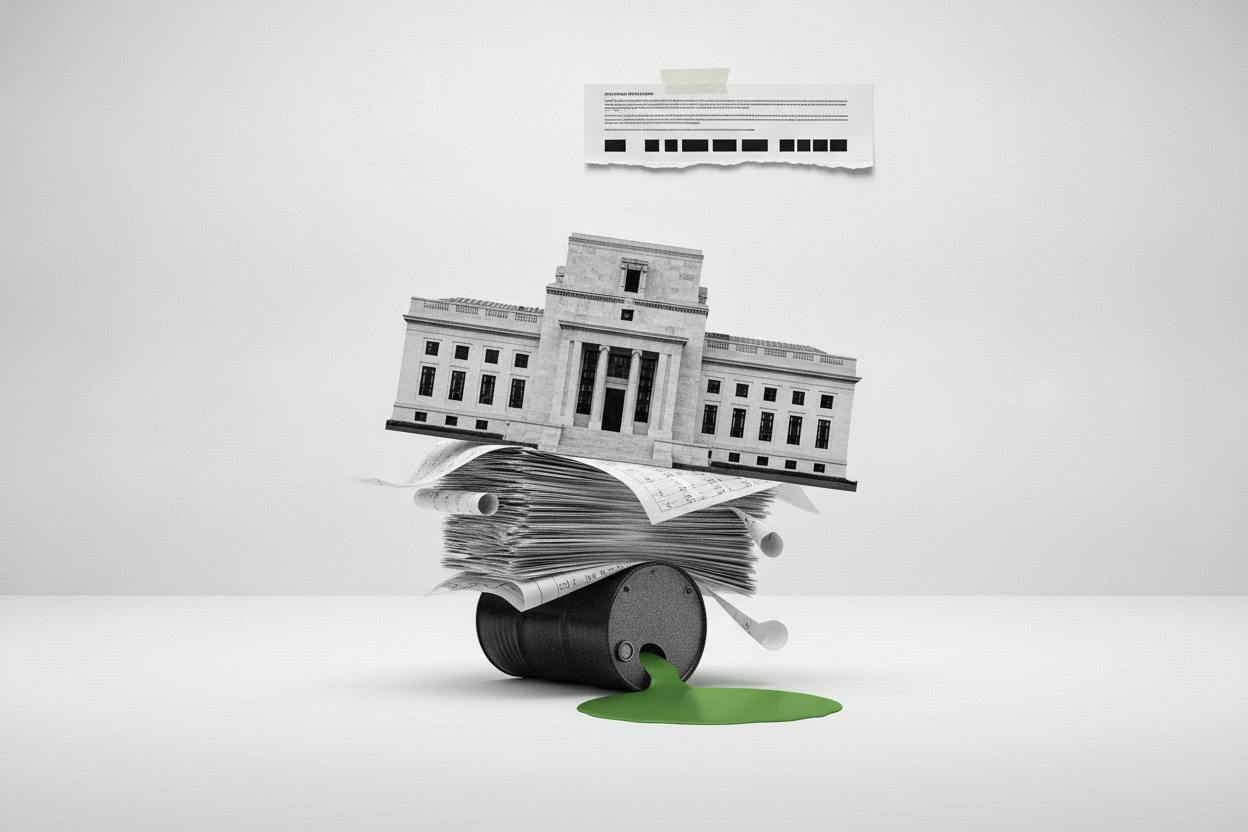
Investors have largely priced in a quarter-point rate hike at the Federal Reserve's December meeting, but one major investment bank is pushing back on that assumption. Macquarie, an Australian bank with a significant US presence, argues that a possible US government shutdown and a sharp drop in oil prices could keep the Fed from pulling the trigger.
Markets currently assign an 87% probability to a 25-basis-point move, according to the brief. That's a high number, but Macquarie says it's not a done deal. The bank's caution highlights how much uncertainty remains around the Fed's next move, even as officials have signaled they're not done fighting inflation.
Why a government shutdown matters
A government shutdown occurs when Congress fails to pass funding bills, forcing non-essential federal operations to pause. While a shutdown doesn't directly set interest rates, it can have ripple effects on the economy and on the Fed's decision-making. For one, it can disrupt the flow of economic data—the very data the Fed relies on to judge whether the economy is cooling enough to ease off on rate hikes.
If key reports like the jobs report or inflation readings are delayed, the Fed would be flying blind. That could make policymakers hesitant to make a significant move like a rate hike. Additionally, a shutdown can dent consumer and business confidence, which could slow economic activity on its own. In that scenario, raising rates might feel like overkill.
Macquarie's point is that the Fed likes to have a clear picture before acting. A shutdown muddies that picture, and the central bank may prefer to wait until the fog clears.
Falling oil prices: a double-edged sword
The other factor Macquarie flags is the recent drop in oil prices. Lower oil prices generally reduce inflation pressures, since energy costs feed into everything from gasoline to shipping. That's good news for consumers and for the Fed's inflation fight—but it also means the Fed might not need to hike as aggressively.
If inflation is already cooling thanks to cheaper oil, the Fed could afford to hold rates steady and let the data catch up. That's a key reason why Macquarie thinks a hike isn't guaranteed. The bank's view aligns with the idea that the Fed is data-dependent, and falling oil is a data point that points toward less urgency.
It's worth noting that oil prices have been volatile, and a rebound could change the calculus. But for now, the trend is downward, and that's a factor the Fed will weigh.
What this means for investors
For everyday investors, the Fed's rate decision matters because it affects borrowing costs, stock valuations, and bond yields. A rate hike would make mortgages, credit cards, and business loans more expensive. It could also put downward pressure on stocks, especially growth and tech shares, which are more sensitive to higher discount rates.
If the Fed holds off, that could be a relief for markets, but it also signals that the economy might be weaker than hoped. Either way, uncertainty itself can be a source of volatility.
Investors should watch for two things in the coming weeks: whether Congress avoids a shutdown, and whether oil prices keep falling. Both could shift the odds. As recent inflation data showed, the market's expectations can swing quickly.
Macquarie's caution is a reminder that the Fed's path is not set in stone. Even with high market odds, the central bank has surprised before. The December meeting is still weeks away, and a lot can change between now and then.
The bigger picture
The Fed has been on a tightening path for over a year, trying to bring inflation down to its 2% target. While inflation has cooled from its peaks, it remains above target, and some officials have argued for continued hikes. But the economy is also showing signs of slowing, and the risks of overtightening are real.
Macquarie's analysis fits into a broader debate about whether the Fed will pause or hike. Other voices have weighed in, with some officials backing a hike and others urging caution. The comments from Fed Governor Waller suggest a hike is possible, but not certain.
For now, the market is leaning toward a hike, but Macquarie's warning is a useful counterpoint. Investors should not assume the outcome is locked in. Instead, they should prepare for either scenario and focus on their long-term goals rather than trying to time the Fed.
As always, the best approach is to stay diversified and avoid making drastic portfolio changes based on a single rate decision. The Fed's moves matter, but they're just one factor in a complex market.



