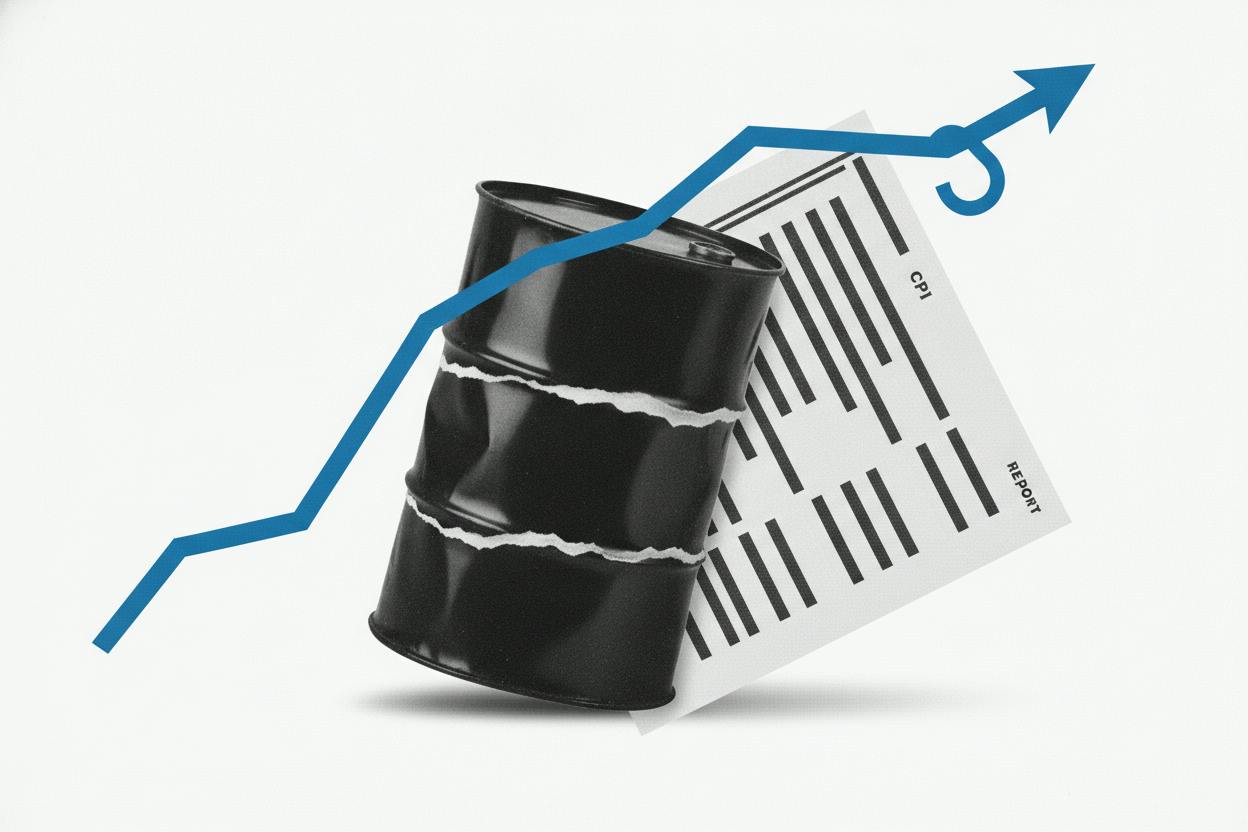
October inflation ran hotter than expected, and that single data point has already rattled Wall Street. US stock futures slipped in early trading, putting the recent tech-led bounce — and pricey AI names like Nvidia — back under pressure.
The consumer price index (CPI) reading landed as investors were already on edge about the Federal Reserve's next move. Fed Governor Christopher Waller had just suggested the central bank should raise rates by at least a quarter point next month, even if inflation cooled, and hinted at a half-point move if price pressures accelerated. The hot CPI report only reinforced those fears.
By 8:46 a.m. ET, S&P 500 E-minis were down 0.52%, while Nasdaq 100 E-minis fell 1.03%. The CME FedWatch tool showed traders pricing in almost a 99% chance of a December rate hike. That repricing hit growth stocks hardest: Nvidia dropped 1.6% in premarket trading, and other chipmakers like Intel and Marvell Technology also slid.
Why inflation matters for your portfolio
Inflation matters because it shapes what the Federal Reserve does with interest rates. When prices rise faster than expected, the Fed tends to respond by raising rates to cool the economy. Higher rates, in turn, tend to weigh on stocks — especially those whose profits are expected far in the future.
Here's the simple version: when rates go up, the "discount rate" investors use to value future cash flows also goes up. That makes future profits worth less in today's dollars. Companies with profits expected years down the road — think high-growth tech and AI names — get hit hardest because a larger share of their value depends on those distant earnings.
That's why chipmakers tied to big AI expectations can react sharply to small changes in rate pricing, even if nothing about their near-term sales changes. The market isn't suddenly doubting Nvidia's business; it's just repricing what those future profits are worth in a higher-rate world.
What this means for the tech rally
The recent tech bounce was built on optimism about AI and hopes that the Fed might soon pause its rate hikes. Today's hot CPI reading undermines that second pillar. With a near-99% implied chance of a December hike, the "higher for longer" narrative is back in force.
For investors, this means the Nasdaq 100's leadership could become more sensitive to incremental Fed repricing than to day-to-day AI headlines. A single inflation print can shift the entire calculus, as we're seeing today.
It's also a reminder that the market's mood can turn quickly. Just days ago, the vibe was cautiously optimistic. Now, traders are bracing for more tightening. The upshot: if you're holding growth stocks, expect more volatility around inflation data and Fed speeches.
For context, this isn't just a US story. Central banks around the world are wrestling with similar dynamics. In Hungary, an inflation bump may keep the central bank on hold, while Norway's core inflation cooled, easing pressure there. And in Brazil, rates are being held at 13.75% as inflation risks mount. The global picture is one of sticky prices and cautious central banks.
What to watch next
Investors will be watching two things closely. First, any additional comments from Fed officials, especially if they echo Waller's hawkish tone. Second, the next CPI report — if inflation stays hot, the case for a half-point hike in December grows stronger, which would put even more pressure on tech.
For now, the takeaway is straightforward: inflation is still the market's biggest driver, and it's pointing toward higher rates for longer. That's a headwind for the tech rally, and it's worth keeping in mind as you assess your own exposure to growth stocks.
As always, this isn't a call to sell or buy anything. It's simply a reminder that in today's market, the Fed's next move matters more than almost anything else — and that a single inflation report can change the game.