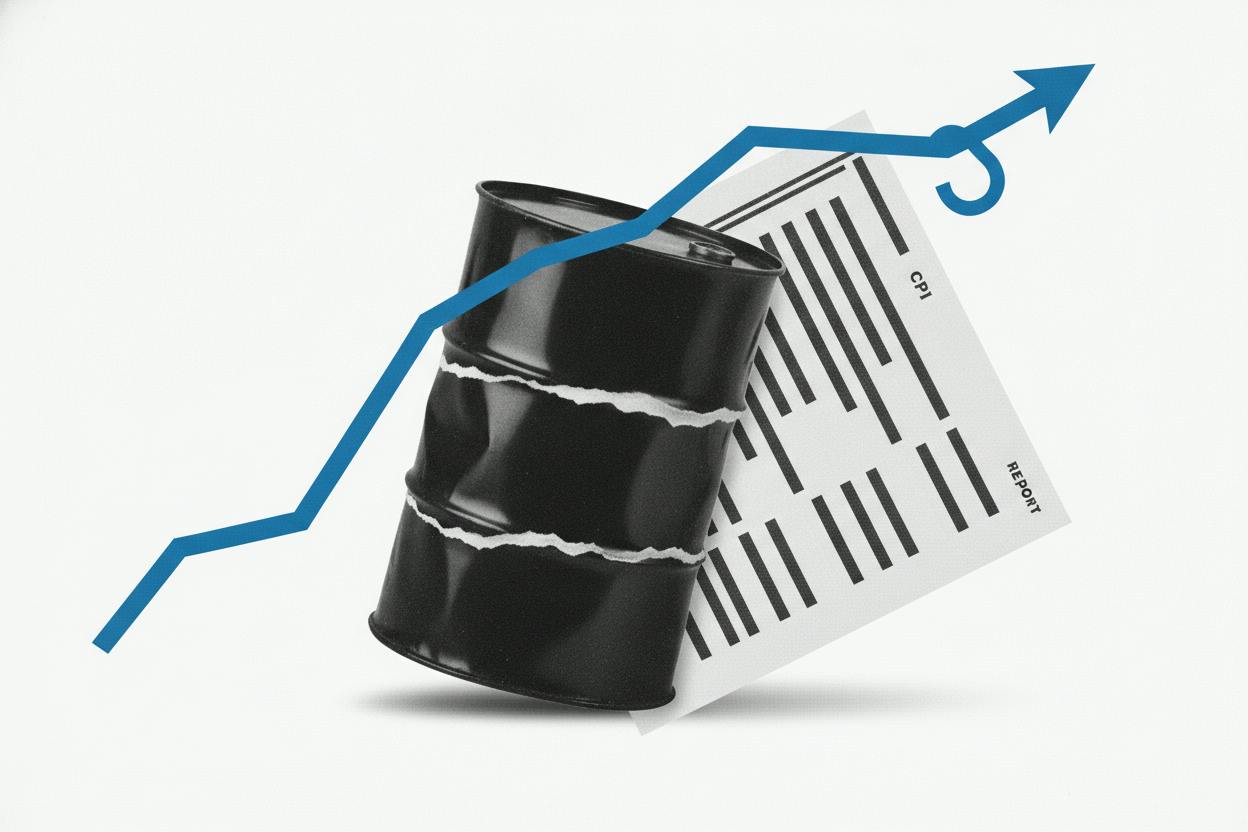
Sterling slipped 0.3% against the dollar on Tuesday, trading at $1.3395, as a hawkish comment from a Federal Reserve official and a hotter-than-expected US inflation report gave the greenback a lift. The move reversed some of Monday's risk-on tone, when falling oil prices had eased inflation worries and reduced demand for the dollar.
Why the dollar strengthened
Currencies are heavily influenced by interest-rate expectations. When traders believe the Federal Reserve will keep US rates higher for longer, the dollar tends to look more attractive than currencies like the pound, because higher rates offer better returns on dollar-denominated assets. Tuesday's comments from Fed Governor Christopher Waller, who struck a hawkish tone, and the October US inflation report, which came in above forecasts, both pointed to a Fed that may not cut rates as soon as markets had hoped.
That combination helped push the dollar higher against most major currencies, including the pound. The move was a partial reversal of Monday's trading, when easing oil prices had taken some pressure off inflation concerns and trimmed demand for the safe-haven dollar.
Pound holds up better against the euro
Despite the dollar's strength, the pound fared better against the euro. Sterling was trading around 83.51 pence per euro, still near last week's 20-month high. That strength came after the Bank of England raised interest rates, which made the pound more attractive to yield-seeking investors.
However, Lee Hardman, a currency analyst at Japanese bank MUFG, noted that speculators are heavily betting against the euro. When many investors make the same trade, price moves can be driven by positioning rather than fresh headlines. If the market is crowded short on the euro, any 'less bad' news—such as lower European energy prices—can force those traders to buy euros back quickly, lifting the single currency even without a major change in central-bank policy.
What to watch: UK GDP on Thursday
Investors are now looking ahead to Thursday's UK growth figures. The data is expected to show 0.7% quarter-on-quarter growth, a solid number that would normally support the pound. But Hardman warns that even a decent GDP print may not be the main driver for the pound against the euro. If short-covering flows turn in the euro's favor, the GBP/EUR cross could give back some of its recent gains.
For everyday investors, this means currency moves can sometimes be driven more by market positioning than by economic fundamentals. A strong UK GDP report might not automatically boost the pound if traders are busy unwinding euro bets.
What it means for investors
For those with exposure to foreign currencies—whether through travel, overseas investments, or international business—these swings matter. A weaker pound makes imports more expensive and can affect the returns on overseas assets when converted back to sterling. Conversely, a stronger pound can benefit those buying foreign goods or planning holidays abroad.
The broader backdrop remains one of central banks trying to balance inflation control with economic growth. The Fed's hawkish stance and the Bank of England's recent rate hike are both part of that balancing act. As other central banks, like Sweden's Riksbank, also signal tighter policy, currency markets are likely to stay volatile.
Investors should also keep an eye on other data releases, such as South Africa's jobs and factory data, which can influence risk sentiment. And with China's trade surplus narrowing ahead of the APEC summit, global trade dynamics remain in flux.
Ultimately, Thursday's UK GDP report will be important, but it may not be the only thing moving the pound. Positioning and flows could prove just as influential.