Oil prices fell sharply on Tuesday, with West Texas Intermediate (WTI) crude dropping 2.5% to $84.72 a barrel, slipping below the $90 mark for the first time in weeks. The move came after US Secretary of State Marco Rubio played down the likelihood of a broader conflict with Iran, easing fears of immediate supply disruptions that had been propping up prices.
Speaking at a G7 foreign ministers meeting in Paris, Rubio said Iran's military facilities were "very degraded" compared with a year ago. Markets interpreted his comments as a signal that the risk of a sudden escalation—and the resulting hit to oil supplies—has not risen dramatically. As a result, some of the "just-in-case" premium that traders had built into crude prices came out of the market.
Why oil prices matter to investors
Oil is more than just a commodity; it's a key input for everything from gasoline to plastics and shipping. When crude prices rise, it can push up costs for businesses and consumers, feeding into inflation. When prices fall, it can ease those pressures, but it also hits energy companies' revenues and can weigh on oil-exporting economies.
For everyday investors, the drop in oil is a double-edged sword. Lower energy costs can help reduce inflation, which is good for bond prices and could give the Federal Reserve more room to cut interest rates. But it also means energy stocks—like those in the S&P 500's energy sector—may see their earnings come under pressure if prices stay low.
The move also ripples through other markets. For instance, lower oil prices can boost airline and shipping stocks because fuel is a major expense for them. Conversely, it can hurt oil producers and service companies. Investors often watch oil prices as a barometer for global demand and geopolitical risk.
Hot CPI keeps Fed in the spotlight
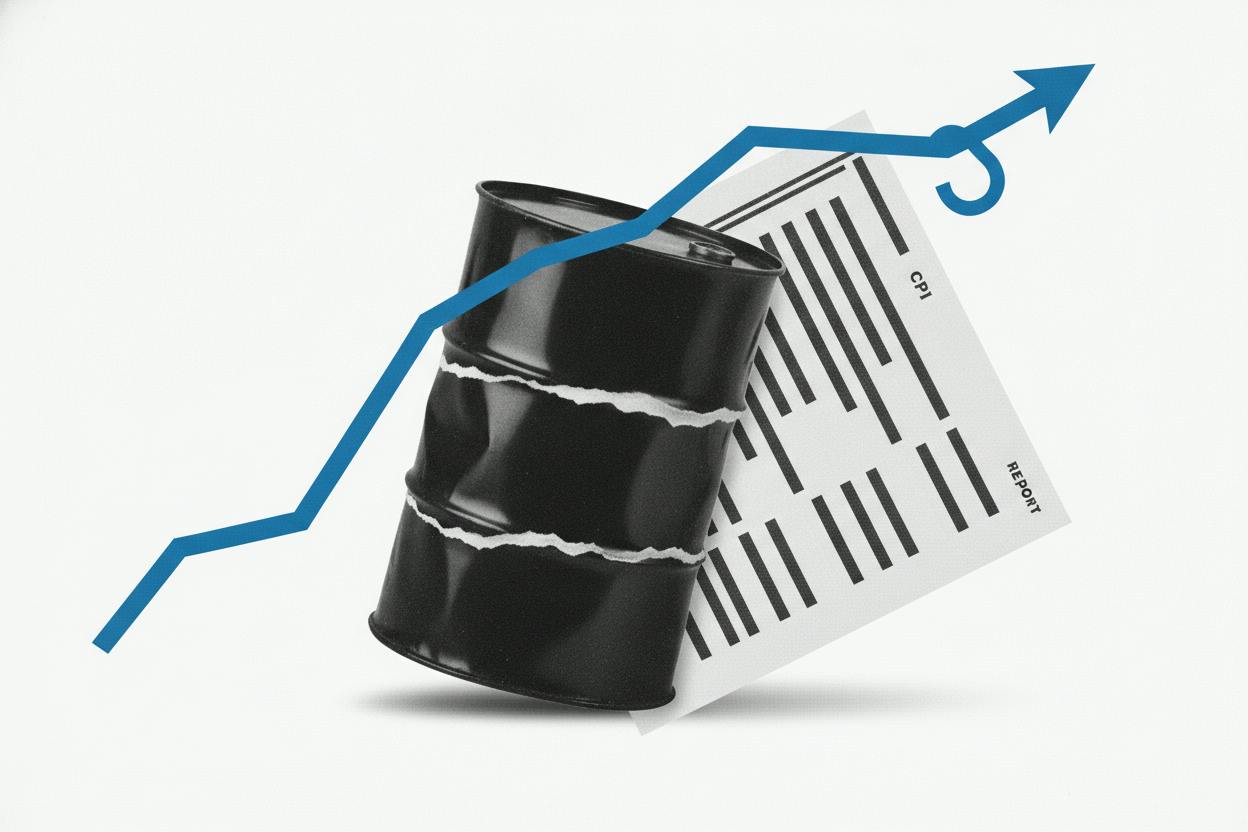
While oil grabbed headlines, the bigger story for markets was the release of October's Consumer Price Index (CPI) data, which came in hotter than expected. Inflation is the rate at which prices for goods and services rise over time, and the CPI is a key measure of it. A higher-than-expected reading means prices are rising faster than economists had predicted.
That news has kept investors focused on the Federal Reserve's next policy meeting, scheduled for December 9th. The Fed, which sets short-term interest rates, has been trying to bring inflation down to its 2% target. If inflation remains stubbornly high, the Fed may decide to keep interest rates elevated or even hike them again. Higher rates tend to cool the economy and can hurt stock prices, especially for growth companies that rely on borrowing.
As we noted in our earlier coverage, the hot October CPI report keeps a December rate hike on the table. That's a shift from earlier in the year when many investors hoped the Fed would start cutting rates soon. The prospect of higher-for-longer rates has also been a factor in currency markets, with the pound slipping as Fed hawkishness and hot US inflation lift the dollar.
What it means for your portfolio
For the average investor, the combination of falling oil and rising inflation creates a mixed picture. On one hand, cheaper oil could help bring down headline inflation numbers in the coming months, which might give the Fed some breathing room. On the other hand, the core inflation reading—which excludes food and energy—remains sticky, and that's what the Fed watches most closely.
If the Fed does hike rates in December, it could lead to more volatility in stocks and bonds. Bond prices tend to fall when rates rise, and stocks can struggle as borrowing costs increase. Investors might want to review their portfolios to ensure they're diversified across asset classes, rather than betting heavily on any single outcome.
Energy stocks, in particular, could face headwinds if oil prices continue to slide. But it's important to remember that oil prices are notoriously volatile, and geopolitical events can change the picture quickly. Rubio's comments suggest the immediate risk of a supply shock has faded, but tensions in the Middle East remain a wildcard.
Looking ahead
The next few weeks will be crucial for markets. The Fed's December 9th decision will be the main event, but investors will also be watching for any new developments on the geopolitical front. If Iran tensions flare up again, oil could easily rebound. Conversely, if inflation continues to run hot, the Fed may be forced to act more aggressively.
For now, the market seems to be taking a cautious stance. The drop in oil prices is a reminder that geopolitical risk premiums can evaporate quickly when officials signal restraint. And the CPI report is a reminder that the inflation fight is far from over. As always, staying informed and keeping a long-term perspective is key.
For more on how these factors are playing out in global markets, you can check out our analysis of the FTSE 100's reaction to oil and gold moves, and the latest on Brazil's rate decision amid rising inflation.