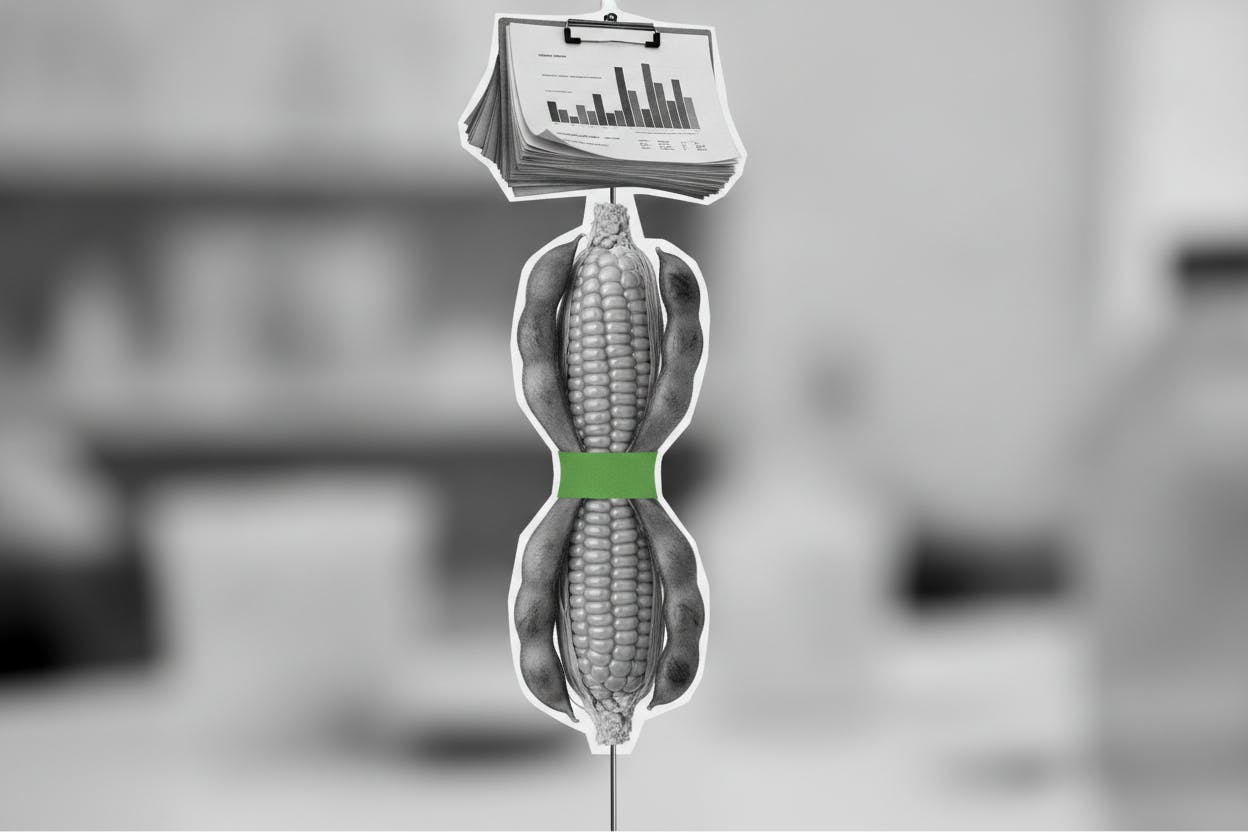
Corn and soybean futures slipped Tuesday as traders repositioned ahead of Wednesday's highly anticipated USDA August supply-and-demand report. The modest declines came as recent rains across key US growing regions eased some worries about crop output, prompting investors to trim bullish bets before the government updates its official forecasts.
Wheat also edged lower, extending the cautious tone across the grain complex. The moves reflect a market in wait-and-see mode, with many participants reluctant to take on large positions until the US Department of Agriculture releases its latest assessment of global and domestic supplies.
Why the USDA report matters
Grain prices often trade on weather headlines, but the monthly USDA reports carry outsized weight because they translate scattered field conditions into concrete supply-and-demand math. The August report, in particular, is closely watched as it provides one of the first solid estimates of the upcoming US harvest.
Analysts surveyed by Reuters expect the agency to trim its 2026 US corn yield estimate to 182.4 bushels per acre, down from 183.0 bushels in the previous forecast. While that may sound like a small tweak, when multiplied across the entire corn acreage, even a fraction of a bushel can shift total production by millions of bushels—enough to move prices.
For soybeans, the focus is on "ending stocks," the amount of the crop left over at the end of the marketing year. Lower-than-expected ending stocks typically signal tighter supplies, which can support prices. Conversely, a larger-than-expected surplus tends to weigh on the market.
Weather has been the wildcard
This growing season has been marked by uneven weather, with some regions experiencing dry spells that raised concerns about crop stress. However, recent rainfall has helped alleviate those worries in several key growing areas, which is one reason prices have softened heading into the report.
"The market is always balancing weather risks against the USDA's numbers," said one grain analyst. "Right now, the rains have taken some of the edge off, but the report could easily change the narrative."
Traders will also be watching for any adjustments to export demand, particularly from major buyers like China, and updates on global production from other key exporters such as Brazil and Argentina.
What it means for investors
For everyday investors, the USDA report is a reminder that agricultural commodities are driven by a complex mix of weather, policy, and global demand. While the day-to-day moves in corn and soybean futures may seem distant from a typical stock portfolio, they can have ripple effects.
Higher grain prices can feed into food inflation, affecting grocery bills and the margins of food producers. Lower prices, on the other hand, can squeeze farmers' incomes and impact agricultural equipment makers, fertilizer companies, and rural economies.
Investors with exposure to agricultural ETFs or companies in the food supply chain should pay attention to the report's outcome. A surprise in the yield or ending-stocks figures could trigger sharper moves than Tuesday's modest declines.
For those without direct exposure, the report is still a useful barometer of global supply conditions, which can influence everything from inflation expectations to central bank policy. As traders await other key economic data later this week, the USDA's numbers will be one more piece of the puzzle.
Looking ahead
After Wednesday's report, the market's attention will shift to the next set of weather forecasts and export sales data. The USDA will also release updated world supply-and-demand estimates, which can move prices in both directions depending on how they compare with expectations.
In the meantime, traders are likely to remain cautious, with many waiting for the official numbers before committing to new positions. As one market participant put it, "The report is the catalyst—everything before it is just positioning."
For investors, the key takeaway is that agricultural markets are entering a period of heightened volatility. Whether you're a farmer, a food company, or a passive investor, understanding the forces behind these price moves can help you make more informed decisions.