Corteva's shares fell 7.5% in premarket trading on Thursday after the agricultural chemicals and seeds company reported third-quarter sales that missed Wall Street's expectations, citing a significantly softer crop-protection market in Brazil.
The company said adjusted earnings for the quarter ended September 30 were $0.06 per diluted share, down from $0.14 a year earlier but above the $0.02 analysts surveyed by FactSet had expected. Revenue, however, was the bigger problem: sales dropped to $1.59 billion from $1.74 billion in the same period last year, falling short of the $1.77 billion consensus estimate.
Brazil's farmer liquidity crunch
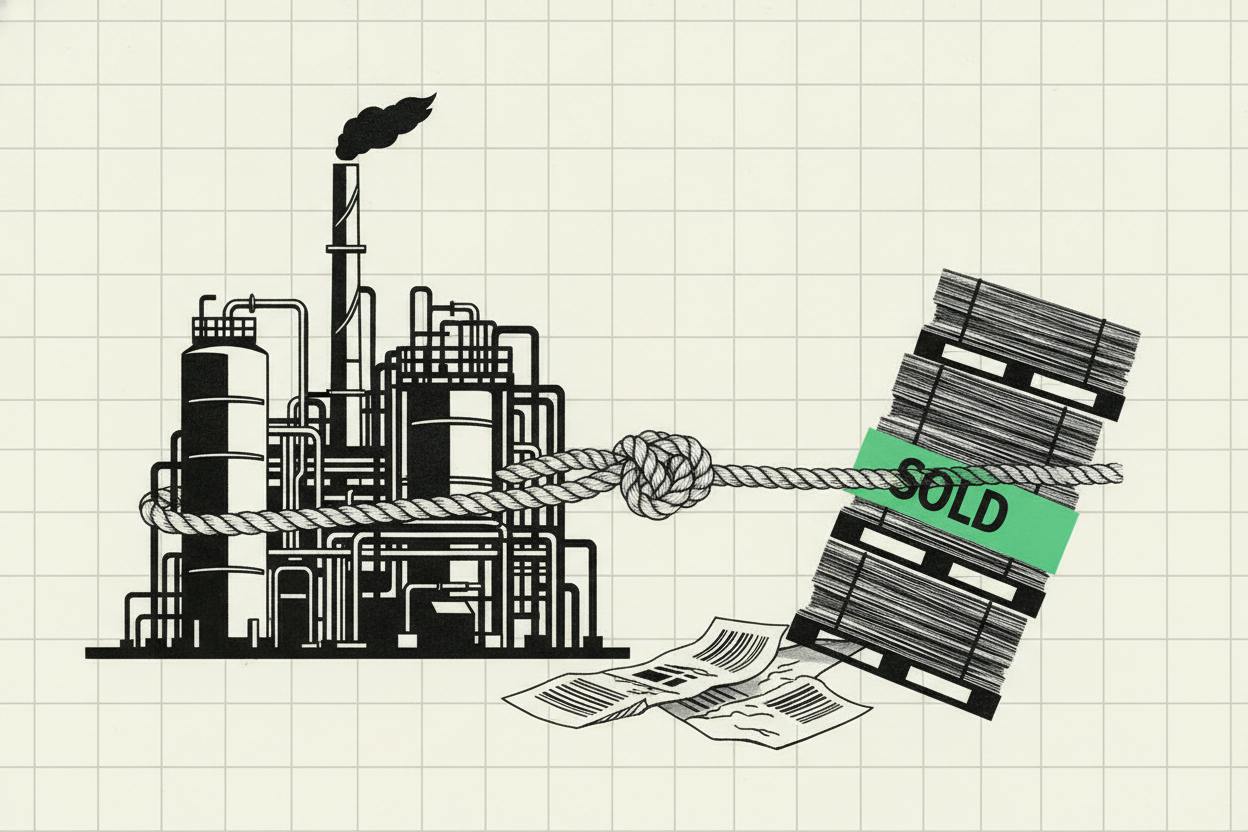
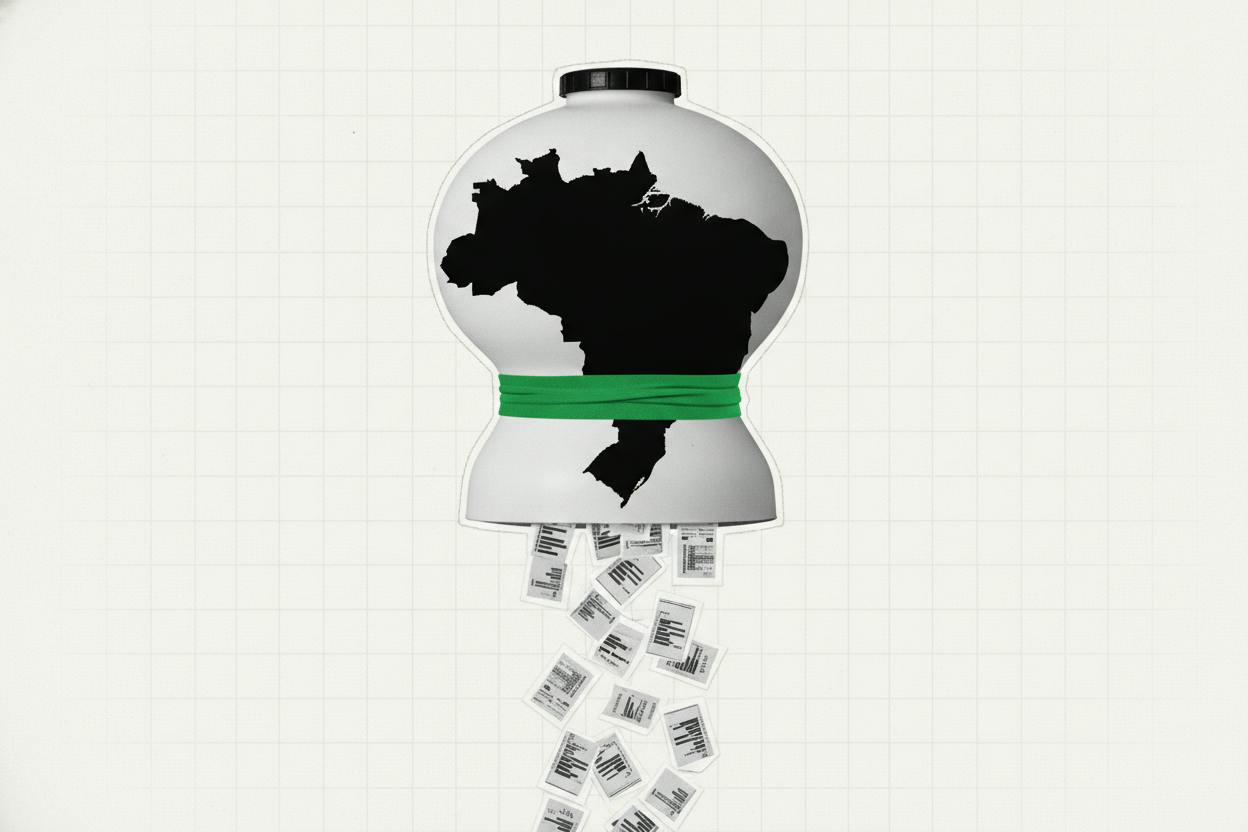
Management pointed to Brazil as the main culprit. Farmers there are grappling with tighter cash flow and higher borrowing costs, a combination that is pushing them toward more "just-in-time" purchasing. Instead of placing large preseason orders for crop-protection products, growers are waiting longer to buy, often closer to when the products are actually needed.
For suppliers like Corteva, this shift can mean a shorter selling window and more last-minute competition on price and payment terms. The pain tends to show up first in sales, and then in profit margins, even if the company still expects full-year adjusted pro forma operating earnings per share of $0.76 to $0.80.
This isn't the first time Brazil's agricultural economy has created headwinds for global input suppliers. The country is a major agricultural powerhouse, and its farmers' purchasing patterns can have an outsized impact on companies like Corteva, which derive a significant portion of their revenue from the region. When financing costs rise, as they have with higher interest rates globally, farmers often delay discretionary spending on inputs, hoping to stretch their cash further.
What it means for investors
The market's reaction highlights a key concern: when farmers delay purchases because financing is expensive, demand doesn't disappear so much as it shifts later. That forces input makers like Corteva to fight harder for a smaller, more time-pressured pool of orders, often by cutting prices or offering friendlier payment terms.
Investors can look past a small earnings beat in one quarter, but they worry when a key region signals weaker pricing power and lumpier revenue. Even with Corteva holding its full-year profit outlook steady, Brazil-driven top-line volatility can keep the stock sensitive to any sign that margins are next.
For everyday investors, this is a reminder that companies with significant exposure to cyclical agricultural markets can see their earnings swing with farmer sentiment and financing conditions. While Corteva's full-year guidance remains intact, the market's negative reaction suggests that investors are pricing in the risk that the Brazilian weakness could persist or spread.
Looking ahead, analysts and investors will be watching for any updates on how the fourth quarter is shaping up, especially in Brazil. The company's ability to manage pricing and payment terms in a challenging environment will be key to whether it can meet its full-year targets.
In the broader context, this news comes as other companies with Brazilian exposure have also faced headwinds. For instance, coffee prices have slid to a six-week low as Brazil's supply outlook improves, and ArcelorMittal's Brazil steel expansion remains in study mode, reflecting a cautious investment climate in the region.
For now, Corteva's story is a classic case of how regional economic pressures can ripple through a global supply chain, affecting everything from farmer purchasing habits to the stock prices of multinational suppliers. Investors will be watching to see if the just-in-time trend in Brazil is a temporary blip or a more lasting shift in how farmers buy their inputs.