CRH, the Dublin-based building materials giant, reported second-quarter results that came in ahead of Wall Street's expectations, and analysts at RBC Capital Markets say the company's heavy tilt toward US infrastructure and the booming data center market is paying off.
In a note to clients, RBC said CRH beat estimates on both revenue and EBITDA — a common profit measure that strips out financing costs and non-cash expenses like depreciation. The beat came even as residential construction remained sluggish, a sign that the company's other engines are more than compensating for weakness in homebuilding.
Why data centers matter for a cement and aggregates company
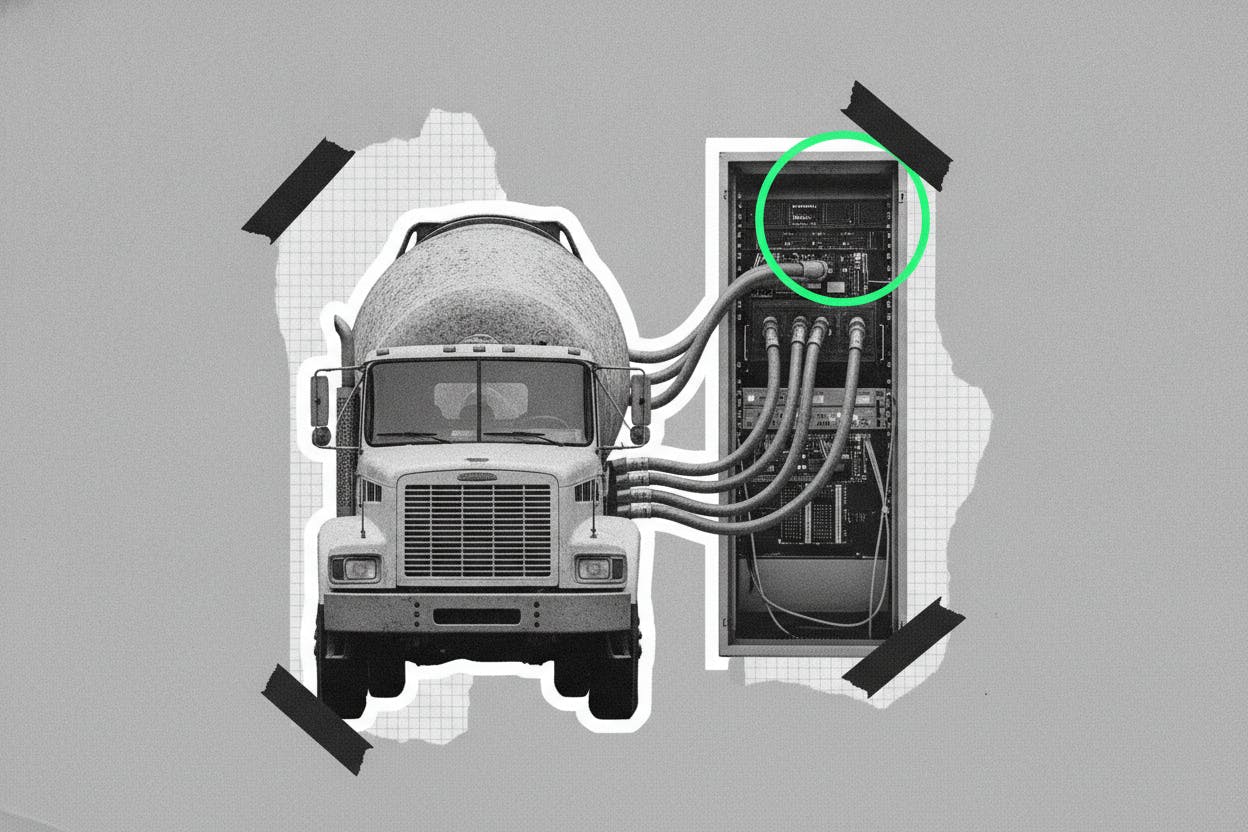
At first glance, a company known for cement, aggregates, and asphalt might seem an unlikely beneficiary of the artificial intelligence boom. But data centers are physical structures — massive ones — that require enormous amounts of concrete, steel, and other building materials. Every new facility needs foundations, floors, and supporting infrastructure, all of which rely on the kind of products CRH makes.
RBC highlighted that CRH is particularly well positioned for this trend: 85% of planned US data center sites are located within 25 miles of a CRH facility. That proximity is a logistical advantage in an industry where transportation costs are a big part of the final price. Being close to a project site means lower delivery costs and faster response times, which can help CRH win contracts and protect margins.
The data center boom is not just a US phenomenon. Tech giants and cloud providers are pouring billions into new facilities worldwide, and the demand for power and cooling is also driving investment in related infrastructure. This has created a multi-year tailwind for building materials companies that can supply the concrete and other materials needed for these projects. For more on the scale of this investment wave, see our coverage of KKR's record infrastructure fund targeting AI data centers.
US infrastructure spending provides a steady base
Beyond data centers, RBC credited steady demand tied to US infrastructure spending, including projects funded by the Infrastructure Investment and Jobs Act (IIJA). That 2021 law authorized more than $1 trillion in federal spending on roads, bridges, broadband, and other public works over several years.
Unlike housing, which can swing sharply with interest rates and economic sentiment, government-funded infrastructure projects tend to move on multi-year timelines. Once a project is approved and funded, it typically proceeds regardless of short-term economic conditions. That gives companies like CRH a more predictable revenue stream, which investors often value highly.
CRH has been repositioning itself to take advantage of this trend. The company has expanded its US footprint through acquisitions and divested some European operations, making it more focused on the North American market. This strategy appears to be working, as the US is now CRH's largest market, and infrastructure spending there remains robust.
What it means for investors
For everyday investors, CRH's results offer a few takeaways. First, they illustrate how the AI and data center boom is rippling through the broader economy, benefiting not just chipmakers and cloud providers but also the companies that build the physical infrastructure. This is a theme that has been visible in other sectors too, such as utilities benefiting from data center power demand.
Second, the results highlight the value of diversification within a company's revenue streams. CRH's mix of infrastructure, non-residential construction, and data center work helped it weather a downturn in homebuilding. For investors, this suggests that companies with exposure to multiple end markets may be better positioned to handle sector-specific slowdowns.
Third, the IIJA's multi-year funding cycle provides a degree of visibility that many companies lack. While no one can predict exactly when each project will break ground, the overall pipeline is large and well-funded. That can support earnings growth for several years, which is one reason analysts remain positive on CRH.
Of course, there are risks. A sharp economic downturn could delay some projects, and competition in the building materials industry is intense. Also, CRH's stock has already risen significantly over the past year, so some of the good news may already be priced in. Investors should always consider their own financial situation and risk tolerance before making any decisions.
RBC's note is just one analyst's view, but it adds to a growing chorus of optimism about infrastructure and data center construction. As the world continues to build out digital and physical infrastructure, companies like CRH are likely to remain in the spotlight. For more on how data center demand is shaping corporate strategies, see MediaTek's $5B bet on data center AI chips.
In the near term, investors will be watching whether CRH can maintain its momentum through the second half of the year, and whether the data center boom continues to accelerate. With the US election approaching, there is also some uncertainty about future infrastructure spending, but the IIJA funds are already allocated and are expected to flow for years to come.
For now, CRH's second-quarter performance is a reminder that sometimes the biggest beneficiaries of a technological revolution are not the flashy tech companies themselves, but the firms that build the foundations — literally — for the digital age.