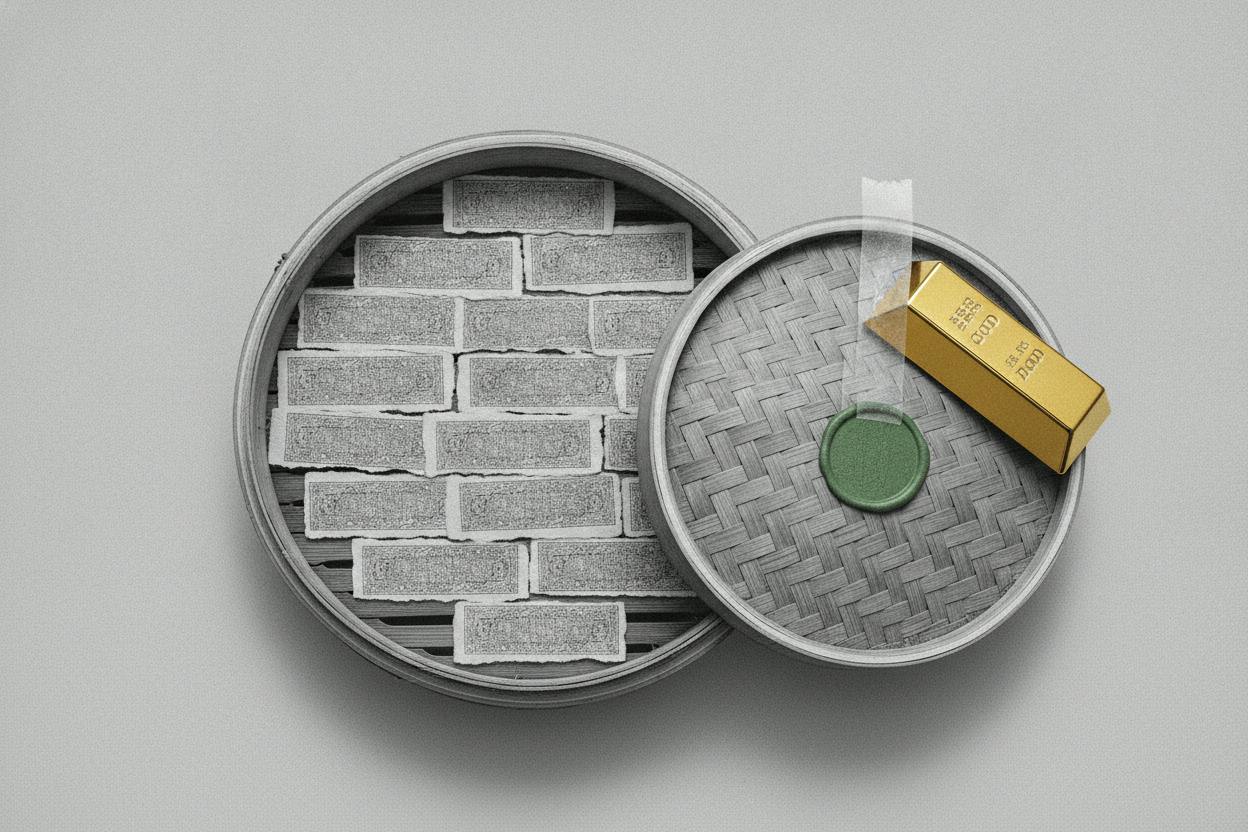
The Czech crown traded in a narrow range ahead of the Czech National Bank's (CNB) policy meeting, where investors widely expected the key repo rate to stay at 3.75%. The rate was raised by a quarter-point in June, and the central bank's updated forecast could still lean hawkish, reviving expectations of another hike in the autumn.
With the crown near 24.185 per euro, traders treated the decision as less about today's rate and more about what officials signal next. A Reuters poll of 12 analysts pointed to a hold, but Československá obchodní banka (ČSOB), a major Czech lender, said the bank's updated forecast could still come off hawkish, reviving expectations of another hike in the fall.
Why the CNB is cautious
The CNB has been navigating a delicate balance. Inflation in the Czech Republic ticked up to 1.7% recently, but services prices remain hot, keeping the central bank cautious. That's why the bank hiked in June after a period of easing, and why it may not be done yet.
For everyday investors, the key takeaway is that interest rates in the Czech Republic are likely to stay higher for longer than previously expected. That affects everything from mortgage rates to the returns on savings accounts and government bonds.
What the hold means for the crown
When a central bank holds rates steady, it's often the accompanying statement and forecasts that move markets. If the CNB signals that another hike is possible, the crown could strengthen as investors seek higher yields. Conversely, a dovish tone could weigh on the currency.
The crown's stability suggests that markets have already priced in a hold, and the focus is on the forward guidance. This is a common pattern in currency markets: the actual decision is less important than the outlook.
Hungary's forint slips
In neighboring Hungary, the forint slipped 0.4% in thin summer trading. The move was modest, reflecting low liquidity rather than a major shift in sentiment. Summer months often see reduced trading volumes, which can amplify small moves.
For investors with exposure to Central European currencies, the forint's dip is a reminder that these markets can be volatile, especially when trading is quiet. The forint has been sensitive to global risk sentiment and domestic policy signals.
What it means for investors
For everyday investors, the CNB's decision is a signal about the direction of Czech interest rates. If the bank hikes again in the autumn, that could push up yields on Czech government bonds and make the crown more attractive to foreign investors. On the flip side, higher rates can weigh on economic growth and corporate profits.
If you hold Czech assets or are considering them, keep an eye on the CNB's next moves. The bank's updated forecast, due with the decision, will be crucial. A hawkish surprise could boost the crown, while a dovish tone might lead to weakness.
For those with no direct exposure, the story is still relevant as part of the broader European rate picture. Central banks across the region are grappling with sticky inflation and slowing growth, and their decisions can ripple through global markets.
Broader context
The CNB's stance is in line with a global trend of central banks being cautious about cutting rates too quickly. In the euro area, the European Central Bank has also been data-dependent, while the U.S. Federal Reserve is watching inflation closely. This environment of uncertainty keeps currency markets on edge.
For investors, the lesson is to stay diversified and not overreact to single-day moves. The crown's steadiness and the forint's slip are small pieces of a larger puzzle.
As always, it's wise to consult a financial advisor before making any investment decisions based on currency or interest rate expectations.