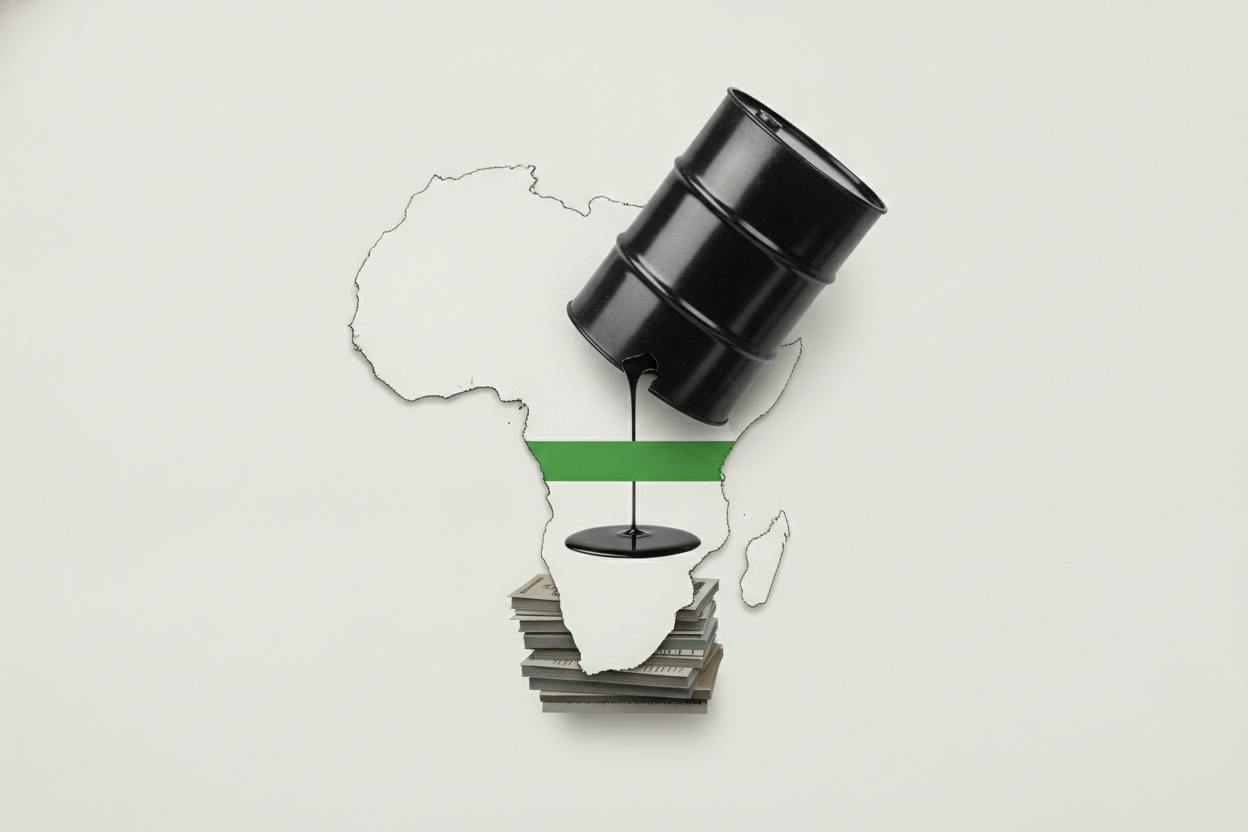
Oil prices cooled this week, and Africa's market tone shifted as investors balanced signs of more Russian crude heading to global markets against a flurry of major financing developments from Nigeria, Kenya, and Zambia. The moves highlight a region where energy costs and access to external capital remain central to economic stability.
Oil eases on Russian supply hopes
Crude edged lower after comments from US President Donald Trump fueled expectations that additional Russian supply could reach global markets. For many African nations that import more oil than they produce, cheaper energy is a welcome relief. Lower crude prices can help slow inflation, reduce the pressure on scarce US dollars, and often support local currencies.
This dynamic is especially relevant for countries like Kenya and Zambia, where fuel imports are a significant drain on foreign exchange reserves. A sustained drop in oil prices could ease some of the strain on their current accounts and give central banks more room to manage monetary policy.
Dangote refinery plans landmark listing
In Nigeria, the Dangote refinery is lining up what is being pitched as a landmark stock market listing. The refinery, one of Africa's largest industrial assets, could offer investors a rare opportunity to gain exposure to a major downstream oil project on the continent. A listing would also provide a liquidity event for its owners and potentially attract foreign capital into Nigeria's equity market.
While details remain thin, a successful listing would be a significant milestone for Africa's capital markets. It could also signal growing investor confidence in Nigeria's economic reforms, which have included efforts to unify exchange rates and reduce fuel subsidies.
Kenya Airways gets a financial lifeline
In Kenya, the government approved $350 million of shareholder financing for Kenya Airways to help the national carrier meet near-term obligations. The airline has struggled with high debt and operational losses for years, and this injection is aimed at keeping it afloat while a broader restructuring or privatization plan is considered.
For investors, the move underscores the fiscal burden that state-owned enterprises can place on government budgets. It also highlights the challenges facing African airlines, which often contend with high fuel costs, currency volatility, and intense competition from Gulf carriers.
Zambia's IMF deal: a credibility boost
In Zambia, the International Monetary Fund said it reached a staff-level agreement on a new Extended Credit Facility worth about $1.5 billion. This is an important step toward a formal program and fresh external funding, though it is not yet final—the IMF's executive board must still approve the arrangement.
For markets, the staff-level agreement is a strong signal. It suggests Zambia is close to a policy package and financing plan that outside lenders recognize as credible. That can reduce the risk premium investors assign to Zambian debt, often narrowing the “credit spread”—the extra interest rate a borrower pays over US government bonds to compensate for risk.
If the spread tightens, Zambia's eurobonds become cheaper to refinance, and Zambian companies that borrow at rates tied to the sovereign could see improved borrowing conditions. This is a positive development for a country that defaulted on its debt in 2020 and has been working through a complex restructuring process.
What it means for investors
For everyday investors, these stories are more than just headlines—they reflect the broader forces shaping African markets. Cheaper oil can ease inflation pressures and support currencies, which is good for consumers and businesses alike. A successful Dangote listing could open up new investment opportunities in one of Africa's most important industrial sectors. And Zambia's IMF deal could reduce the risk of holding its debt, potentially benefiting investors in emerging market funds.
However, it's important to remember that these are early signals. Staff-level agreements can still fall through, listings can be delayed, and government financing can come with strings attached. Investors should watch for final approvals, listing details, and how these developments affect broader market sentiment.
As always, diversification and a long-term perspective remain key. African markets can offer growth potential, but they also come with higher volatility and political risk. Staying informed about these macro developments is a crucial part of making sound investment decisions.