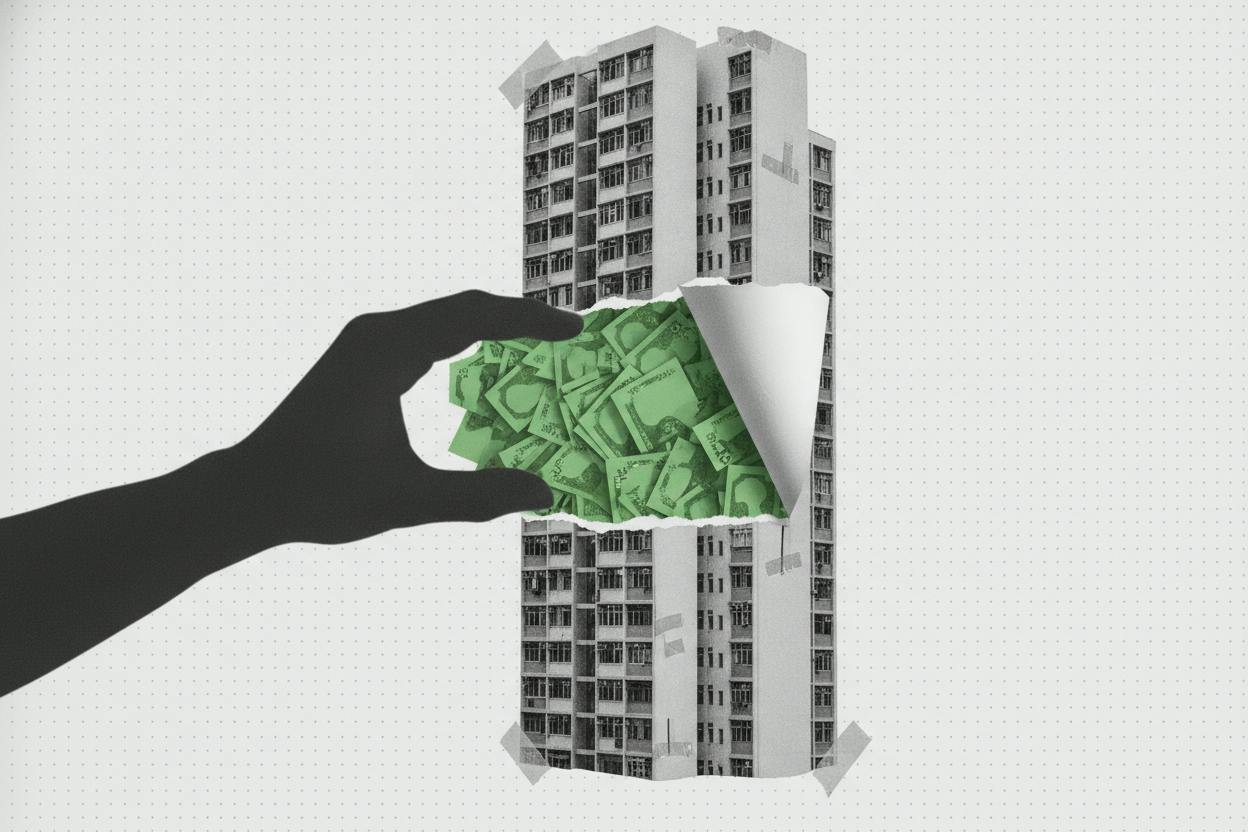
David Jones, the 188-year-old Australian department store chain, has collapsed into administration, leaving a A$459 million hole in its finances. The insolvency firm McGrathNicol has taken control after the retailer failed to secure rent concessions ahead of the crucial Christmas trading period. Administrators are now working to sell the business, while receivers from FTI Consulting are moving to shut 19 of its 38 stores across Australia and New Zealand.
The scale of the debt
The numbers paint a stark picture of a company that was bleeding cash. According to administrators, David Jones owes A$155 million to secured lender Hilco, A$180 million to 940 unsecured creditors, A$11 million to 6,242 employees, and A$33 million sits on 802,319 outstanding gift cards. Those figures reflect a business that was struggling long before the administration: losses reportedly widened to A$228 million from A$16 million a year earlier, even as revenue ticked up to A$2.04 billion.
For context, a secured lender like Hilco has a claim on specific assets, such as property or inventory, and gets paid first from any sale proceeds. Unsecured creditors—who include suppliers, landlords, and gift card holders—are further down the line and often recover only a fraction of what they're owed. Employees' wages and entitlements are usually given priority under Australian law, but the exact recovery depends on the sale price and the order of claims.
What happens to gift cards?
If you're holding a David Jones gift card, the A$33 million in outstanding balances is now part of the creditor line. A gift card feels like money, but in an administration it usually turns into an insolvency claim: you're owed value by the company, not holding cash. Gift-card balances typically sit with unsecured creditors, meaning they only get paid after secured lenders and other higher-priority claims are satisfied. So even though McGrathNicol counts 802,319 cards outstanding, whether cardholders can redeem them in full—or how long they may have to wait—will likely hinge on how the sale process ends and how much is left once the top of the payout waterfall has been covered.
In many retail collapses, administrators keep stores trading for a period to sell off stock and preserve the business as a going concern. That can mean gift cards are still honoured for a while, but it's not guaranteed. Shoppers should check the administrators' updates for the latest guidance.
Why did this happen?
David Jones has been a fixture of Australian retail for nearly two centuries, but the department store model has faced mounting pressure from online competitors, changing consumer habits, and high operating costs. The company's failure to secure rent concessions from landlords was the immediate trigger, but the underlying losses suggest deeper structural problems. Retailers like this often struggle to adapt to a world where shoppers expect convenience, low prices, and seamless online experiences—areas where traditional department stores have lagged.
The broader economic backdrop hasn't helped. High interest rates and cost-of-living pressures have made consumers more cautious, hitting discretionary spending on clothing, homewares, and other non-essentials. That's a familiar story for many retailers, and it's why the sector has seen a wave of insolvencies in recent years.
What it means for investors
For everyday investors, the David Jones collapse is a reminder of the risks in retail. If you hold shares in a company that goes into administration, you're typically at the very back of the creditor queue—after secured lenders, employees, and unsecured creditors. In most cases, shareholders get nothing. That's why diversification matters: a single company's failure shouldn't sink your portfolio.
The sale process will be the key thing to watch. Administrators are sounding out buyers, and if a buyer emerges, there's a chance the business—or parts of it—can be salvaged. That could mean jobs saved and some creditors recovering more than they would in a liquidation. But if no buyer steps forward, the receivers will wind down operations, and the recovery for unsecured creditors, including gift card holders, could be minimal.
For investors in the broader retail sector, this is a cautionary tale about the importance of balance sheet strength and adaptability. Companies with heavy debt loads and inflexible cost structures are more vulnerable to economic downturns. On the other hand, well-capitalised retailers with strong online offerings and efficient supply chains are better positioned to weather the storm. As the David Jones saga unfolds, it's worth keeping an eye on how other retailers are managing their costs and debt—especially heading into the holiday season, which can make or break a retailer's year.
In the meantime, if you're a David Jones customer with a gift card, the advice is to stay informed and act quickly if administrators announce a deadline for redemption. And if you're an investor, remember that insolvency is a reminder of the old adage: in the financial food chain, shareholders eat last.