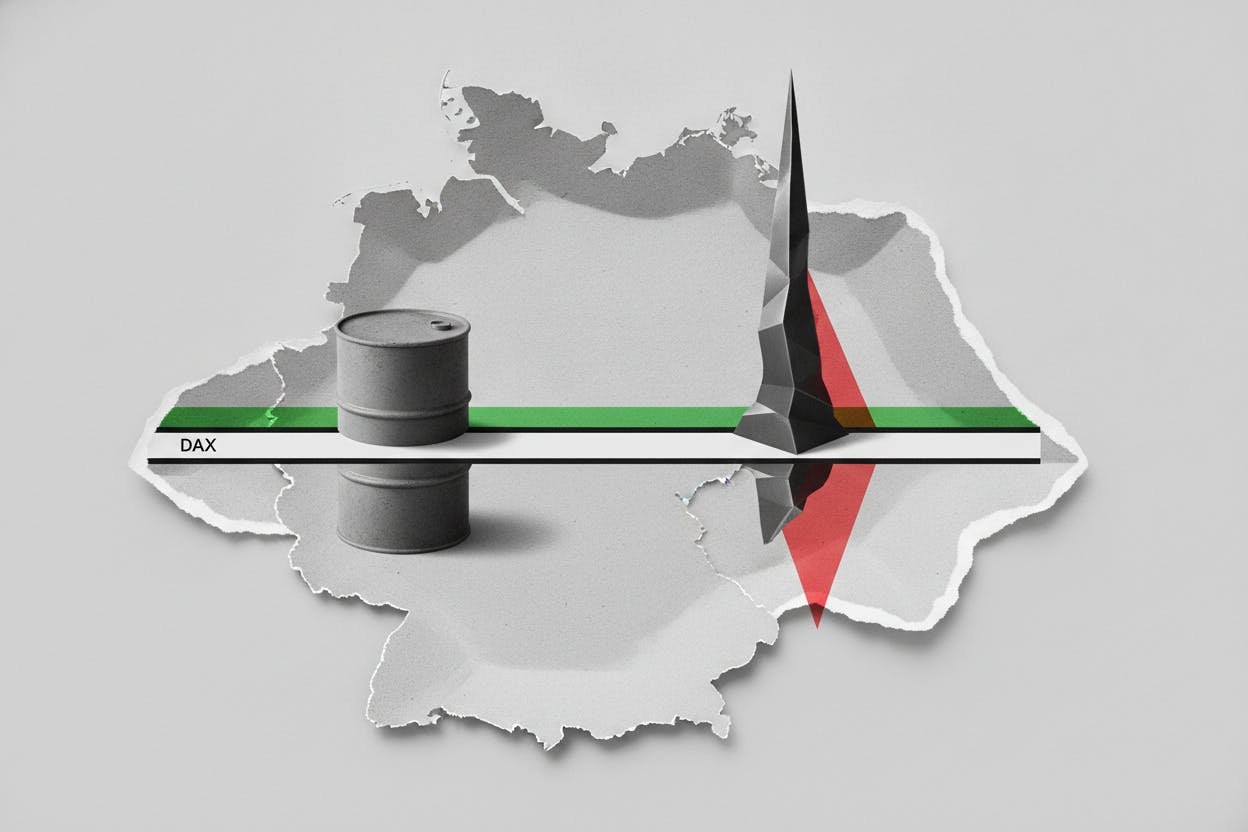
Germany's benchmark DAX index barely budged in a busy earnings session, but two stocks stole the spotlight: chemicals giant BASF and defense contractor Rheinmetall both posted gains on their latest quarterly numbers.
BASF: Steady as She Goes
BASF shares rose after the company reported second-quarter results that broadly matched analyst expectations. Group sales climbed 16.4% year-on-year to €17.21 billion, according to mwb Research, an analyst firm that noted the upside came more from improved margins than from volume growth.
For a company like BASF, which makes everything from industrial chemicals to agricultural products, in-line results are often seen as a sign of stability in a volatile global economy. The chemicals sector has been under pressure from high energy costs and weaker demand in Europe, so matching forecasts is no small feat. Investors appeared to reward that consistency, pushing the stock higher even as the broader market stalled.
This kind of performance can be reassuring for everyday investors. When a large, diversified company like BASF delivers results that meet expectations, it suggests management is navigating headwinds effectively. It doesn't signal a breakout, but it does indicate resilience.
Rheinmetall: Defense Boom Continues
Rheinmetall, Germany's largest defense contractor, jumped after reporting a big revenue gain and an operating profit beat. The company has been a major beneficiary of increased military spending across Europe, driven by the war in Ukraine and NATO commitments to boost defense budgets.
The defense sector has seen a surge in demand for everything from ammunition to armored vehicles. Rheinmetall's strong quarterly performance reflects that trend. Revenue growth was substantial, and the operating profit beat suggests the company is not just selling more but doing so profitably.
For investors, Rheinmetall's results highlight how geopolitical events can create tailwinds for specific industries. Defense stocks have been among the best performers in Europe over the past year, but they also carry risks tied to government budgets and political shifts. A profit beat like this one can reinforce confidence in the company's ability to execute on its order book.
What It Means for the DAX and Broader Markets
The DAX's flat performance masks a lot of movement beneath the surface. While BASF and Rheinmetall gained, other stocks likely dragged the index down. This is typical of earnings season, where company-specific news drives individual stock moves more than macroeconomic factors.
Germany's economy has been under pressure from high inflation, rising interest rates, and weak export demand, particularly from China. The DAX has struggled to find direction in recent months, caught between these headwinds and hopes that the European Central Bank might soon cut rates. Earnings reports like these provide a reality check on how companies are actually performing.
For everyday investors, the key takeaway is that a flat index doesn't mean nothing is happening. Individual stocks can diverge sharply based on their own results. Diversification across sectors can help manage that risk, but it also means you might miss out on big moves in names like Rheinmetall if you're not exposed to defense.
What to Watch Next
Investors will be watching for more earnings reports from DAX components in the coming weeks. The focus will be on whether other industrial and chemical companies can match BASF's stability, and whether defense stocks like Rheinmetall can sustain their momentum.
Broader market sentiment will also hinge on ECB policy signals and economic data from Germany and the eurozone. Strong earnings from individual companies can provide a floor for the market, but they may not be enough to lift the entire index if macro headwinds persist.
For now, BASF and Rheinmetall show that even in a flat market, there are opportunities for investors who pay attention to company fundamentals. But as always, past performance is no guarantee of future results, and individual stocks carry their own risks.