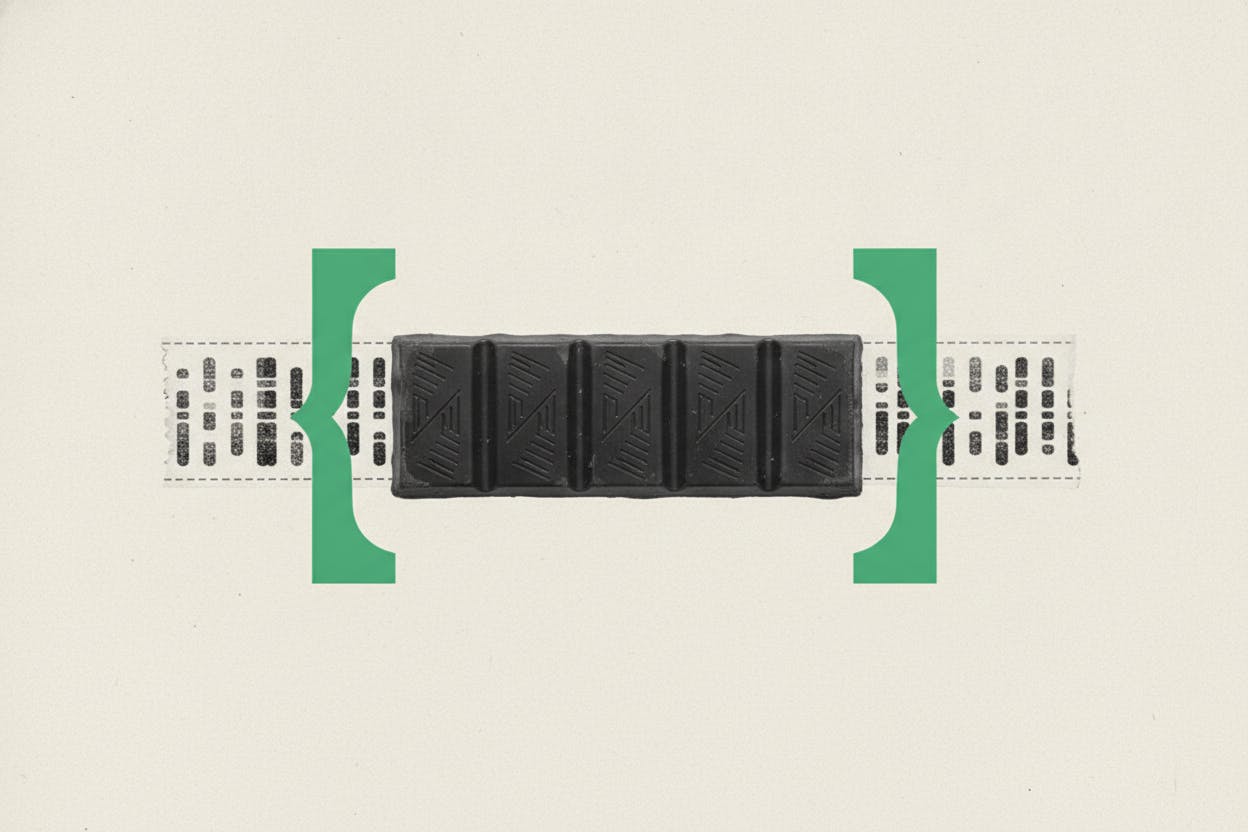
Hershey could report second-quarter revenue below Wall Street expectations when it announces results Thursday, according to a note from RBC Capital Markets. The investment bank points to weaker North American candy consumption as the culprit, based on retail scanner data that tracks actual purchases at store checkouts.
What the data shows
RBC's analysis of scanner data reveals that Hershey's total consumption fell 0.6% in the June quarter, with confection sales dropping 2.9%. For a consumer brand like Hershey, weaker volumes can offset any price increases the company has implemented, leaving reported revenue short of analyst forecasts.
The bank's call is notable because scanner data provides a real-time read on consumer demand, unlike company-reported figures that can be influenced by inventory builds or timing of shipments to retailers. When scanner data shows a decline, it often signals that products aren't moving off shelves as quickly as expected.
Management's 2026 outlook
Despite the expected softness in the second quarter, RBC believes Hershey's management will maintain its 2026 financial outlook when it reports. The company has previously laid out multiyear targets that investors have been watching closely, especially after other companies have raised their 2026 outlooks recently.
However, RBC suggests management may hint that results could land at the lower end of that range. That nuance matters for investors because it signals whether the company sees the current weakness as temporary or more persistent.
Broader context for candy sales
The softer candy consumption comes against a backdrop where consumers have been more selective with discretionary spending. Higher prices for everyday essentials like groceries and housing have squeezed household budgets, and candy—while a small-ticket item—is often seen as an impulse purchase that consumers can easily skip.
Hershey has also faced competition from private-label brands and changing snacking habits. The company has tried to offset these pressures through product innovation and marketing, but the scanner data suggests those efforts haven't fully shielded it from the broader slowdown.
What it means for investors
For everyday investors, the key takeaway is that Hershey's upcoming earnings report may show a revenue miss, but the company's long-term targets remain intact—at least for now. That creates a mixed picture: short-term disappointment could weigh on the stock, but the maintained outlook provides some reassurance about the company's strategic direction.
Investors should watch for several things in Thursday's report: actual revenue versus consensus estimates, any commentary on consumer trends, and whether management adjusts its full-year guidance. If Hershey does report a miss but keeps its 2026 targets, the market reaction will likely depend on how convincing management's explanation is for the weakness.
It's also worth noting that one quarter of softness doesn't necessarily signal a long-term problem. Consumer staples companies like Hershey often experience lumpy sales patterns due to timing of promotions, holidays, and retailer inventory management. The company's ability to maintain its 2026 outlook suggests management sees the current weakness as manageable.
Looking ahead
The second-quarter report will be closely watched not just for Hershey's numbers, but for what it says about the broader consumer environment. If a company with strong brand recognition like Hershey is seeing softer sales, it could signal that other consumer-focused companies may face similar headwinds.
RBC's analysis highlights the importance of looking beyond headline earnings per share to understand what's really driving a company's performance. Scanner data, while not perfect, gives a more granular view of consumer demand than company-reported revenue alone.
For now, Hershey investors should brace for a potentially messy quarter but keep an eye on the longer-term picture. The company's ability to navigate this soft patch while sticking to its strategic goals will be the real test.