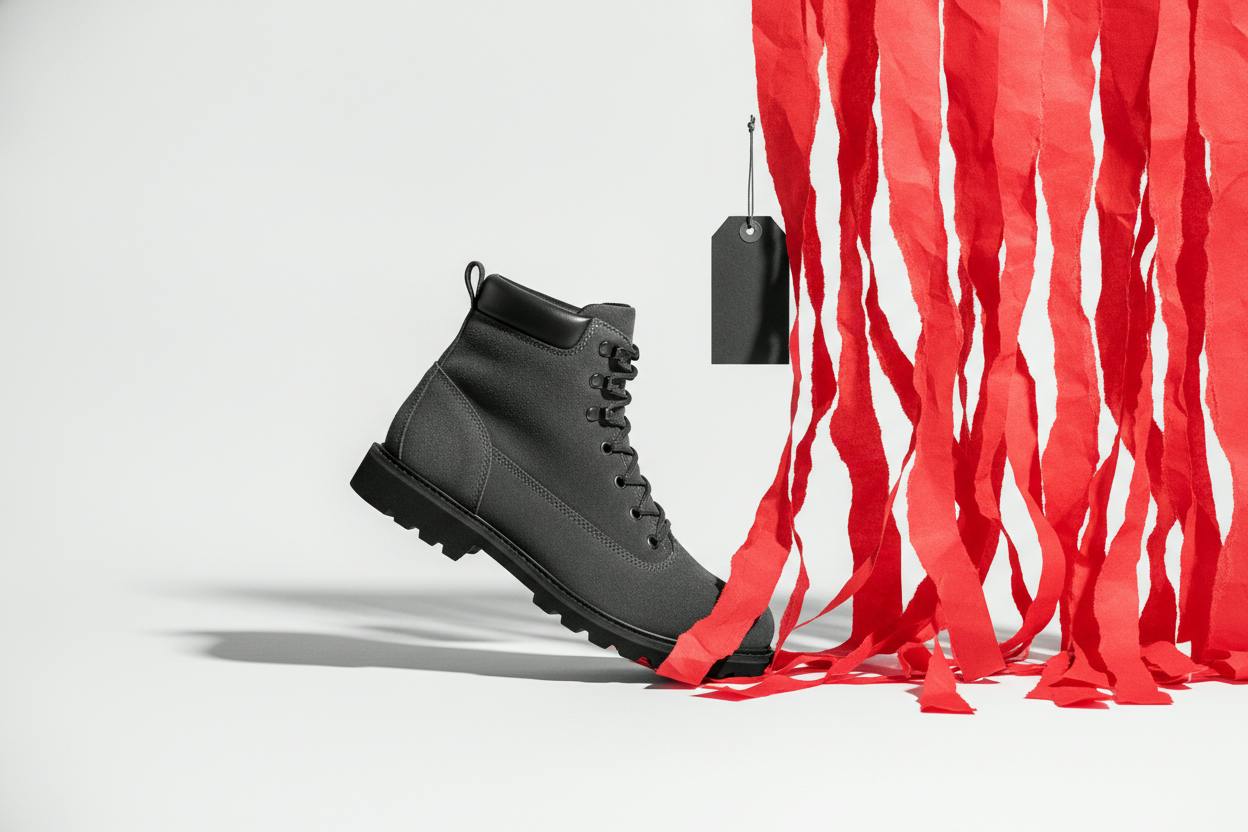
Deckers, the company behind the UGG boots and Hoka running shoes, learned a tough lesson in the latest quarter: holding the line on prices can cost you sales when everyone else is slashing theirs. The footwear maker missed Wall Street's revenue expectations for the quarter ended September 30, and its shares tumbled 8% in after-hours trading.
The company reported $1.48 billion in sales, falling short of the $1.51 billion analysts had forecast. While profit rose 27%—a sign that its strategy of avoiding deep discounts is protecting margins—the revenue miss shows the trade-off that many consumer brands face in a competitive market.
Full-price discipline vs. discounting rivals
Deckers has long positioned itself as a premium brand, and its management has emphasized "full-price discipline"—meaning it avoids heavy promotions to protect the perceived value of its products. That approach can boost profitability per item, but it becomes harder to sustain when competitors are aggressively discounting to win over budget-conscious shoppers.
In the U.S., Deckers' direct-to-consumer sales fell 6.4% during the quarter, a clear sign that some customers opted for cheaper alternatives. The company's rivals, which include a range of athletic and casual footwear brands, have been more willing to offer deals to move inventory, especially as consumer spending shows signs of cooling.
This isn't just a Deckers problem. The broader retail environment has been marked by cautious consumers who are more price-sensitive than they were a year ago. Higher interest rates and lingering inflation have made shoppers think twice before paying full price for non-essential items like a new pair of boots or sneakers.
What it means for investors
For everyday investors, Deckers' miss is a reminder that a company's ability to grow sales and protect profit margins are often in tension. When a brand chooses to hold prices steady, it can preserve its image and keep profit per item high—but it risks losing market share to competitors who are willing to deal.
The 27% rise in profit is a positive sign, but the market's reaction shows that investors are focused on the top line. If sales continue to lag, the company may eventually have to choose between cutting prices to win back customers or accepting slower growth.
Deckers' situation echoes challenges seen elsewhere in the retail and luxury sectors. For example, Gucci's sales slide has tested Kering's turnaround strategy, as even high-end brands face pressure from cautious shoppers. Similarly, Boot Barn's next update could hinge on its Q3 sales trend, as retailers across the spectrum grapple with shifting consumer behavior.
Investors should watch how Deckers balances its pricing strategy with the need to keep shelves moving. The company's full-price stance may pay off in the long run if it preserves brand equity, but in the short term, it's a bet that shoppers will eventually come back—even if they have to pay a bit more.
The bigger picture
Deckers' miss is part of a broader trend in the consumer sector, where companies are navigating a delicate balance between maintaining pricing power and driving volume. Some companies have managed to beat expectations by raising prices without losing customers, as seen with P&G's recent sales outlook after an acquisition. But others, like Deckers, are finding that consumers are more willing to trade down when given the chance.
For investors, the key takeaway is to pay attention to how companies manage pricing in a competitive environment. A company that can hold prices and still grow sales is in a strong position. But if it has to choose, the market often rewards sales growth over short-term profit gains—at least in the near term.
Deckers' next earnings report will be closely watched to see if the full-price strategy starts to pay off or if the company is forced to join the discounting fray. Until then, the stock's after-hours drop is a clear signal that investors are worried about the company's ability to keep growing in a crowded market.