Western Digital, a leading maker of data-storage hardware, delivered fiscal first-quarter results that beat Wall Street's forecasts. But the stock still slipped after executives signaled that spending on AI-related capacity could run higher than usual, and that a rival may add more hard-disk-drive (HDD) supply. The mixed reaction shows how investors are increasingly weighing future cash needs against today's earnings beats.
What the numbers show
For the quarter, Western Digital reported adjusted earnings of $4.64 per share on revenue of $4.38 billion. Both figures came in ahead of FactSet estimates. The company also issued second-quarter guidance that analyst firm Wedbush said was stronger than expected, helped by firm pricing and solid demand tied to AI data centers.
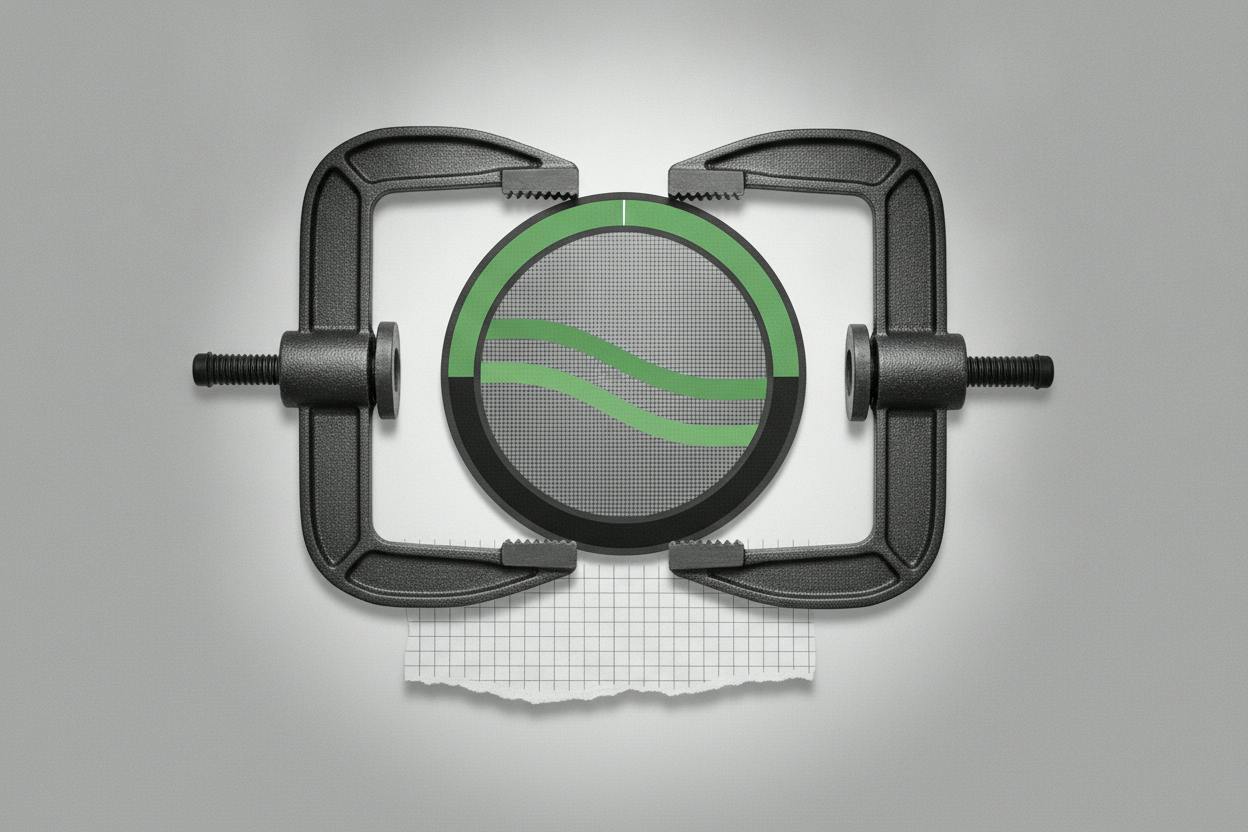
That would normally be enough to lift a stock. But the mood shifted when management discussed capital spending, or capex. Executives suggested that spending could run above the top end of its usual quarterly range in the current fiscal year and the next. Capex is the money a company invests in equipment, factories, and other long-term assets. For a storage maker, that often means expanding production capacity or upgrading technology.
Higher capex can shrink free cash flow, because more cash goes into equipment and capacity rather than staying available for debt paydown, buybacks, or flexibility. Investors tend to watch free cash flow closely because it represents the money a company can actually return to shareholders or use for other purposes.
Why AI spending is a double-edged sword
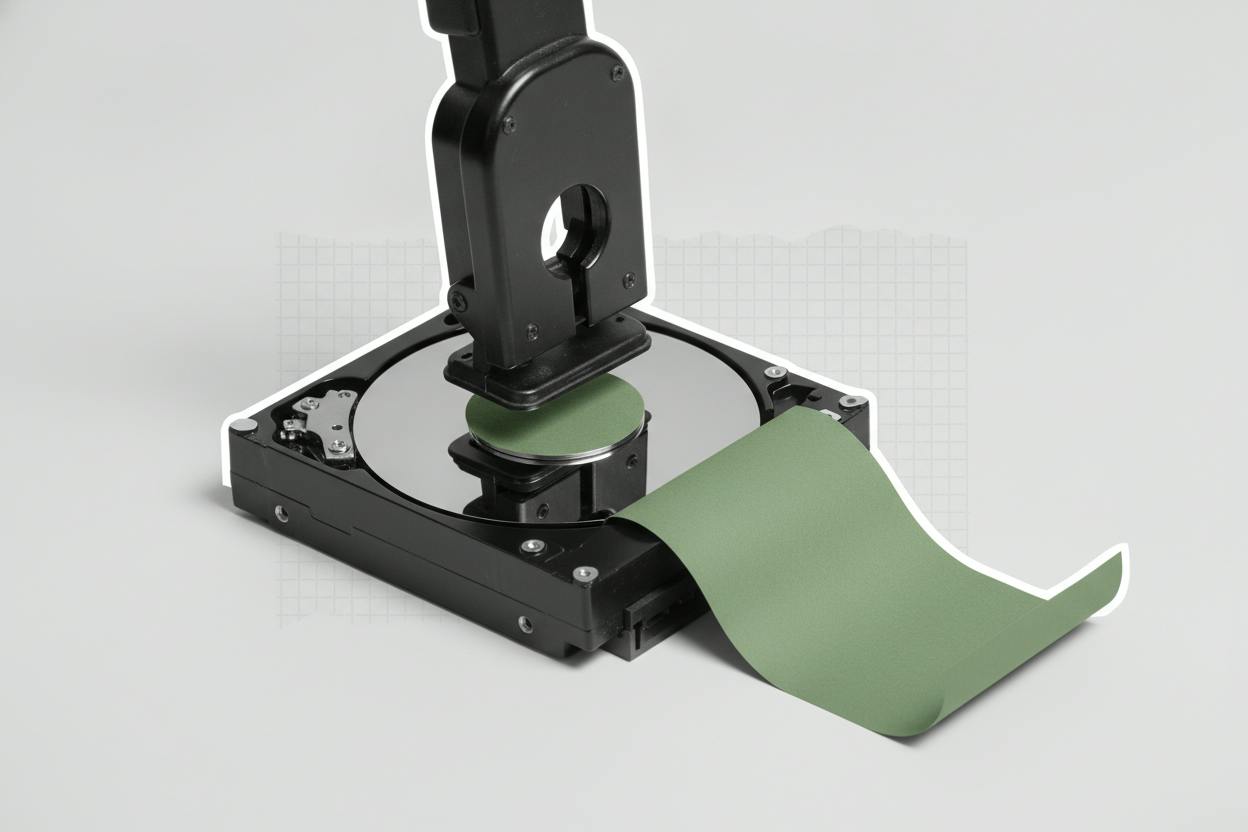
The surge in demand for AI services has been a major tailwind for companies that supply the underlying hardware. Data centers need vast amounts of storage, and Western Digital is one of the key players. But meeting that demand requires heavy investment. The same AI boom that boosts revenue can also force companies to spend heavily to keep up.
This dynamic is playing out across the tech sector. As AI earnings and the Fed decision set up a pivotal week for US stocks, investors are scrutinizing how much of each company's profits will be reinvested. A similar pattern emerged when Meta's AI spending spooked tech investors in emerging Asia, and when Safran's aftermarket slowdown spooked investors despite strong sales. In each case, the market focused less on the headline beat and more on what it means for future cash generation.
For Western Digital, the debate shifts from “How fast are profits growing?” to “How much cash will actually be left after the spending?” Even a strong earnings report can be overshadowed if investors start modeling higher spending for AI-driven capacity.
Supply worries add to the pressure
Wedbush also flagged management's comment that Toshiba, a Japanese electronics company, may add incremental hard-drive output. That could loosen supply and pressure pricing later. Hard drives are a key product for Western Digital, and any increase in industry supply can push prices down, squeezing margins.
The storage market has historically been cyclical, with periods of tight supply and high prices followed by oversupply and falling prices. Investors are wary of any sign that the current favorable pricing environment might not last. If Toshiba adds capacity, it could tip the balance toward oversupply sooner than expected.
That's why Western Digital can deliver $4.64 in earnings per share and upbeat guidance, yet still see the stock wobble. The market has another reason to focus on margins and cash flow instead of headlines.
What it means for investors
For everyday investors, the key takeaway is that an earnings beat is not always enough to move a stock higher. What matters is what the company says about the future. Capex guidance is a window into how much of tomorrow's profits will have to be reinvested just to keep up with demand. If spending rises, free cash flow may fall, and that can affect the stock's valuation.
Investors should also watch the supply side. Any sign that competitors are adding capacity could signal softer pricing ahead. For storage makers, pricing is a major driver of profitability, so even a hint of oversupply can weigh on sentiment.
Western Digital's situation is a reminder that in the AI era, the biggest winners may also be the biggest spenders. The companies that benefit from AI demand often have to invest heavily to capture it. That can be good for long-term growth, but it can also reduce the cash available to shareholders in the near term.
As the earnings season continues, investors will likely keep a close eye on how other tech companies balance growth and spending. The pattern seen with Western Digital is not unique, and it could shape market moves in the coming weeks.