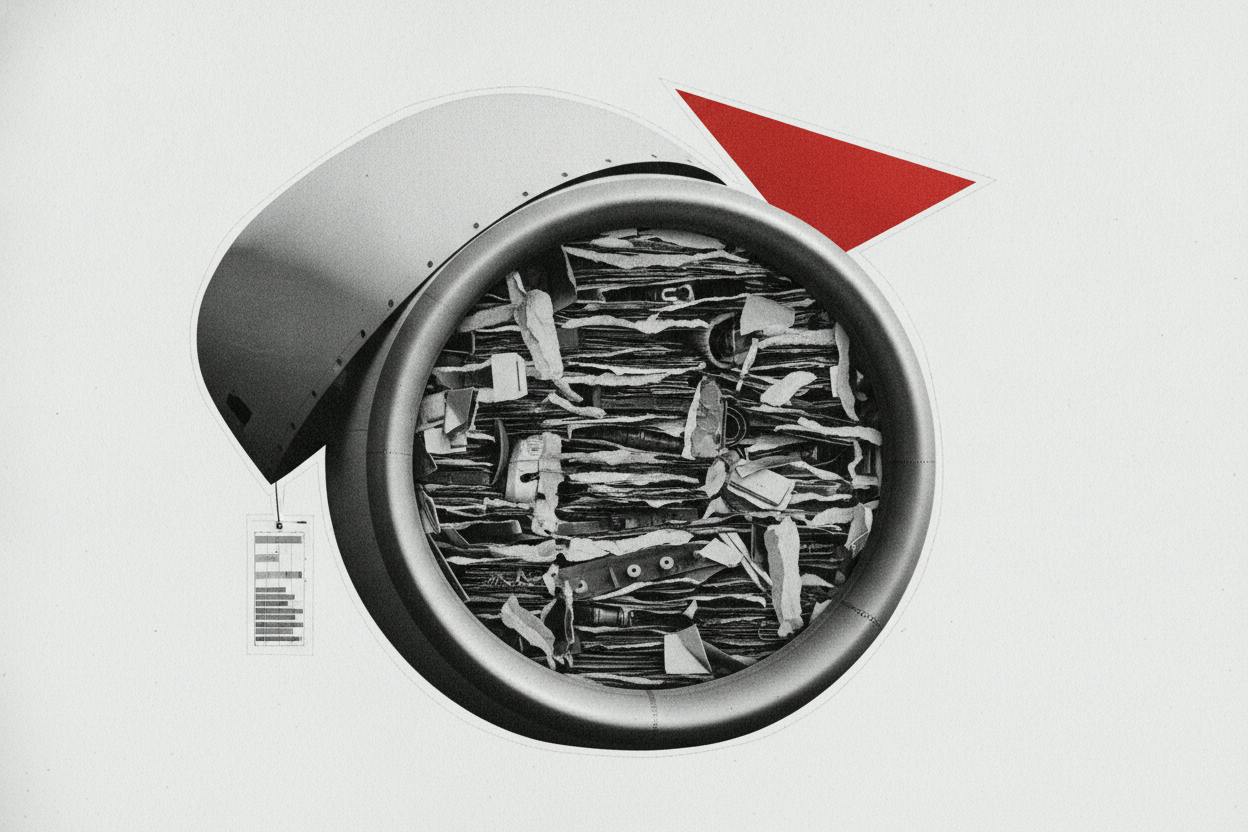
French aerospace supplier Safran reported €9 billion in third-quarter revenue on Friday, but investors were less impressed by the headline number than by what they saw in the details. The company's shares fell 6% after analysts homed in on slower growth in its lucrative spare-parts and maintenance business, a segment that typically carries much higher profit margins than selling new engines.
Safran, which makes engines for commercial jets and also supplies aircraft equipment and defense systems, said overall sales rose 13.4% on an organic basis, led by its propulsion division. Within that unit, aftermarket revenue—the spare parts and maintenance services that keep planes flying—grew 18.7% in the quarter. That sounds strong, but it was below what some analysts had expected, and it marks a slowdown from the pace earlier in the year.
Why aftermarket growth matters so much
For aerospace suppliers like Safran, the aftermarket is the profit engine. Selling a new engine often comes with thin margins, but the real money is made over the decades that follow, as airlines buy replacement parts and pay for regular maintenance. These services carry higher margins and provide a more predictable revenue stream than the lumpy business of delivering new engines.
That's why the market's reaction was so sharp. When investment bank Jefferies flagged that aftermarket growth had slowed and missed expectations, it raised doubts about how quickly Safran's margins and cash flow can expand—even if total revenue looks healthy. A small change in aftermarket momentum can translate into a much bigger swing in expected operating profit and free cash flow than a similar change in headline sales.
CEO Olivier Andries pushed back on the concern, arguing that demand remains intact and reiterating the company's guidance for roughly 25% full-year spare-parts growth. He also pointed to strengthening defense orders, with the Equipment and Defence unit bringing in €3.6 billion in quarterly revenue, slightly above expectations.
What this means for investors
The gap between the quarter's 18.7% aftermarket growth and management's full-year target of about 25% is what spooked the market. Investors are now asking whether the slowdown is a temporary blip or a sign that the aftermarket boom is cooling. Until there's clearer evidence that growth can hold up, Safran's stock is likely to remain sensitive to each quarterly update.
This dynamic isn't unique to Safran. Rivals like GE Aerospace are also leaning on maintenance strength to support their medium-term profit targets. For investors, the lesson is that in the aerospace sector, the health of the aftermarket can be a better indicator of future profitability than the headline revenue number.
Safran's situation also echoes broader trends in the aviation industry. As airlines continue to fly older planes longer due to delivery delays from Boeing and Airbus, demand for spare parts and maintenance should remain robust. But any sign of softening—whether from airlines cutting back on discretionary maintenance or from supply chain improvements that reduce the need for repairs—can quickly change the outlook.
For now, Safran is sticking with its 2026 outlook, which it reaffirmed after raising its full-year targets in July. That suggests management sees the current slowdown as temporary. But investors will be watching closely to see if the aftermarket growth rate recovers in the coming quarters.
Broader market context
Safran's share price drop comes amid a mixed day for European markets. While some sectors were buoyed by positive earnings news, aerospace and defense stocks have been under pressure as investors weigh the impact of slower aftermarket growth against strong defense demand. The company's defense business, which includes electrical systems and navigation equipment, is benefiting from increased military spending across Europe, but that hasn't been enough to offset concerns about the commercial aftermarket.
Investors may also be drawing parallels to other industrial companies that have seen their valuations punished when growth in high-margin service businesses slows. For example, Sodexo's recent profit slide shows how even strong sales can be overshadowed by margin pressures. Similarly, Holcim's profit outlook was lifted by a surge in a specific product line, highlighting how investors reward companies that can sustain growth in high-value segments.
In the aerospace sector, Rolls-Royce's efforts to secure UK support for a new jet engine underscore the importance of long-term investment in this industry. And broader market jitters from tech earnings show how quickly sentiment can shift when growth expectations are challenged.
For everyday investors, the key takeaway is that not all revenue is created equal. A company can post strong top-line growth, but if the mix shifts toward lower-margin products, profitability may not follow. Safran's experience is a reminder to look beyond the headline numbers and understand where a company actually makes its money.
As always, it's important to consider your own investment goals and risk tolerance. Safran's stock may be volatile in the near term, but the company's long-term fundamentals—strong market position, growing defense business, and a durable aftermarket—remain intact. Whether the recent dip is a buying opportunity or a warning sign will depend on how the aftermarket performs in the months ahead.