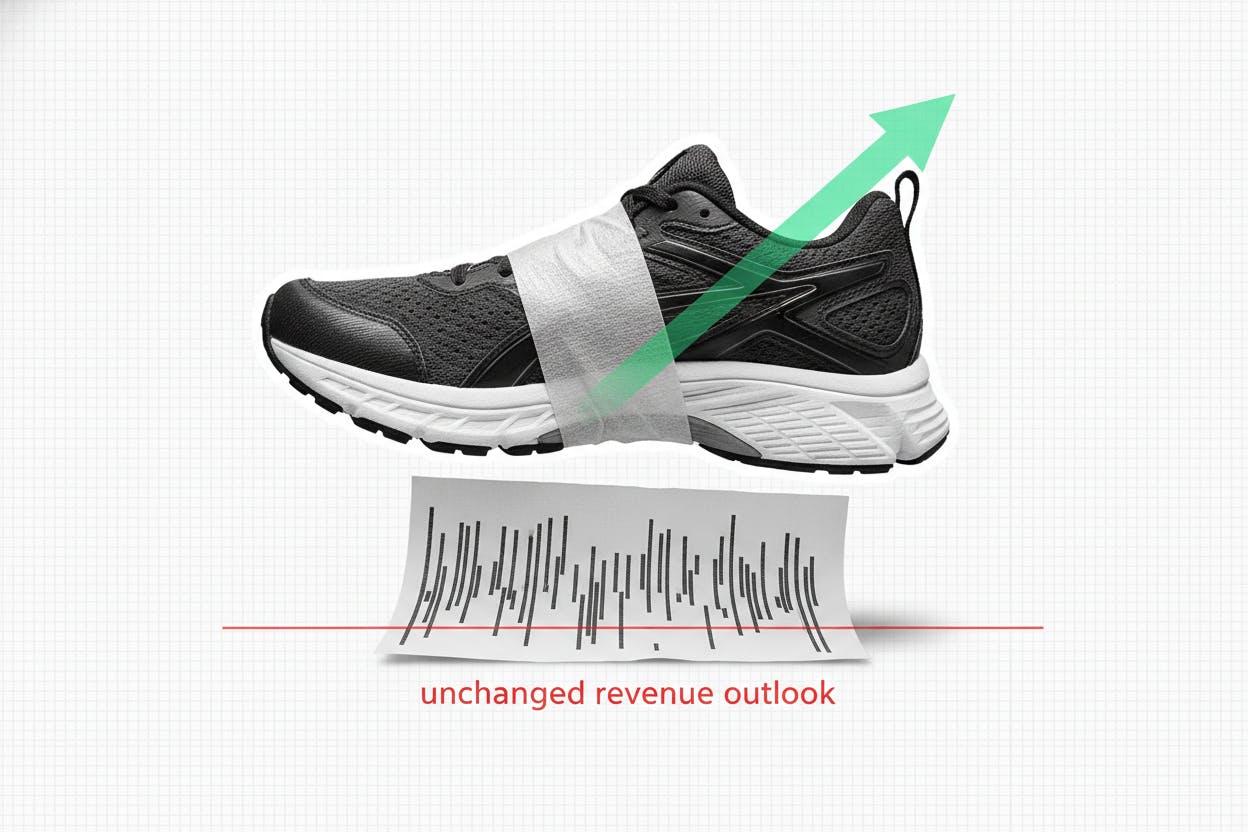
Deckers Outdoor, the company behind popular footwear brands Hoka and UGG, raised its full-year profit forecast after a solid quarter, but the stock still slipped 4% in after-hours trading. The reason: the company left its revenue outlook unchanged, disappointing investors who were hoping for stronger sales growth.
What Happened
For the quarter ended June 30, Deckers reported earnings per share of 94 cents, beating analyst expectations. The company also nudged up its full-year earnings per share guidance, signaling confidence in its ability to generate profits. However, the revenue forecast remained steady, suggesting that sales growth may not accelerate as much as some had hoped.
The key driver of the profit improvement was a rise in direct-to-consumer sales, which increased 8.4% compared to the same period last year. Direct-to-consumer sales include purchases made through Deckers' own websites and retail stores, rather than through third-party retailers like department stores or online marketplaces. These sales typically carry higher profit margins because the company avoids the fees and discounts associated with wholesale channels.
Why Investors Are Picky
The market reaction highlights how investors scrutinize consumer brands for signs of sustainable growth. While higher profits are welcome, they can come from one-time factors like cost-cutting or favorable currency moves. Sales growth, on the other hand, is seen as a more reliable indicator of brand strength and future performance.
Deckers' decision to hold its revenue forecast steady suggests that management sees limited upside to sales in the near term, even as profit margins improve. For investors, this raises questions about whether the company can maintain its momentum in a competitive footwear market.
Hoka, known for its chunky running shoes, has been a standout performer in recent years, driving much of Deckers' growth. UGG, famous for its sheepskin boots, remains a seasonal favorite but faces challenges from changing fashion trends and competition. The direct-to-consumer channel has been a bright spot, but it may not be enough to offset slower overall revenue growth.
What It Means for Investors
For everyday investors, the Deckers story is a reminder that earnings beats don't always translate into stock gains. The market often looks beyond the headline numbers to assess the quality and sustainability of growth. In this case, the steady revenue forecast overshadowed the profit upgrade, leading to a sell-off.
Investors should also consider the broader context. Consumer spending has been resilient, but there are signs of caution among shoppers, particularly for discretionary items like footwear. Companies like Colgate-Palmolive have reported steady sales growth, but others in the retail space have faced headwinds from inflation and shifting consumer preferences.
Deckers' direct-to-consumer strategy is a positive, as it builds brand loyalty and improves margins. However, the company still relies heavily on wholesale partners, which can be less predictable. Investors will watch for updates on how Deckers plans to expand its direct sales channel and whether it can maintain the momentum of its Hoka brand.
Looking Ahead
The next key catalyst for Deckers will be its holiday quarter, which typically accounts for a large portion of annual sales. UGG boots are a popular gift item, and Hoka continues to gain traction with runners and casual wearers. If the company can deliver stronger-than-expected sales during that period, it could reassure investors and lift the stock.
For now, the market is taking a wait-and-see approach. The profit outlook is encouraging, but without a corresponding boost in revenue guidance, the stock may remain under pressure. Investors should monitor upcoming earnings reports and any changes to the company's sales forecasts for signs of a turnaround.
In the broader market, similar dynamics have played out with other consumer brands. Harley-Davidson recently lifted its sales forecast despite a profit drop, showing that sales growth can sometimes outweigh profit concerns. Conversely, Deckers' situation underscores that profit improvements alone may not be enough to satisfy investors.
As always, investors should focus on the fundamentals: brand strength, market share, and the ability to generate consistent revenue growth. Deckers has strong brands and a solid direct-to-consumer business, but the market wants to see that translate into higher sales, not just higher profits.