Delta Air Lines is set to report second-quarter earnings on Friday, and while Wall Street expects a modest beat, the real story for investors will be what the carrier says about the rest of 2025 and into 2026. Rising jet fuel costs are clouding the outlook, and one major bank has already trimmed its longer-term profit expectations.
What UBS Expects
In a research note Wednesday, UBS said it expects Delta to post earnings per share slightly above its own guidance range of $1.00 to $1.50 for the second quarter. That would be a positive headline, but the bank warned that a small beat may not matter much if the company's forward guidance disappoints.
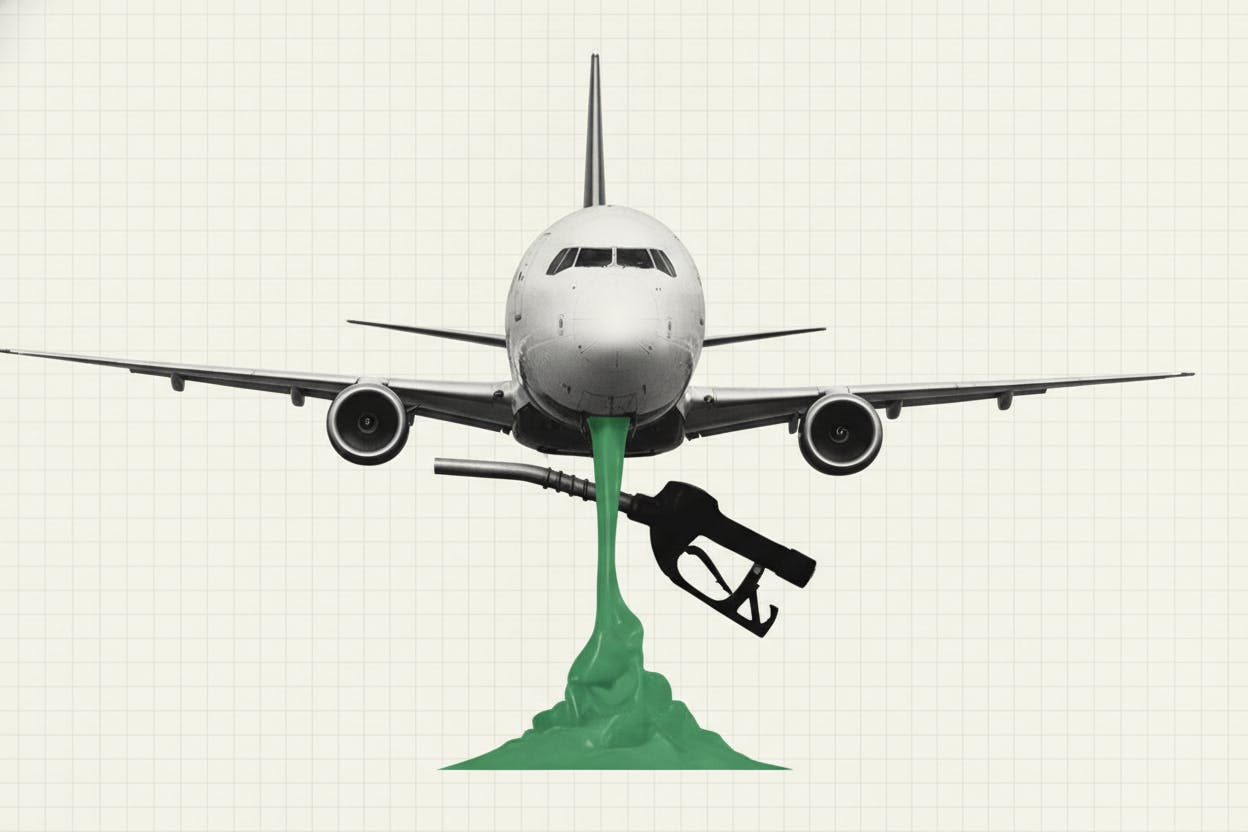
Airlines live and die by their outlooks, and fuel is one of their biggest and most volatile expenses. If oil prices stay elevated, Delta may build more conservative fuel assumptions into its third- and fourth-quarter forecasts. That can quickly pull down profit projections for the rest of the year.
UBS also lowered what it sees as the market's "good enough" target for fiscal 2026 earnings per share to $6 to $7, down from Delta's earlier view of $6.50 to $7.50. That revision matters because investors often price airline stocks based on those longer-range numbers, not just the next quarter's result.
Why Fuel Costs Are the Wild Card
Jet fuel prices have climbed in recent months, partly due to geopolitical tensions in the Middle East. Gulf stocks slid recently as Strait of Hormuz tensions pushed oil above $76, a reminder of how quickly energy markets can shift. For Delta, higher fuel costs hit margins directly, and airlines cannot hedge perfectly against price swings.
Raising fares to cover those costs is an option, but it risks denting demand if travelers push back. That balancing act is why fuel is such a tricky swing factor for the industry. If Delta signals that it expects fuel to remain a headwind, analysts will likely cut their earnings estimates further.
What It Means for Investors
Guidance can move a stock more than a headline earnings beat, especially when the market is already focused on what a company might earn one or two years out. If analysts lower their 2026 earnings forecasts, valuations often reset through the forward price-to-earnings ratio — essentially, how much investors are willing to pay for each dollar of expected profit.
Delta's stock currently trades near $85.99. With UBS's revised 2026 EPS range of $6 to $7, the forward P/E would be roughly 12 to 14 times earnings. That is not extreme for an airline, but it leaves little room for error if fuel costs keep rising or if the economy slows.
Investors should also watch for any commentary on travel demand. The broader earnings season is underway, and earnings season could broaden the S&P 500 rally beyond big tech, but airlines remain sensitive to consumer spending trends. If Delta sees softening in leisure or business travel, that would be another red flag.
The Bottom Line
Friday's reaction to Delta's report is likely to depend less on whether Q2 lands a bit above $1.50 and more on whether the company's 2026 profit path still looks like $6 to $7, or something lower. Fuel is the key variable, and Delta's ability to manage it will determine whether the stock holds its ground or faces a reset.
For everyday investors, the takeaway is simple: earnings beats are nice, but guidance is what moves markets. Keep an eye on Delta's fuel assumptions and its longer-term outlook — those will tell you more about the stock's direction than a one-quarter surprise.