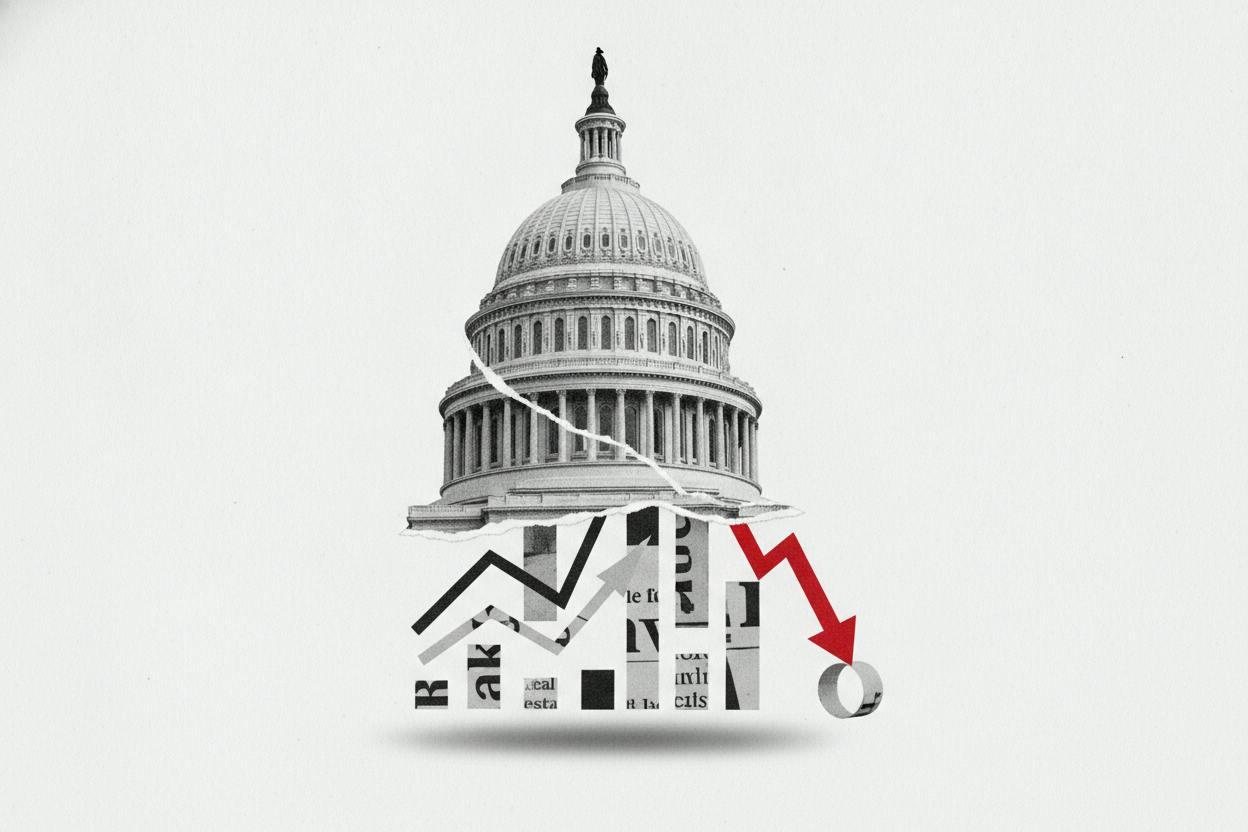
US financial and real estate stocks led a broad market rally on Wednesday as investors cheered the Democrats' midterm sweep, which many see as reducing the risk of disruptive policy changes. The gains came despite a sharp drop in payments technology firm Fidelity National Information Services (FIS), which tumbled 24% after cutting its 2026 outlook and announcing a CFO departure.
Why the rally?
The Democratic sweep—capturing the White House and both chambers of Congress—removes much of the political uncertainty that had weighed on markets. For financial stocks, the result is widely viewed as a positive: a unified Democratic government is expected to pursue more predictable regulatory and fiscal policies, which could support economic growth and lending activity.
Banks, in particular, tend to benefit from a clearer policy environment. With the election over, investors are betting that the new administration will focus on infrastructure spending and other measures that could stimulate the economy, boosting demand for loans and improving credit conditions. Real estate stocks also rallied, as expectations of continued government support for housing and commercial property helped lift sentiment.
The broader market also rose, with the S&P 500 and other major indices posting gains. The move was part of a global trend, as European stocks hit a two-month high on the same news, and US stocks rallied on the sweep as gridlock fears eased.
FIS's steep decline
While the financial sector broadly advanced, FIS was a notable exception. The company, which provides payment processing and financial services technology, saw its shares plunge after it slashed its 2026 earnings forecast and announced that its chief financial officer would step down.
The dual blows spooked investors, who worried that the company's growth prospects are weakening and that leadership instability could hamper its turnaround efforts. FIS has been grappling with competitive pressures and a shift in client demand, and the lowered guidance suggests those challenges are proving more severe than previously expected.
For everyday investors, the drop is a reminder that even in a rising market, individual stocks can suffer sharp losses on company-specific news. Diversification across sectors and companies remains a key way to manage such risks.
What it means for investors
The Democratic sweep is likely to have broad implications for financial markets. For bank and real estate investors, the immediate reaction has been positive, as the prospect of stable policy and potential fiscal stimulus supports earnings growth. Mid-cap banks, in particular, have gained favor as repricing promises more durable earnings.
However, not all sectors are celebrating. The sweep could also lead to increased regulation and higher taxes for some industries, which may weigh on certain stocks. Democrats' midterm sweep sets up potential roadblocks for AI data centers, for example, as policymakers may scrutinize energy use and antitrust issues.
For the average investor, the key takeaway is that political events can move markets, but the effects are often nuanced. While financial stocks may benefit in the short term, longer-term performance will depend on actual policy implementation and economic data. It's wise to stay focused on your investment goals and avoid making drastic changes based on a single day's market reaction.
As always, keep an eye on upcoming earnings reports and economic indicators to gauge whether the rally has staying power. The market's reaction to the election is just one piece of the puzzle.