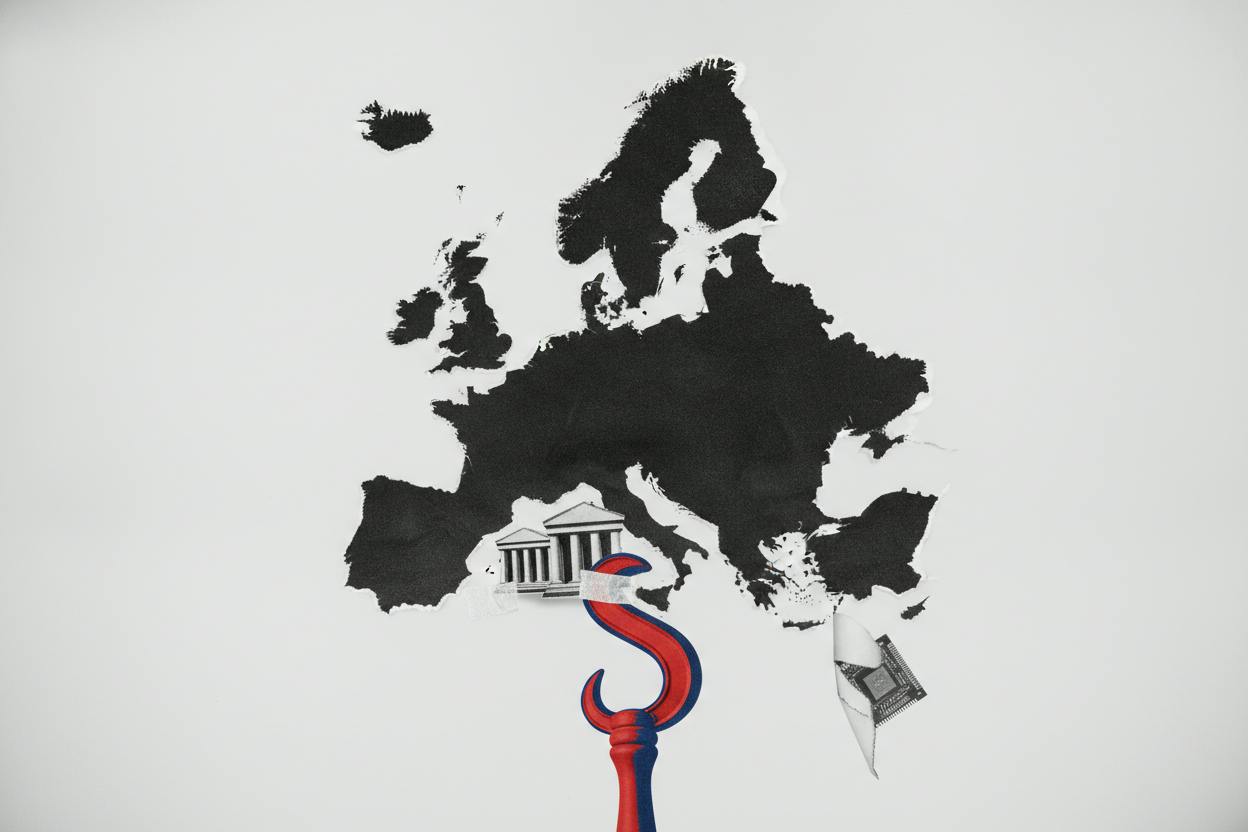
European stocks climbed on Tuesday, with the STOXX 600 index reaching its highest level in more than two months, as US election results pointed to Democrats taking control of Congress. The move marked a sharp reversal from a cautious start to the session, as investors grew more confident that the new political landscape would limit aggressive policy changes from the US administration.
The so-called “risk-on” shift was most visible in the financial sector. The Euro STOXX Banks index jumped 4.6%, and Spain’s bank-heavy market led regional gains. Banks are often among the biggest beneficiaries when political uncertainty fades, because their profits are closely tied to the health of the economy and the stability of regulations.
Why banks led the rally
For everyday investors, the big one-day move in bank stocks is less about loan demand and more about what analysts call “rule risk.” Banks operate under strict capital requirements and face the possibility of sudden regulatory changes, such as new sanctions or higher capital buffers. These are low-probability events, but they can have a large impact on a bank’s profitability if they occur.
Michael Field, an analyst at Morningstar, an investment research firm, noted that a Democrat-controlled Congress could make it harder to impose new requirements or sanctions on European banks operating in the US. In plain terms, fewer surprise rule changes means fewer unexpected costs or forced balance-sheet adjustments, which can weigh on profits.
When that tail risk feels lower, the sector can reprice quickly. Banks with meaningful US exposure may hold up better than more rate-sensitive areas when headlines, rather than fundamentals, are driving sentiment. That dynamic helps explain why the Euro STOXX Banks index jumped 4.6% in a single session.
Tech slips on AI oversight worries
Not all sectors shared in the gains. European technology stocks slipped as investors weighed whether Democrats would push for stricter rules around artificial intelligence. Some chip and automation-related stocks fell sharply, reflecting concerns that tougher oversight could slow innovation or raise compliance costs for companies in the AI supply chain.
This stands in contrast to the broader market mood, where the prospect of a Democratic Congress was seen as reducing the likelihood of abrupt policy shifts. For tech investors, the worry is that Democrats may be more inclined to regulate AI, which could affect everything from data privacy to the way algorithms are deployed.
Still, the tech pullback was relatively contained, and the overall market moved higher. The STOXX 600’s advance to a two-month high suggests that investors are focusing on the potential for more predictable policy, rather than the specific risks to any one sector.
Other movers: Novo Nordisk and clean energy
Elsewhere, Novo Nordisk rose after the Danish drugmaker raised its forecasts again, a sign of continued strength in its diabetes and obesity treatments. Clean-energy names also gained, likely benefiting from the expectation that a Democratic Congress would be more supportive of climate-related policies.
These moves highlight that while the election outcome is a major driver, individual company news still matters. For investors, it’s a reminder to look beyond the headline index moves and consider how different sectors and companies are affected by both political and business developments.
What it means for investors
For the average investor, the key takeaway is that political events can have a direct impact on stock prices, especially in sectors like banking and technology. The reaction in European markets shows how quickly sentiment can shift when the political outlook becomes clearer.
If you hold European stocks or funds, the recent rally may be a sign that markets are pricing in a more stable regulatory environment. But it’s also worth remembering that one-day moves can be driven by headlines rather than fundamentals. Long-term investors should focus on the underlying health of companies and sectors, not just the latest political development.
For those watching the broader picture, the US election result is also likely to influence other markets. European stocks jumped 1.9% in a related move, and US stocks rose on the Democratic sweep, though not all companies benefited. The DAX jumped 2.38% as election clarity and strong earnings lifted German stocks, and Big Tech saw a relief rally on AI spending hopes.
As always, it’s important to keep a long-term perspective. Political events can cause short-term volatility, but the underlying drivers of investment returns—earnings growth, innovation, and economic expansion—tend to dominate over time.