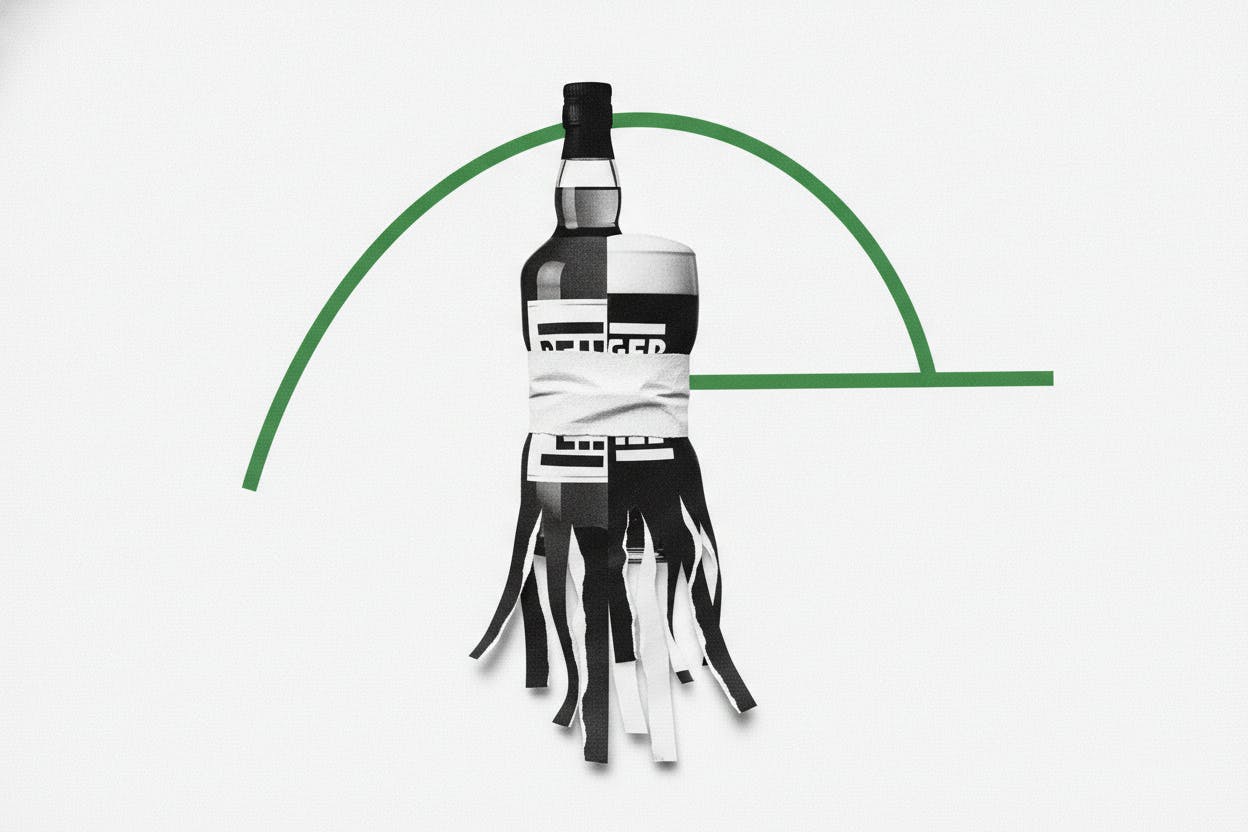
Diageo, the global spirits giant behind Johnnie Walker whisky and Guinness stout, has laid out a three-year plan to slash $1 billion in costs. The move comes as the company resets its expectations for growth after a challenging year, with organic sales falling 2% in the fiscal year ended June 30.
The London-based company now guides to low-single-digit organic sales growth through fiscal 2029, abandoning its previous medium-term target of 5% to 7% growth. To get there, Diageo will take about $1.2 billion in restructuring charges, funding a sweeping operational overhaul that includes supply-chain changes and other efficiency measures.
Why the reset?
Diageo's struggles reflect a broader slowdown in the spirits industry. During the pandemic, consumers stocked up on premium alcohol, driving a boom in sales. But as lockdowns ended and inflation squeezed household budgets, demand cooled—especially in North America, Diageo's largest market. Bars and restaurants restocked less aggressively, and at-home consumption normalized.
The company's new guidance acknowledges that the era of rapid growth is over, at least for now. Instead of chasing high single-digit expansion, Diageo is focusing on protecting margins and generating steady, if modest, gains. The $1 billion in savings will come from streamlining operations, improving supply-chain efficiency, and other cost-cutting measures across its global footprint.
Restructuring charges of $1.2 billion will hit the books in the near term, but Diageo expects the savings to pay off over the next few years. For investors, this is a classic reset: take the pain now to build a leaner, more profitable business later.
What it means for investors
For everyday investors, Diageo's plan signals a shift in how the company will be judged. Instead of chasing aggressive growth, management is prioritizing cost discipline and steady returns. That could appeal to income-focused investors, as Diageo has a long history of paying dividends.
However, the lowered growth outlook is a reminder that even blue-chip consumer staples aren't immune to changing consumer habits. If you hold Diageo shares, or funds that include them, expect more modest earnings growth in the coming years. The restructuring charges will also weigh on near-term profits, though they are one-off costs.
Investors should watch how quickly the cost savings materialize and whether the company can stabilize sales in North America. Diageo's ability to hit its low-single-digit target will depend on consumer spending trends and its success in emerging markets, where demand for premium spirits is still growing.
Related: Diageo's exit from East African Breweries is another sign of its portfolio reshaping. The company is selling its stake in EABL to Asahi, a move that will free up cash and simplify its operations.
Broader context
Diageo isn't alone in facing a post-pandemic hangover. Many consumer goods companies that benefited from lockdown demand are now recalibrating. The spirits industry, in particular, is seeing softer volumes as younger consumers drink less and competition from craft brands and cannabis intensifies.
Still, Diageo's brands—including Tanqueray gin, Captain Morgan rum, and Baileys liqueur—remain powerful. The company's focus on premium products and its global distribution network give it a competitive edge. The cost-cutting plan is designed to preserve that edge while navigating a tougher market.
For a broader view of how markets are reacting to corporate earnings and economic signals, check our coverage of emerging market stocks and Uber's outlook.
Looking ahead
Diageo's new guidance runs through fiscal 2029, giving the company time to execute its plan. The next few quarters will be crucial as restructuring costs hit and investors gauge whether the savings are on track. If Diageo can deliver on its cost targets while maintaining its brands' appeal, the stock could reward patient shareholders.
But the lowered growth bar also means there's less room for error. Any further deterioration in consumer demand could force another reset. For now, Diageo is betting that a leaner cost base will help it weather the storm and emerge stronger when the spirits market recovers.