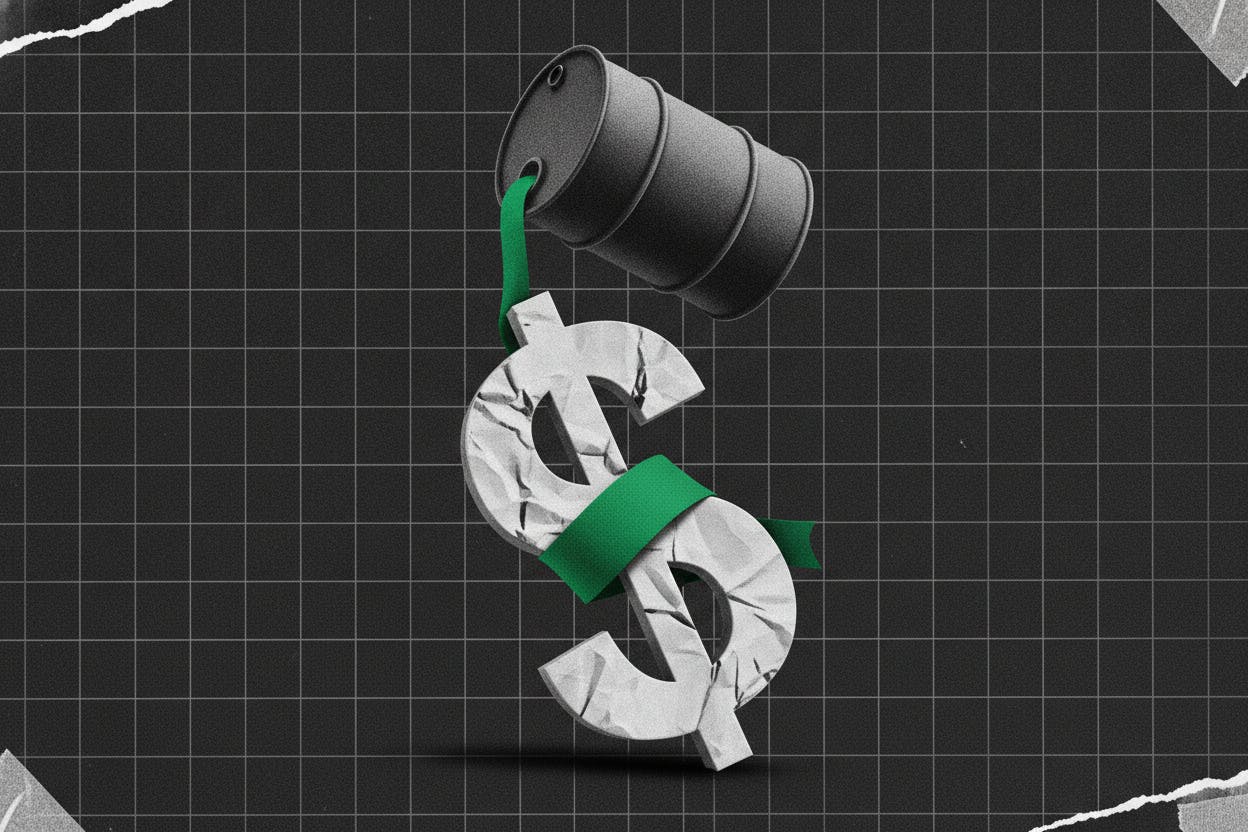
The U.S. dollar slipped on Wednesday after June's consumer price index (CPI) came in cooler than expected, but a sharp rise in oil prices above $85 a barrel—sparked by disruptions in the strategic Strait of Hormuz—prevented a full-blown risk-on rally and kept the specter of further Federal Reserve rate hikes alive.
The dollar index, which measures the greenback against a basket of six major currencies, fell 0.35% to 100.91, according to Reuters. The move came after the Labor Department reported that headline CPI rose just 0.2% in June, below the 0.3% economists had forecast. On a year-over-year basis, inflation slowed to 3.0% from 3.3% in May, its lowest reading in over a year.
Cooler inflation data fuels rate-cut hopes
The softer CPI print took some immediate pressure off the Federal Reserve, which has been wrestling with stubbornly high inflation for months. Markets quickly repriced the odds of a rate hike at the Fed's July meeting: CME Group's FedWatch tool showed the probability of a quarter-point increase dropping to 16%, down sharply from 42% just a day earlier.
Lower inflation data typically boosts expectations that the Fed can ease off its tightening cycle, which in turn weakens the dollar because lower interest rates make U.S. assets less attractive to foreign investors. That dynamic played out clearly on Wednesday, as the dollar index fell and Treasury yields also declined. For a deeper look at how bond markets reacted, see our coverage: Treasury Yields Fall as June Inflation Data Eases Rate Hike Fears.
The weaker dollar also gave a lift to other assets. Gold, which is priced in dollars and tends to rise when the greenback falls, rebounded sharply. Read more: Gold Rebounds Nearly 2% as June CPI Drop Sends Dollar and Yields Lower.
Oil spike adds a twist
Just as investors were celebrating the inflation relief, oil prices injected a dose of uncertainty. Brent crude, the global benchmark, jumped above $85 a barrel after reports of disruptions in the Strait of Hormuz, a narrow waterway between Iran and Oman through which about 20% of the world's oil passes. Any threat to shipping there can quickly push prices higher, as traders price in potential supply shortages.
Higher oil prices are a double-edged sword for the inflation outlook. While the June CPI report showed broad cooling, a sustained rise in energy costs could feed back into headline inflation in the months ahead. That would complicate the Fed's task: if oil stays above $85, the central bank may feel compelled to keep rates higher for longer, even if core inflation is moderating.
This tension was evident in currency markets. The dollar's decline was limited compared to what might have been expected from a pure inflation miss, because the oil spike kept rate-hike talk alive. Traders are now watching to see whether the Strait of Hormuz situation escalates or eases in the coming days.
What it means for everyday investors
For ordinary investors, the key takeaway is that the path for interest rates remains uncertain. The cooler CPI data is a positive sign—it suggests the Fed's aggressive rate hikes over the past year are finally working to tame inflation. That could eventually lead to lower borrowing costs for mortgages, car loans, and credit cards.
But the oil price jump is a reminder that the global economy is still vulnerable to supply shocks. Energy stocks often benefit from higher crude prices, while sectors like airlines and transportation may face headwinds. A weaker dollar can also boost the returns of U.S. investors holding foreign stocks or international mutual funds, since those assets become worth more in dollar terms.
For a broader view of how markets are reacting, check out: US Inflation Cools More Than Expected in June, Setting Up Choppy Market Open.
Investors should also keep an eye on the Fed's next moves. With the July meeting odds now low, all attention shifts to the September meeting. If oil prices retreat and inflation continues to cool, the case for a rate cut later this year could strengthen. But if oil stays elevated, the Fed may hold steady, keeping the dollar supported and risk assets under pressure.
In short, Wednesday's data offered a welcome dose of good news on inflation, but the oil market added a new variable that could keep the Fed—and investors—on edge for weeks to come.



