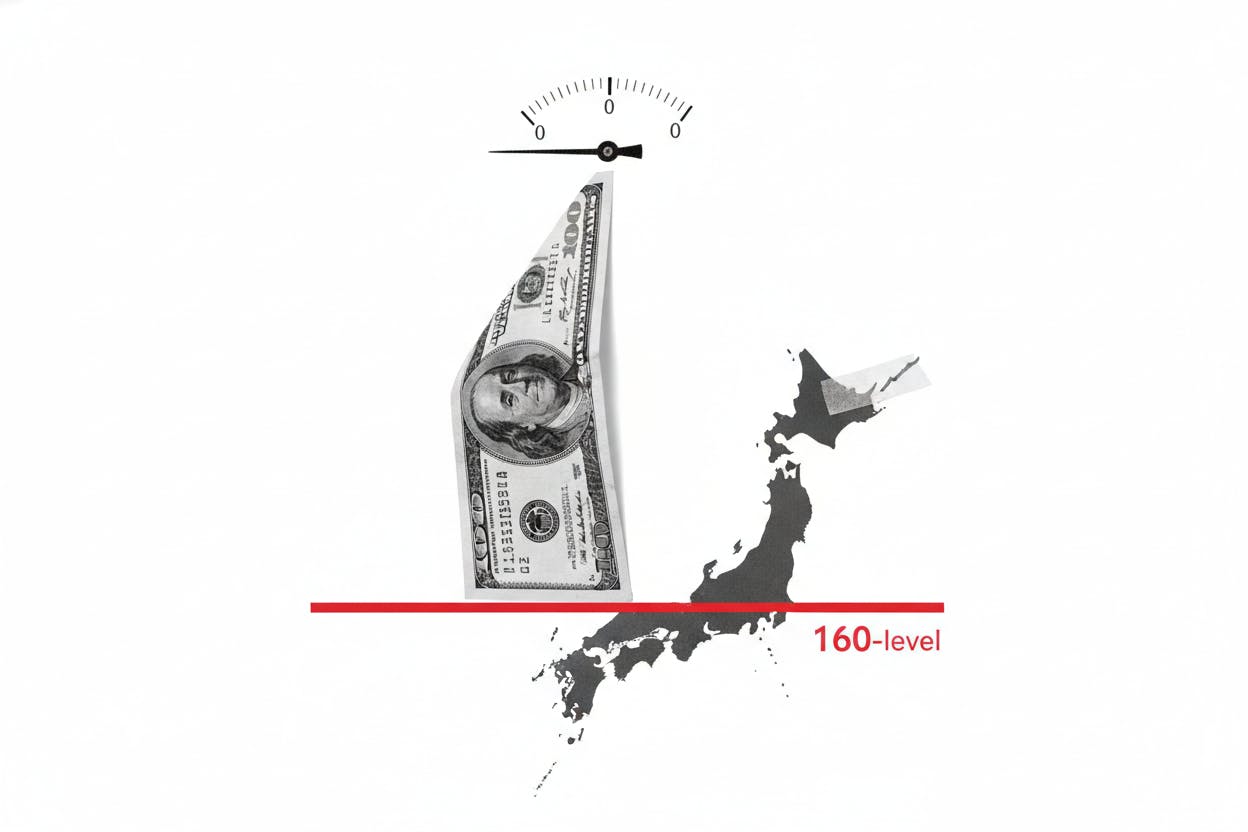
The US dollar edged higher on Tuesday morning as currency traders braced for a busy stretch of economic data and a series of major central bank meetings later this month. The greenback gained ground against the euro and the British pound, while the dollar-yen pair ticked up to 160.1261, reflecting a market in "wait for the numbers" mode.
What's driving the move?
Currency markets often trade sideways or in tight ranges ahead of significant data releases, as investors avoid taking big positions until they see the numbers. That's exactly what happened Tuesday, with the dollar firming modestly as traders positioned for two key US reports due at 10:00 am ET: the August ISM manufacturing survey and July job openings data.
The ISM manufacturing index is a widely watched gauge of factory activity, and it gives clues about the health of the industrial sector. Job openings, meanwhile, are part of the monthly Job Openings and Labor Turnover Survey (JOLTS), which the Federal Reserve and investors use to assess labor market tightness. Together, these reports can influence expectations for interest rates, and rates are the single biggest driver of currency values.
When a country's interest rates rise or are expected to rise, its currency tends to strengthen because higher rates attract foreign capital seeking better returns. Conversely, if data suggests the economy is slowing and rate cuts are coming, the currency often weakens. That's why these releases matter so much to the dollar.
A packed month for central banks
Beyond the US data, traders are also looking ahead to a cluster of central bank meetings scheduled for later this month. The European Central Bank (ECB), the Bank of England (BoE), the Bank of Japan (BoJ), and the Bank of Canada (BoC) all have policy decisions on the calendar. Each of these meetings could shift currency markets, as investors try to anticipate how each central bank will adjust interest rates relative to the Fed.
For example, if the ECB signals a more hawkish stance—meaning it's more likely to raise rates or keep them high—the euro could strengthen against the dollar. Similarly, the BoJ's decisions are closely watched because Japan has maintained ultra-low interest rates for years, making the yen a popular funding currency for carry trades. Any hint of a policy shift in Tokyo can cause significant moves in the yen and, by extension, the dollar-yen pair.
The dollar's recent moves come amid a broader backdrop of uncertainty about the Federal Reserve's next steps. While the Fed has signaled it may pause its rate-hiking cycle, some officials have hinted that further hikes are possible if inflation remains sticky. This uncertainty has kept currency markets on edge, as investors try to gauge whether the US economy is heading for a soft landing or a sharper slowdown.
What it means for investors
For everyday investors, currency movements might seem distant, but they can have real effects on portfolios. A stronger dollar can be a headwind for US multinational companies, as it makes their overseas earnings worth less when converted back to dollars. It can also weigh on commodities like gold and oil, which are priced in dollars and become more expensive for foreign buyers when the dollar rises.
On the other hand, a stronger dollar can benefit US consumers by making imported goods cheaper and reducing the cost of foreign travel. For investors holding international stocks or funds, a rising dollar can reduce returns when those investments are translated back into US currency.
The upcoming data and central bank meetings could set the tone for the dollar in the coming weeks. If US data comes in strong, it could reinforce expectations that the Fed will keep rates higher for longer, potentially boosting the dollar further. Conversely, weak data could revive bets on rate cuts, putting downward pressure on the greenback.
Investors should also keep an eye on how these dynamics play out in other markets. For instance, the dollar's recent slip ahead of the August jobs report highlights how sensitive currencies are to labor market data. Similarly, a busy week for markets often includes currency moves driven by geopolitical and economic headlines.
In the broader picture, the dollar's strength or weakness can influence everything from emerging market currencies to global trade flows. For example, Asian currencies have slipped when traders bet on another Fed hike, showing how interconnected global markets are. And the yuan's stability often depends on exporter behavior and Fed policy expectations.
Looking ahead
As the day progresses, traders will be watching the ISM and JOLTS releases closely. Any surprise in either report could trigger immediate moves in the dollar and other currencies. Later this month, the central bank meetings will provide more clarity on the global interest rate outlook, which will likely drive currency trends into the autumn.
For now, the dollar's modest gains reflect a market that is cautious but not overly confident. With so much data and so many policy decisions on the horizon, volatility could pick up at any moment. Investors would do well to stay informed and consider how currency swings might affect their portfolios, especially if they hold international assets or plan to travel abroad.



