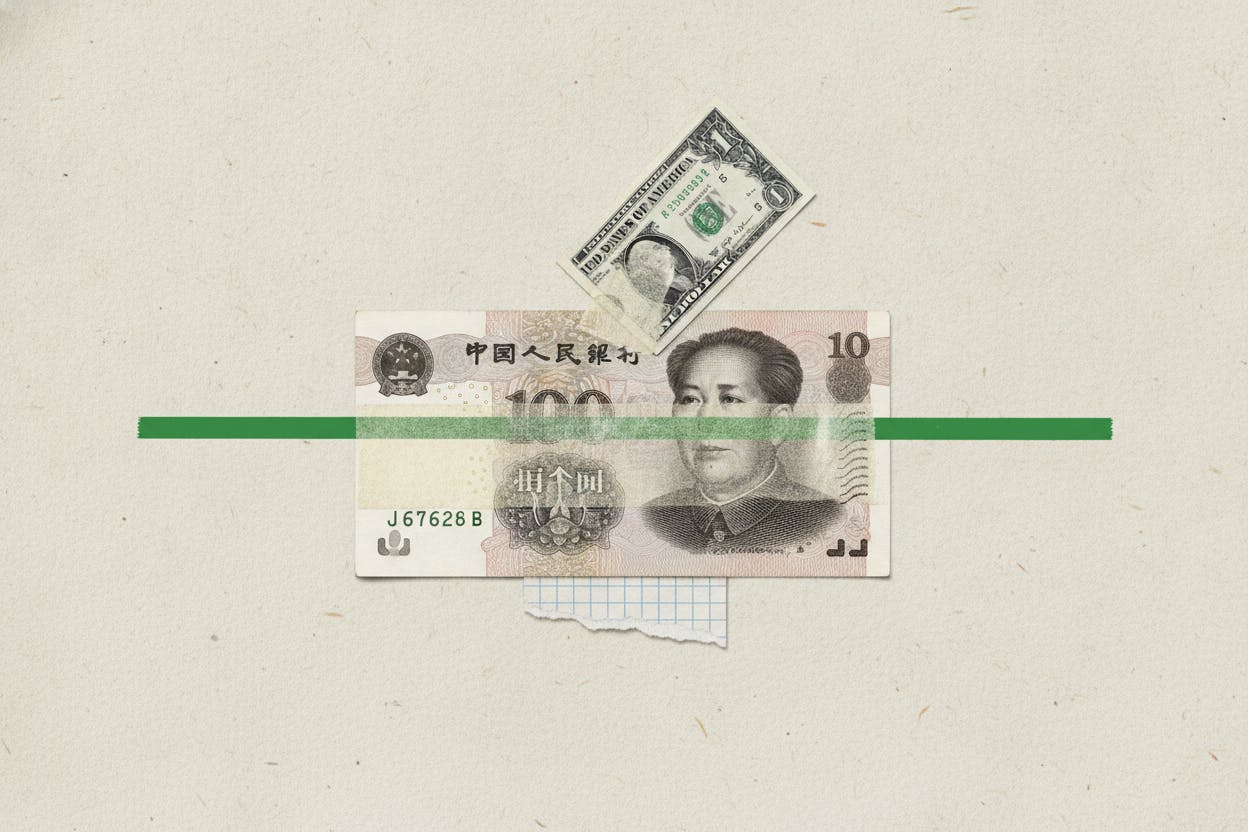
China's yuan showed remarkable resilience this week, holding firm even as the US dollar rebounded from a recent dip. The currency's stability came as exporters took advantage of the dollar's bounce to convert their dollar-denominated receipts into yuan, according to analysts.
The People's Bank of China (PBOC) also played a role by keeping its daily midpoint—the official guide for where the onshore yuan should trade—largely unchanged at 6.7828 per dollar. This steady hand from the central bank signaled a desire to maintain stability in the currency market, even as global currency movements turned more volatile.
How China's currency system works
Unlike many major currencies that float freely on global markets, China's yuan operates under a managed float system. Each trading day, the PBOC sets a 'fix' or midpoint, which acts as a reference point for the currency's value. The onshore yuan is then allowed to trade within a band—typically 2% above or below that fix.
This system gives Beijing significant control over the currency's value, allowing it to smooth out sharp swings and guide the yuan in a direction that supports the country's economic goals. For investors, the fix is a key signal of the central bank's intentions. A steady fix, as seen this week, suggests policymakers are comfortable with the current level and want to avoid abrupt moves.
Spot trading for the yuan was hovering near 6.7200 per dollar, notably stronger than the fix. That gap indicates market participants were buying yuan, a sign of confidence in the Chinese economy or a response to the dollar's movements.
Why exporters matter
Exporters are major players in China's currency market. When they sell goods abroad, they earn dollars, which they typically convert into yuan to pay domestic costs. The timing of these conversions can influence the yuan's value.
When the dollar strengthens, exporters often rush to convert their dollar receipts into yuan, taking advantage of the more favorable exchange rate. This week, the dollar's bounce after a strong move late last week provided just such an opportunity. Analysts at Huatai Futures noted that exporters used the rebound to sell dollars, which helped support the yuan even as the greenback firmed globally.
This dynamic is a common pattern in currency markets: a stronger dollar often triggers a wave of selling by exporters, which can offset some of the dollar's gains. It's a natural hedge that helps keep the yuan from weakening too sharply.
What it means for investors
For everyday investors, the yuan's stability is a double-edged sword. On one hand, a steady currency reduces uncertainty for those with exposure to Chinese assets or who travel to China. On the other hand, it reflects the PBOC's active management, which can sometimes diverge from market forces.
If you hold US dollar assets, a firmer dollar relative to the yuan could boost the value of your holdings when converted. Conversely, if you're investing in Chinese stocks or bonds, a stable yuan is generally positive, as it reduces currency risk that could eat into returns.
The dollar's recent strength has been a theme across global markets, with the greenback holding near highs as investors digest signals from the Federal Reserve. Some Fed officials have warned of further rate hikes, which could keep the dollar bid. However, the yuan's resilience suggests that China's economic fundamentals and policy support are providing a counterweight.
Looking ahead, investors will be watching the PBOC's daily fixes for any shift in stance. A move to weaken the fix could signal concerns about export competitiveness, while a stronger fix might indicate confidence in the economy. Also on the radar are upcoming US economic data, such as jobless claims, which could influence the dollar's trajectory. Traders are also eyeing the Jackson Hole symposium for clues on Fed policy.
For now, the yuan's steadiness is a reminder that China's currency is not just a passive player in global markets—it's an actively managed tool that reflects both domestic priorities and external pressures. As the dollar continues to find its footing, the yuan's ability to hold firm will be a key story to watch.



