The US dollar steadied near a two-week high on Tuesday after Kevin Warsh, a former Federal Reserve governor, signaled that the central bank may need to tighten policy again to bring inflation under control. His comments, reported by Reuters, lifted the odds of a September rate hike to 57% and pushed the Japanese yen back past 160 per dollar.
Warsh's hawkish message
Speaking at an event, Warsh said the Fed will “have work to do” if it cannot become comfortable that inflation is heading back to the central bank's 2% target. That remark was widely interpreted as a warning that higher interest rates are still on the table, despite recent signs that price pressures are cooling.
Warsh, who was considered for the Fed chair role in 2017, has been a vocal advocate for prioritizing price stability. His comments echo the stance he took at Jackson Hole, where he reaffirmed the Fed's commitment to its inflation goal.
Market reaction
Traders responded by bidding up short-term US government bonds, sending the two-year Treasury yield to 4.33%. Higher yields typically support the dollar because they increase the return on dollar-denominated assets, making them more attractive to global investors.
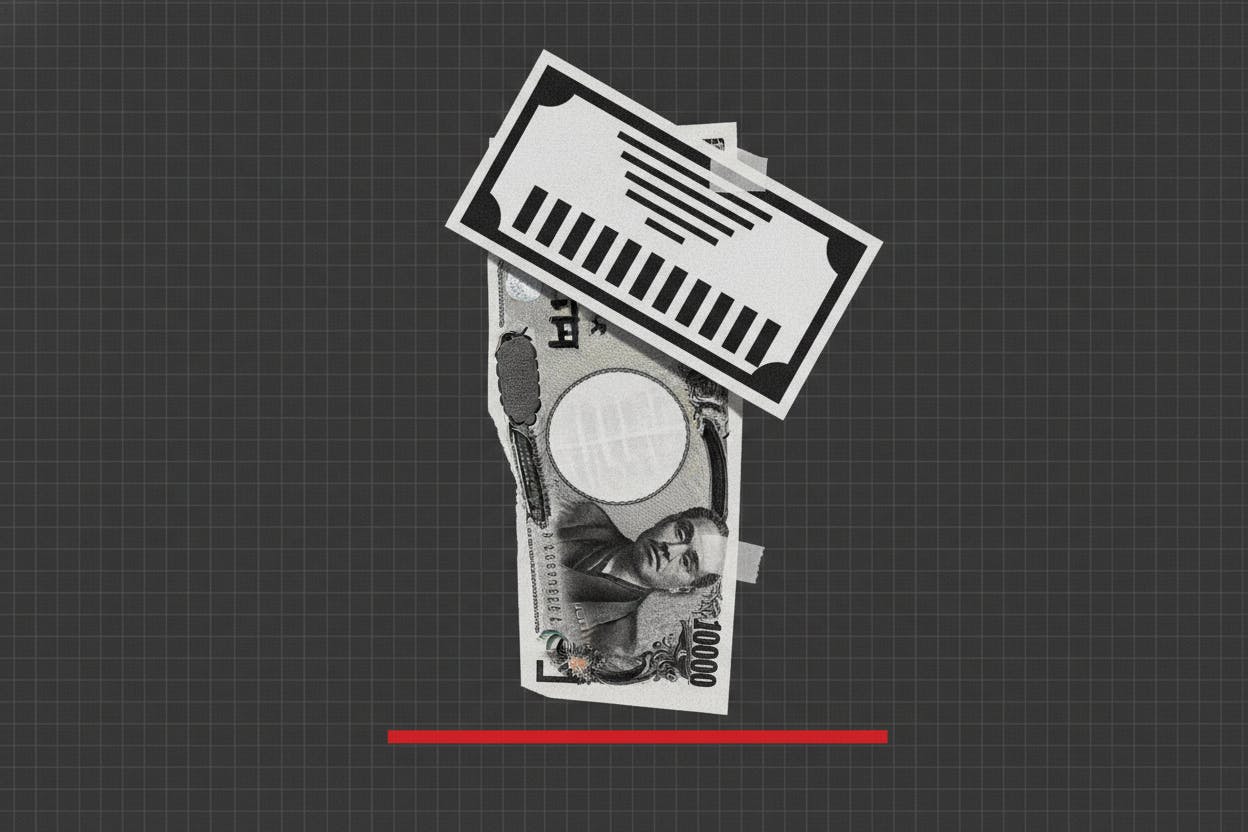
That dynamic was most visible in the dollar-yen pair, where the yen weakened past 160 per dollar for the first time in weeks. A weaker yen is a headache for Japanese policymakers, who have intervened in the past to support their currency, but it also reflects the wide gap between US and Japanese interest rates.
The dollar's strength also weighed on other assets. Gold slipped as traders priced in a more hawkish Fed, and Latin American markets felt pressure from a firmer greenback.
What it means for investors
For everyday investors, the key takeaway is that the Fed's fight against inflation is not over. Even as headline inflation has fallen from its peaks, Warsh's comments are a reminder that the central bank could still raise rates if price pressures prove sticky.
Higher rates have broad implications. They raise borrowing costs for mortgages, car loans, and credit cards, and they can weigh on stock valuations, especially for growth companies that rely on future earnings. On the flip side, they boost returns on savings accounts and short-term bonds.
The 57% probability of a September hike, as implied by futures markets, is a significant shift from just a few weeks ago when traders saw a cut as more likely. This repricing has already moved markets, and more volatility is possible as investors digest upcoming economic data.
What to watch next
Investors will be closely watching inflation reports and Fed speeches in the coming weeks for clues about the central bank's next move. If inflation surprises to the upside, the odds of a hike could rise further, potentially pushing the dollar even higher and putting more pressure on the yen and other currencies.
Conversely, if inflation cools more than expected, the case for a hike would weaken, and the dollar could give back some of its recent gains. For now, the market is bracing for a Fed that remains vigilant, and that means rate-sensitive assets could stay under pressure.
As always, it's wise to keep a diversified portfolio and avoid making sudden moves based on short-term market swings. The Fed's path is uncertain, and that uncertainty is likely to persist for some time.