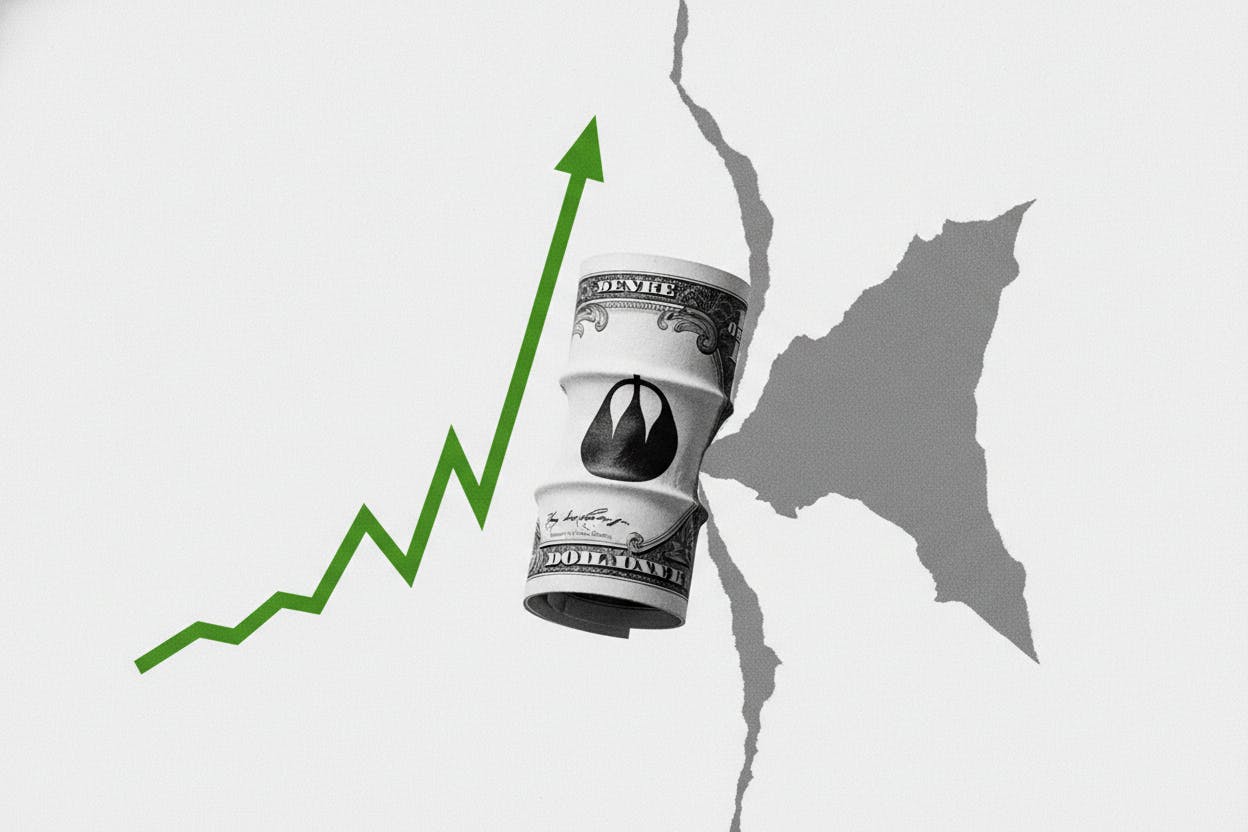
The US dollar strengthened to its highest level in two weeks on Monday, as escalating Middle East tensions pushed oil prices higher and drove investors toward the safety of the greenback. The dollar index, which measures the currency against a basket of major peers, rose to its strongest since August 17, according to the latest data.
The move comes as traders weigh the risk that fighting involving the US and Iran could disrupt energy flows through key shipping routes. When oil prices jump, the dollar often benefits because the US is a major energy producer and less reliant on imports, while countries like Japan and those in Europe, which depend heavily on imported energy, feel the squeeze more directly.
Why the dollar is gaining
The dollar's rise is not just about oil. Investors are also looking at the diverging paths of the Federal Reserve and the European Central Bank. The Fed has signaled it may keep interest rates higher for longer to combat inflation, while the ECB faces a more fragile economic outlook in the eurozone. That gap in policy expectations makes dollar-denominated assets more attractive, supporting the currency.
This dynamic showed up in currency markets: the euro slipped toward a multi-day low against the dollar. A weaker euro can be a double-edged sword for European investors—it makes exports cheaper, but it also raises the cost of imported energy and goods, adding to inflationary pressures.
Meanwhile, oil prices and Treasury yields have been rising on the same geopolitical worries, reinforcing the dollar's appeal. Higher yields on US government bonds make the dollar more attractive to yield-seeking investors, and the greenback often acts as a safe haven during times of uncertainty.
What this means for investors
For everyday investors, a stronger dollar has ripple effects beyond currency trading. It can affect the returns on international investments, the price of imported goods, and even the earnings of multinational companies.
If you own US stocks, a stronger dollar can be a headwind for companies that earn a large share of revenue overseas, because their foreign profits are worth less when converted back into dollars. On the other hand, it can be a tailwind for domestic-focused companies and for US consumers, who may see lower prices on some imported goods.
For those with exposure to international markets, a stronger dollar means that foreign investments, when translated back into dollars, may be worth less. This is something to keep in mind if you hold international mutual funds or ETFs.
The risk of shipping disruptions in the Strait of Hormuz remains a key factor to watch. Any escalation could push oil prices higher and further support the dollar, while also raising inflation concerns globally.
Looking ahead
Investors will be watching for any new developments in the Middle East, as well as upcoming economic data and central bank commentary. The Fed's next policy meeting is on the horizon, and any hints about the future path of interest rates could move the dollar significantly.
In the meantime, the strength of the dollar is also weighing on commodities like copper and zinc, which are priced in dollars and become more expensive for foreign buyers when the greenback rises. This can affect mining stocks and emerging market economies that rely on commodity exports.
For now, the dollar's momentum reflects a combination of geopolitical risk, higher oil prices, and a hawkish Fed. Whether that trend continues will depend on how these factors evolve in the coming days.



